


Purchasing a home is a significant financial choice that calls for thorough preparation and a thorough comprehension of mortgage terms. I’ll go over the Important Questions to Ask Before Signing a Mortgage Agreement in this post, covering things like interest rates, lender requirements, penalties, repayment terms, and hidden costs.
These crucial inquiries can assist borrowers in preventing expensive errors, safeguarding their financial stability, and successfully making long-term homeownership decisions.
Introduction
One of the largest financial commitments most people ever make is signing a mortgage agreement. Borrowers should fully comprehend interest rates, hidden fees, repayment periods, and legal obligations before agreeing to any home loan agreements.
In order to prevent future financial stress, unforeseen expenses, and long-term repayment issues, I will go over the most important questions that every homebuyer should ask before signing a mortgage agreement.
Why is it Important to ask Questions before signing a Mortgage Agreement?
- Helps borrowers understand all mortgage terms and long-term repayment responsibilities clearly.
- Prevents hidden fees and unexpected financial charges after loan agreement approval.
- Clarifies interest rates, monthly payments, and future repayment structure changes properly.
- Reduces the risks of signing unfair legal clauses or restrictive mortgage conditions unknowingly.
- Helps borrowers compare lenders and choose the most affordable mortgage option available.
- Protects financial stability by identifying penalties, foreclosure rules, and refinancing limitations early.
- Improves budgeting by revealing complete housing costs beyond monthly mortgage installments alone.
- Prevents last-minute mortgage approval issues caused by credit or employment changes before closing.
- Encourages informed decision-making for safer and more confident long-term homeownership planning.
10 Top Questions To Ask Before Signing a Mortgage Deal
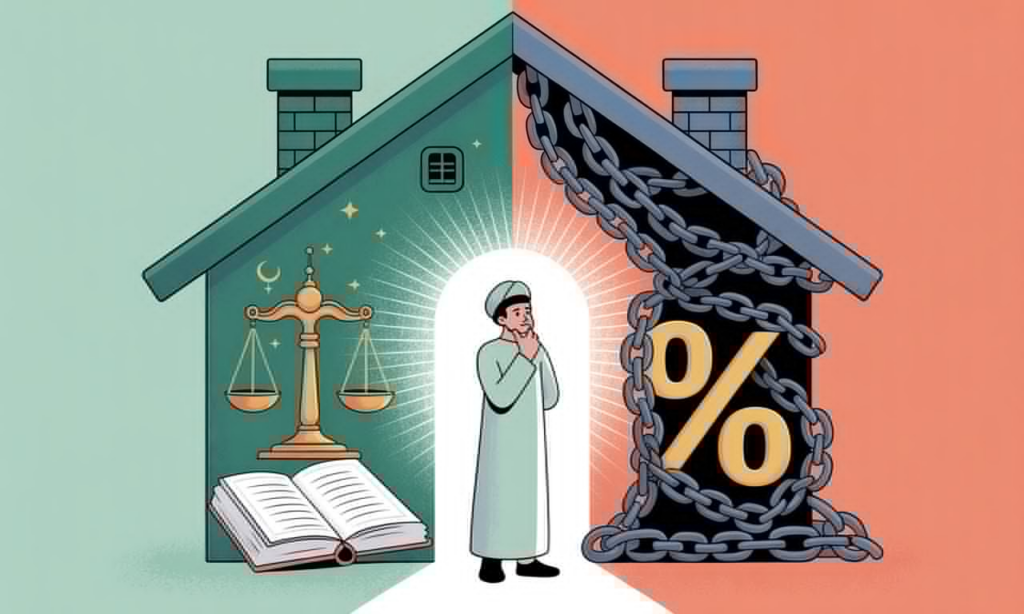
What is the loan’s Annual Percentage rate (APR)?
The APR represents the actual cost of the loan, whereas the interest rate sets your monthly principal and interest payment. Broker fees, points, and other closing costs are included in addition to the interest rate. You may more accurately determine which lender is genuinely providing a better bargain by comparing their annual percentage rates.
Is the interest rate fixed or adjustable?

Fixed-Rate: This type of loan offers predictability by keeping your interest rate constant for the duration of the loan.
Adjustable-Rate (ARM): Depending on market indices, your rate may initially be cheaper but will change over time. If it’s an ARM, you need to know what the maximum lifespan cap is and how frequently the rate can fluctuate.
Are there any prepayment penalties?
If you pay off your mortgage early, certain lenders will charge you a prepayment penalty. Lenders earn on the interest you pay over time; they lose out on that anticipated profit if you pay off the loan early by refinancing, additional monthly payments, or a sizable lump sum. They penalize your financial initiative in order to save their bottom line. Before signing a loan, always find out if there is a cost.
4. What are the total closing costs, and what do they include?
Two important documents will be sent to you before to closing: the Closing Disclosure (three days before signing) and the Loan Estimate (three days following application).
Although all expenses must be included here, some lenders include ambiguous “junk fees” such as processing or administrative expenditures. You have to go over these line by line.

Numerous closing expenses, including pest inspections, title insurance, and even some loan fees, can be negotiated or found at a lower price. Ask your lender to explain each line item before making a payment.
5. Will my monthly payment include taxes and insurance?
Your lender oversees an escrow account, which serves as a safety net. You pay a single monthly amount to cover your mortgage, property taxes, and homeowners’ insurance rather than paying them separately.
When those enormous expenses are due, the lender pays them on your behalf by depositing the tax and insurance components into this escrow account.
Your monthly mortgage payment will appear cheaper without escrow, but you will need to set aside money on your own for these high, one-time annual or semi-annual costs.
6. Is Private Mortgage Insurance (PMI) required, and when can I drop it?
Lenders typically need Private Mortgage Insurance (PMI) since a down payment of less than 20% on a home indicates a higher level of risk. In the event of a loan failure, this monthly fee safeguards the lender, not you.

PMI can significantly affect your budget by increasing your monthly payment by hundreds of dollars. You need to find out from your lender the exact amount and the particular milestone needed to get rid of it. Your home equity usually lowers automatically at 22% and you can seek cancellation once it hits 20%.
7. What is the lock-in period for my interest rate?
Lenders provide a rate lock because mortgage interest rates are subject to daily fluctuations based on market conditions. While your mortgage application is being completed, this agreement freezes your interest rate and loan points for a predetermined amount of time, usually 30, 45, or 60 days.
Before you close, it shields you from rising rates. You must inquire as to whether the lock is valid until your actual closing date, nevertheless. You may incur expensive extension fees or run the danger of paying a higher rate if your closure is delayed due to circumstances beyond your control.
8. What are the consequences of a late payment?

Life happens, and it’s critical to understand the boundaries.
- Is there a grace period, such as until the fifteenth of the month?
- What is the late fee?
- When are credit bureaus notified of the late payment?
9. Can this loan be transferred or sold to another servicer?
Soon after closing, lenders frequently sell your mortgage or give another business the servicing rights. The “servicer” oversees the day-to-day management of your loan, which includes handling your escrow account and collecting monthly payments.
Your point of contact will change, but the fundamental financial aspects of your loan, such as your interest rate and balance, won’t. It avoids a great deal of misunderstanding to know if this transfer is likely. During the transition phase, it guarantees that your checks are mailed to the correct organization and prevents unintentional late fees.
10. Under what circumstances could the loan fall through before closing?
Lenders have the right to postpone or cancel funding until the final paperwork is finished, even after mortgage approval. During the closing process, buyers should find out what circumstances could lead to a financial reevaluation.
Changing employment, applying for new credit cards, financing pricey furniture, missing payments, or rising debt levels are common warning indicators.

Creditworthiness and debt-to-income ratios may be impacted by these activities. Borrowers can prevent last-minute shocks that could undermine their intentions to become homeowners and postpone successful mortgage closing approvals by being aware of these hazards.
Conclusion
Asking the wrong questions before signing a mortgage deal can lead to major financial issues down the road. Borrowers can make safer and more informed decisions if they are aware of interest rates, repayment terms, fines, hidden costs, and lender conditions.
A thorough examination of each mortgage detail lowers unforeseen risks and safeguards long-term financial stability. Prior to signing, borrowers and their families will benefit from increased self-assurance, improved budgeting, and a more seamless homeownership experience.
FAQ
What should borrowers know about mortgage interest rates before signing?
Borrowers should understand whether rates are fixed or variable and how future payment changes may occur.
Are there hidden charges commonly included in mortgage agreements?
Yes, lenders may include processing fees, insurance costs, legal charges, valuation fees, and administrative expenses.
Can a lender cancel mortgage approval before the closing process finishes?
Yes, lenders may re-evaluate applications if borrowers change jobs or increase debt before final signing.
Why should borrowers ask about prepayment or foreclosure penalties?
These penalties can make early loan repayment or refinancing more expensive and financially restrictive later.
