


I’ll go over the best ways to invest in real estate without actually owning any property in this post, as well as how contemporary investors use creative investment techniques to generate passive income.
These options, which range from blockchain-based real estate and infrastructure trusts to REITs and crowdfunding platforms, offer investors flexible, affordable, and technologically advanced alternatives to traditional property ownership while assisting them in successfully achieving long-term financial growth and portfolio diversification.
Top 10 Ways To Invest In Real Estate Without Owning Physical Property
1. Real Estate Investment Trusts (REITs)
One of the simplest and most well-liked ways to participate in real estate markets without actually buying buildings is through Real Estate Investment Trusts.
Data centers, healthcare facilities, logistics warehouses, and AI-powered commercial spaces are among the industries that modern REIT platforms increasingly concentrate on.
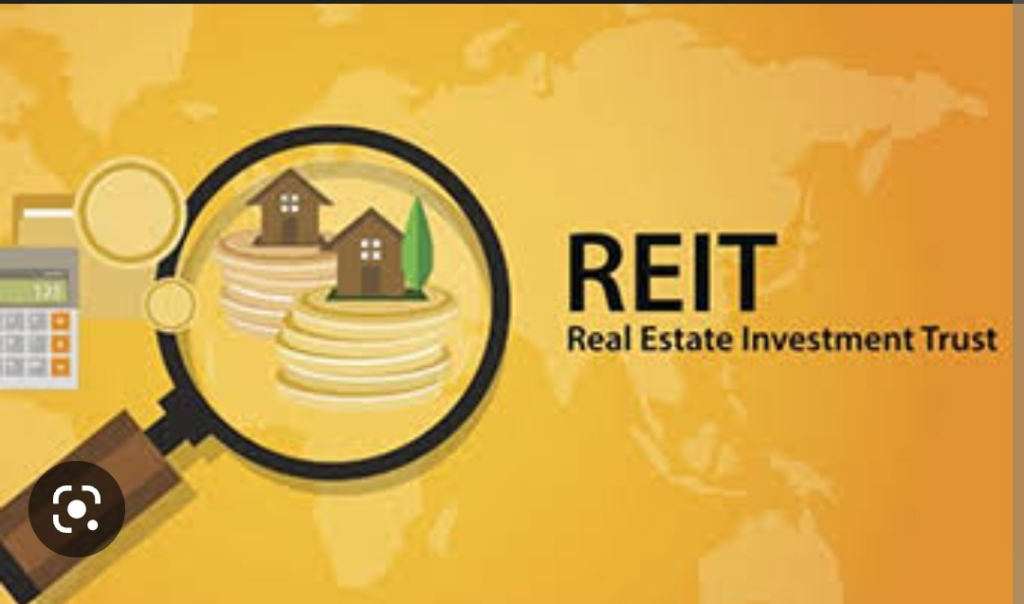
Because REITs maintain liquidity through stock exchanges and offer passive income through dividends, startups choose them. Global REITs are appealing to investors looking for long-term growth with less management responsibility and diverse real estate exposure since they employ innovative analytics to enhance property performance.
Real Estate Investment Trusts (REITs) Features
| Features | Details |
|---|---|
| Passive Dividend Income | Earn regular income through professionally managed real estate portfolios. |
| High Liquidity Access | Buy and sell REIT shares easily through stock exchanges globally. |
| Sector Diversification | Invest across healthcare, logistics, offices, apartments, and data centers. |
| Low Capital Requirement | Start investing without purchasing expensive physical commercial properties directly. |
| AI-Based Asset Optimization | Modern REITs use analytics improving operational efficiency and investor returns. |
2. Real Estate Crowdfunding Platforms
Crowdfunding platforms for real estate enable investors to make smaller contributions to large-scale residential or commercial developments. These days, new platforms provide fractional ownership options, AI-driven property analysis, and access to international investments for novices.

Crowdfunding is preferred by startups and young professionals since it provides access to quality developments without requiring large sums of money. Compared to traditional property ownership techniques, real estate investing is more flexible, transparent, and technologically advanced because investors can engage in luxury apartments, hotels, warehouses, and rental projects through digital platforms.
Real Estate Crowdfunding Platforms Features
| Features | Details |
|---|---|
| Fractional Property Ownership | Invest small amounts into premium commercial and residential developments globally. |
| Beginner-Friendly Investing | Platforms simplify access for first-time real estate market participants online. |
| Global Investment Opportunities | Access international projects without managing physical overseas properties personally. |
| Transparent Digital Platforms | Real-time dashboards provide investment performance and project tracking updates. |
| Flexible Portfolio Options | Diversify investments across apartments, hotels, offices, and tourism properties easily. |
3. Real Estate Mutual Funds
Several property-related assets are combined into expertly managed investment portfolios by real estate mutual funds. REITs, building firms, real estate developers, and commercial infrastructure corporations are frequently included in these funds.

Green building technologies and sustainable smart-city improvements are becoming more and more important to modern funds. Because expert fund managers control market risk, asset allocation, and research, startups choose this investing strategy.
Without having to deal with renters, upkeep, paperwork, or significant upfront costs associated with purchasing a property, investors are exposed to a variety of real estate markets.
Real Estate Mutual Funds Features
| Features | Details |
|---|---|
| Professionally Managed Portfolios | Experts handle research, asset allocation, and real estate market analysis. |
| Broad Market Diversification | Exposure includes developers, REITs, infrastructure, and property management companies. |
| Lower Investment Risk | Diversified holdings reduce dependency on individual property performance outcomes. |
| Sustainable Investment Focus | Modern funds increasingly support green buildings and smart-city developments worldwide. |
| Easy Entry For Investors | Start investing through simple mutual fund platforms with affordable contributions. |
4. Exchange-Traded Funds (ETFs) Focused On Real Estate
With a single stock market investment, real estate exchange-traded funds (ETFs) offer diversified exposure to several property sectors. Co-living facilities, smart commercial hubs, cloud infrastructure buildings, and industrial warehouses are among the top ETFs of today.

Because ETFs provide simple portfolio diversification, high liquidity, and cheaper fees, investors value them. In addition to technology stocks and cryptocurrency assets, startups and digital entrepreneurs are increasingly using real estate ETFs for flexible investing.
Without the difficulties associated with actual property ownership, this approach effectively strikes a balance between long-term capital appreciation and passive income potential.
Exchange-Traded Funds (ETFs) Focused On Real Estate Features
| Features | Details |
|---|---|
| Stock Market Flexibility | Trade real estate ETFs anytime during normal exchange market hours. |
| Low Expense Ratios | ETFs usually offer lower management fees compared to mutual funds. |
| Instant Diversification Benefits | Gain exposure across multiple property sectors using single ETF investments. |
| High Liquidity Advantages | Easily enter or exit positions without complex real estate paperwork. |
| Technology-Driven Sectors | Many ETFs now include smart infrastructure and digital property businesses. |
5. Real Estate Notes And Mortgage Investments
Instead of physically owning buildings, mortgage note investment enables investors to generate revenue by funding real estate loans. With automated payment tracking systems, contemporary fintech platforms make it easier to access investments backed by residential and commercial mortgages. Investors benefit from steady interest income without having to deal with complicated property management.

Because they offer exposure to real estate markets with less operational participation, many entrepreneurs are now investigating digital mortgage marketplaces. As private funding options and alternative lending continue to grow internationally, this approach has grown in appeal.
Real Estate Notes And Mortgage Investments Features
| Features | Details |
|---|---|
| Predictable Interest Income | Earn stable returns from residential and commercial property loan repayments. |
| No Property Management Stress | Avoid tenant issues, maintenance costs, and legal property complications entirely. |
| Digital Lending Platforms | Fintech systems simplify mortgage investment access and payment tracking services. |
| Portfolio Income Stability | Mortgage-backed investments often provide consistent cash-flow opportunities for investors. |
| Alternative Real Estate Exposure | Participate in property markets without owning physical buildings directly. |
6. Property Technology (PropTech) Companies
Through cutting-edge tech firms, investing in PropTech companies provides indirect exposure to the thriving real estate sector. Contemporary PropTech companies create digital rental platforms, smart-building automation, virtual property tours, and AI-driven property management solutions.

By assisting businesses that are revolutionizing conventional real estate operations, investors can benefit from growth prospects. PropTech investments are particularly valuable to startups because they mix consistent real estate demand with technological innovation.
PropTech companies continue to draw significant investment interest and long-term market potential as smart cities and automated buildings spread throughout the world.
Property Technology (PropTech) Companies Features
| Features | Details |
|---|---|
| AI-Powered Real Estate Solutions | PropTech firms automate property management and operational efficiency systems globally. |
| Smart Building Innovation | Companies develop advanced automation, security, and energy-saving infrastructure technologies. |
| Rapid Industry Growth Potential | Digital transformation continues increasing global PropTech market investment demand significantly. |
| Virtual Property Experiences | Modern platforms offer virtual tours and digital real estate transactions online. |
| Technology And Real Estate Blend | Combines stable property demand with high-growth technology investment opportunities effectively. |
7. Vacation Rental Investment Platforms
Investment platforms for vacation rentals allow people to profit from tourism properties without having to own whole houses. These platforms enable fractional investments in resort properties, luxury villas, and short-term rental apartments situated in well-known tourist locations.

AI-based pricing optimization, automated management services, and occupancy forecasts are increasingly integrated into modern platforms. While avoiding direct property responsibilities, investors profit from the growth of tourism. As demand for flexible lodging experiences rises globally due to remote work and digital travel lifestyles, this investment strategy has grown in favor.
Vacation Rental Investment Platforms Features
| Features | Details |
|---|---|
| Tourism Industry Exposure | Benefit from rising global travel and short-term accommodation demand trends. |
| Fractional Resort Investments | Own portions of villas, hotels, and vacation apartments affordably online. |
| Automated Property Management | Platforms manage bookings, maintenance, guest support, and operational activities automatically. |
| AI-Based Pricing Systems | Smart algorithms optimize rental pricing according to seasonal travel demand. |
| Remote Income Opportunities | Earn passive income without physically managing tourism rental properties personally. |
8. Real Estate Debt Funds
Real estate debt funds focus on financing construction projects, commercial developments, and property expansion ventures. Instead of owning buildings, investors earn returns from interest payments generated by funded projects.
Modern debt funds increasingly support sustainable infrastructure, smart commercial properties, and urban redevelopment initiatives. Startups and professionals prefer this strategy because it often provides more stable returns than direct property speculation.

Investors also avoid operational burdens like tenant management, maintenance expenses, and property taxation while still benefiting from real estate market growth.
Real Estate Debt Funds Features
| Features | Details |
|---|---|
| Interest-Based Investment Returns | Generate income from financing construction and property expansion projects globally. |
| Lower Operational Responsibility | Investors avoid direct ownership management and tenant-related property issues completely. |
| Infrastructure Development Exposure | Funds support commercial buildings, urban redevelopment, and smart infrastructure growth. |
| Stable Cash Flow Potential | Debt investments often provide more predictable returns than property speculation. |
| Diversified Lending Opportunities | Invest across multiple real estate financing projects through managed debt portfolios. |
9. Infrastructure Investment Trusts (InvITs)
Investors can engage in large-scale infrastructure assets such as telecom towers, electricity grids, highways, and transportation systems through Infrastructure Investment Trusts.
Through government-backed initiatives and long-term operating contracts, these assets produce consistent revenue. Due to the rapid rise of digital infrastructure and urbanization, modern InvITs are becoming more and more popular in emerging economies.

Compared to direct infrastructure ownership, investors value the steady cash flow possibilities and reduced entry obstacles. This investment strategy benefits from growing public and private infrastructure development projects while providing real estate-related exposure.
Infrastructure Investment Trusts (InvITs) Features
| Features | Details |
|---|---|
| Government-Backed Infrastructure Assets | Invest in highways, telecom towers, power grids, and transportation systems. |
| Long-Term Revenue Generation | Infrastructure projects produce recurring income through operational service contracts consistently. |
| Emerging Market Growth Potential | Urbanization and digital expansion increase infrastructure investment opportunities worldwide rapidly. |
| Lower Entry Investment Barriers | Participate in major infrastructure assets with smaller investment amounts easily. |
| Reliable Cash Flow Opportunities | InvITs often provide stable distributions for long-term passive income investors. |
10. Tokenized Real Estate And Blockchain Platforms
Blockchain technology is used by tokenized real estate platforms to separate property ownership into digital tokens that are accessible to investors all over the world. This contemporary investment paradigm reduces investment obstacles while increasing transparency, accessibility, and transaction efficiency.

Secure blockchain technologies allow investors to buy modest parts of upscale business buildings, hotels, or residential developments. Tokenized real estate is becoming more and more appealing to startups and tech-focused investors because it blends traditional property-backed assets with innovative decentralized finance. Global real estate investment opportunities are being reshaped by the increasing deployment of blockchain infrastructure.
Tokenized Real Estate And Blockchain Platforms Features
| Features | Details |
|---|---|
| Blockchain-Based Property Ownership | Digital tokens represent fractional ownership of premium global real estate assets. |
| Improved Investment Transparency | Blockchain technology enhances transaction security and ownership verification systems effectively. |
| Global Accessibility Advantages | Investors worldwide access premium real estate projects through online blockchain platforms. |
| Lower Investment Entry Costs | Fractional token ownership reduces traditional high-capital property investment barriers significantly. |
| Decentralized Finance Integration | Combines real estate investing with innovative cryptocurrency and DeFi ecosystems growth. |
Cocnsluion
In cocnsluion Modern financial platforms and digital technologies have made it easier, more intelligent, and more accessible to invest in real estate without actually owning a physical property.
Options for long-term portfolio growth and passive income include tokenized real estate, crowdfunding, ETFs, REITs, and PropTech businesses. These cutting-edge investing strategies enable investors to take advantage of the growing global real estate market and new technology-driven opportunities while having fewer management duties.
FAQ
What is the easiest way to invest in real estate without buying property?
REITs are considered the easiest option because investors can purchase shares through stock exchanges without handling physical properties directly.
Are real estate crowdfunding platforms safe for beginners?
Many regulated crowdfunding platforms provide transparency, project details, and diversified investment opportunities, making them suitable for beginner investors with smaller budgets.
Can I earn passive income without owning physical real estate?
Yes, investments like REITs, ETFs, InvITs, and debt funds can generate passive income through dividends, interest payments, or profit distributions.
What are the benefits of investing in REITs?
REITs offer liquidity, diversification, professional management, regular dividend income, and lower investment requirements compared to traditional property ownership methods.
