


The Top Common Mistakes First-Time Real Estate Investors Make will be covered in this post, along with advice on how novices might steer clear of expensive financial choices.
Poor market research, incorrect property selection, legal errors, and inflated profit expectations are the main reasons why many novice investors fail. You may easily attain long-term financial success, create a profitable property portfolio, and provide steady rental income by being aware of these typical real estate investing mistakes.
Top Common Mistakes First-Time Real Estate Investors Make
1. Buying Property Without Market Research
Rather than considering local market trends, rental demand, infrastructural growth, and potential future value, many first-time investors buy homes based only on their feelings.
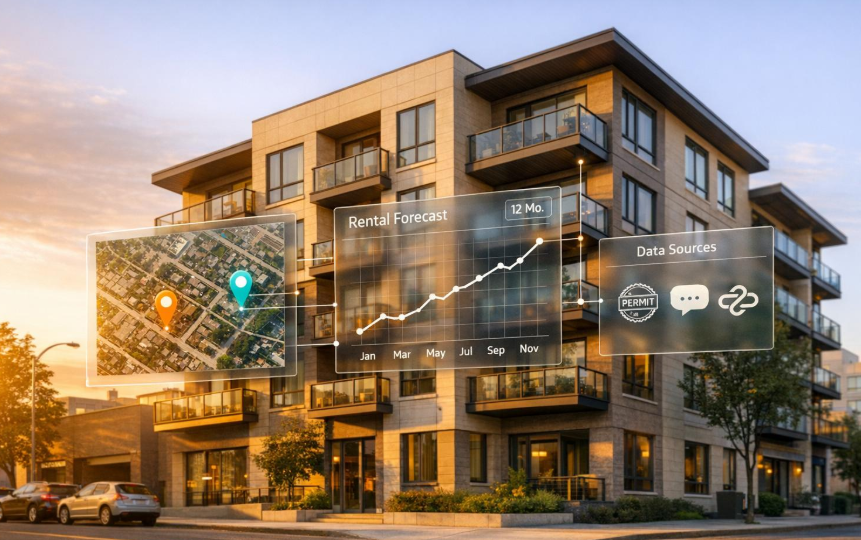
In 2026, astute investors make decisions based on local data platforms and AI-powered property analytics tools. Low rental revenue and delayed appreciation might result from ignoring vacancy rates, neighboring projects, and tenant preferences.

Investors can select profitable locations and prevent long-term financial losses by researching economic growth, employment possibilities, and impending transportation improvements.
2. Underestimating Total Investment Costs
New investors frequently ignore hidden costs including upkeep, registration fees, property taxes, insurance, repairs, and management charges in favor of concentrating just on property values.
The cost of owning a property has climbed dramatically in recent years due to inflation and rising building material prices. Before making a purchase, astute investors now compute annual operating expenses and set aside money for emergency repairs.

Unanticipated financial obligations, particularly during periods of unoccupied rental or unanticipated maintenance concerns, can lower profits and cause cash-flow issues if effective budgeting is not done.
3. Ignoring Property Inspection Before Purchase
One of the most common mistakes made by novice real estate investors is neglecting expert property inspections. A good investment might become a financial catastrophe due to structural damage, plumbing problems, electrical malfunctions, and legal conflicts.
For precise evaluations, contemporary investors now employ digital property verification, drone inspections, and smart home diagnostic equipment.

Negotiation possibilities and hidden repair expenses can be found with the aid of a thorough inspection report. Investing without conducting a thorough assessment raises long-term maintenance costs and dramatically lowers the value of the entire property.
4. Depending Too Much on Loan Financing
Many novice investors abuse mortgage funding because they are unaware of the hazards associated with repayment and interest rate swings. Unexpected market downturns coupled with high EMIs might lead to extreme financial strain.
Excessive borrowing is now riskier than it was in the past due to rising interest rates. Healthy debt-to-income ratios and emergency savings are maintained by prosperous investors.

During economic downturns, overleveraging causes stress and restricts future investment prospects. Long-term investment growth and increased financial stability are two benefits of balanced financing schemes.
5. Choosing the Wrong Property Location
The most significant factor affecting rental demand and property valuation is still location. In an attempt to make quick money, novices frequently purchase less expensive houses in places with inadequate connectivity or low demand.

However, smart city initiatives, metro links, business centers, and lifestyle infrastructure play a major role in the expansion of modern real estate. Better tenants and greater resale value are drawn to properties close to schools,
hospitals, IT parks, and transit infrastructure. Low occupancy rates, decreased rental income, and sluggish capital gain over time can all be consequences of poor location choices.
6. Failing to Understand Legal Documentation
Many new investors disregard property legal verification, which can lead to ownership conflicts, outstanding debts, or problems with permission. Due diligence is now more crucial than ever due to the tightening of real estate legislation.

Before making a purchase, investors should confirm land titles, RERA registrations, tax receipts, occupancy certificates, and builder permissions. Verification is now quicker and simpler thanks to digital land record systems. Ignoring legal papers can result in costly legal proceedings, delayed possession, and significant financial losses for novice investors.
7. Expecting Quick Profits From Real Estate
Although many novices anticipate immediate rewards, real estate is often an investment that builds value over time. Economic conditions, infrastructure improvements, and market cycles all affect property appreciation.

New investors frequently have irrational expectations due to social media success tales. In 2026, seasoned investors choose portfolio diversification, long-term appreciation, and consistent rental income over rapid flipping profits. During brief market slowdowns, unrealistic expectations can result in poor decision-making, panic selling, and financial disappointment.
8. Poor Tenant Screening Practices
Many first-time landlords rent out houses fast without thoroughly checking the job history, background, or dependability of the tenant’s payments. Poor tenants can result in property damage, late rent payments, and legal issues.
To lower risks, modern landlords use platforms for rental histories, credit checks, and digital tenant verification services. Cash flow and property condition are safeguarded by an appropriate screening procedure.

Ignoring tenant evaluation frequently results in higher maintenance expenses, longer vacancy times, and more legal challenges, all of which lower the total profitability of investments.
9. Neglecting Property Management Responsibilities
Some investors think that without active management, rental properties produce passive revenue. However, regular attention is needed for rent collection, maintenance coordination, tenant communication, and legal compliance.
Investors may now effectively track costs, maintenance, and tenant demands with the use of smart property management software and automation technologies.
Tenant satisfaction might decline and vacancy rates can rise when management duties are neglected. Well-kept properties draw in quality tenants, retain their market value, and provide investors with steady, long-term income.
10. Lack of Diversification in Real Estate Portfolio
Financial risk is increased when novices put all of their savings into a single kind of property or location. Returns may be adversely affected by local economic problems, shifting tenant needs, or market downturns.

Skilled investors expand into new real estate markets like smart houses and co-living spaces, as well as residential, commercial, and vacation rentals. Diversification generates several revenue streams and aids in risk management.
In fluctuating market conditions, a well-diversified portfolio offers greater long-term wealth-building prospects and improved financial security.
Why is Property Location Extremely Important for Real Estate Investment Success?
Increased Value of Property Over long investing periods, the value of properties in prime locations typically rises more quickly.
Increased Rental Interest Because they provide convenience, safety, and improved lifestyle amenities, good sites draw quality tenants.
Increased Resale Value In times of shifting market conditions, properties in well-connected areas are easier to sell at profitable prices.
Infrastructure Access Property desirability and investment growth are boosted by nearby highways, metro stations, schools, hospitals, and shopping centers.
Reduced Rates of Vacancy. For convenience, professional tenants want locations close to employment, business centers, and contemporary living facilities.
Long-Term Investment Safety Even in times of economic downturn and volatile real estate markets, prime locations typically hold their value.
Opportunities for Quicker Development Infrastructure development and government smart city initiatives can quickly raise the value of nearby real estate.
Improved Appeal for a Lifestyle Families and high-end tenants are regularly drawn to clean communities, parks, leisure areas, and security systems.
Cocnlsuion
Building long-term financial success and steady passive income requires avoiding the top common mistakes made by first-time real estate investors. Before investing, astute investors prioritize budgeting, tenant management, legal verification, market research, and property location.
Beginners can lower financial risks, increase profitability, and make confident property decisions by learning from seven typical real estate investing blunders. The secret to being a successful real estate investor is patience and careful planning.
FAQ
What is the biggest mistake first-time real estate investors usually make?
The biggest mistake is investing without proper market research and financial planning beforehand.
How can beginners avoid losing money in real estate investing today?
Beginners should research markets carefully, inspect properties properly, and maintain strong emergency savings funds.
Is taking a large home loan risky for new real estate investors?
Yes, excessive borrowing increases financial pressure during market downturns and rising interest rate periods.
Why should investors always inspect properties before finalizing purchase agreements?
Property inspections reveal hidden structural issues, repair costs, and potential legal complications before buying.
