


This article reviews the most promising smart contract wallets that eliminate the use of seed phrases and show how new-generation blockchain wallets mitigate repetitive recovery threats.
These wallets provide simplified access to crypto through account abstraction, MPC security, and social recovery systems.
Argent, ZenGo, Safe, and other platforms will be discussed and will shed light on how the security, usability, and adoption of Web3 are heightened for users and for startups as well.
Key Poinst & Top Smart Contract Wallets with No Seed Phrases Required
Argent eliminates seed phrases using guardian-based account recovery systems securely.
ZenGo replaces seed phrases through advanced MPC cryptographic security technology for users.
Loopring Wallet offers social recovery authentication instead of traditional, vulnerable seed phrase backup methods.
Safe secures assets using multisignature approvals instead of seed phrase dependency for authentication.
Ambire Wallet provides password-based access, eliminating complicated seed phrase management requirements completely for beginners.
Sequence Wallet enables seamless login methods without traditional seed phrase storage complications for gamers.
Soul Wallet supports decentralized social recovery mechanisms, replacing risky seed phrase protection systems entirely.
Biconomy Smart Wallet simplifies blockchain access through passwordless authentication and gasless transaction support for newcomers.
Pillar Wallet removes seed phrase complexities using human-readable account recovery solutions for cryptocurrency investors.
Fuse Wallet delivers secure onboarding experiences without requiring traditional seed phrase memorization from users.
Top 10 Smart Contract Wallets with No Seed Phrases Required
1. Argent
Argent is one of the safest smart-contract wallets that is also easy to use for beginners. Argent eliminates seed phrase issues with guardian-based recovery systems, which also enhance security and accessibility.
Argent improves Ethereum Layer-2 scaling, making Ethereum gas fees cheaper during DeFi transactions.
Argent works well with other wallets and apps, making it attractive for startups that need a secure and productive blockchain solution without the need for technical skills to onboard and manage a distributed team.
| Pros | Cons |
|---|---|
| Guardian recovery removes risky seed phrase management completely | Limited support outside Ethereum ecosystem currently |
| Layer-2 support lowers transaction fees significantly | Advanced DeFi features may confuse beginners |
| Strong DeFi and staking integrations available | Requires trusted guardians for account recovery |
2. ZenGo
ZenGo changes the game for cryptocurrency security with its pioneering Multi-Party Computation technology, eliminating the seed phrase issues for users all over the world.
Traditional wallets are largely unhackable, but with its technology and the social recovery system, ZenGo eliminates the risks associated with traditional wallets for the user.
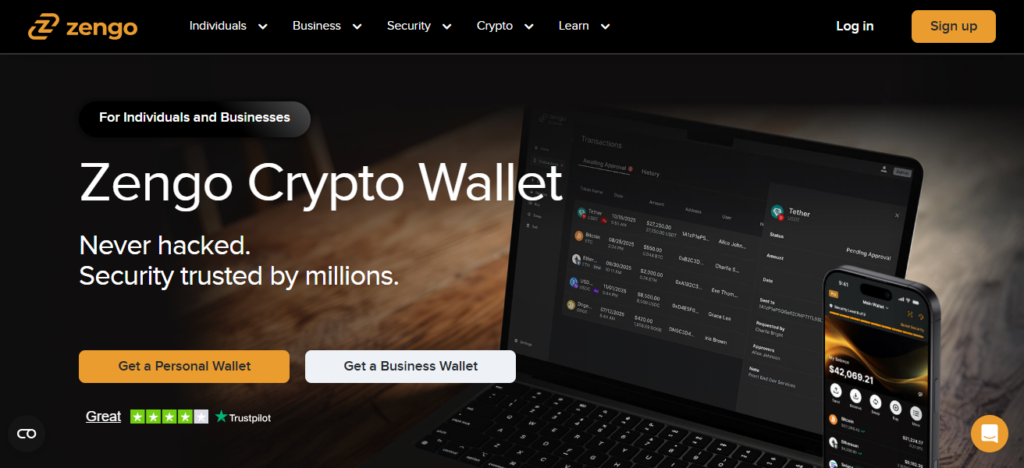
Securing the Eth blockchain also allows for easy and fast transactions. ZenGo also allows digital asset management and safe blockchain operations for startups that are looking for secure and efficient solutions.
| Pros | Cons |
|---|---|
| MPC security eliminates traditional private key exposure | Some advanced features require premium upgrades |
| Biometric login improves user convenience greatly | Limited customization compared with traditional wallets |
| Supports NFTs and decentralized applications smoothly | Dependency on cloud-based recovery infrastructure |
3. Loopring Wallet
Loopring Wallet combines smart contract security with Ethereum Layer-2 technology, enabling faster and cheaper blockchain transactions efficiently.
Loopring integrates social recovery systems, which make the wallet more secure and user-friendly. Loopring Wallet also increases scalability, reducing the high gas fees commonly experienced with Ethereum transactions.
This platform also enhances support for NFT marketplaces, decentralized payments, and crypto transactions, making the Loopring Wallet a scalable solution for startups looking to integrate blockchain systems.
| Pros | Cons |
|---|---|
| zkRollup technology enables cheaper faster transactions | Mostly optimized for Ethereum-based ecosystems |
| Social recovery improves wallet accessibility securely | Initial setup process feels technical sometimes |
| Integrated decentralized exchange functionality available | Limited blockchain compatibility outside supported networks |
4. Safe Wallet
Safe Wallet is amongst the most trusted multisignature wallets globally. Safe, formerly Gnosis Safe, is a pioneer in eliminating single points of security failure through sophisticated multi-approval systems for transaction requests.
This makes Safe Wallet a notable choice for crypto asset protection. Safe facilitates robust DAO treasury management and enterprise-grade blockchain security.
This has made Safe Wallet popular among start-ups, as the wallet enables safe asset control collaboration without the requirement of the seed phrase.
Safe Wallet’s integration with the core DeFi applications and its security and safety at the institutional level make Safe Wallet popular across the high-velocity blockchain ecosystems globally.
| Pros | Cons |
|---|---|
| Multisignature approvals enhance enterprise-level security | Complex configuration for inexperienced crypto users |
| Trusted widely by DAOs and organizations globally | Transaction approvals may slow urgent transfers |
| Excellent treasury management functionality supported | Requires multiple participants for certain operations |
5. Ambire Wallet
Ambire Wallet has made a notable improvement to simplify access to DeFi by discarding the use of the seed phrase and moving to password-based wallets.
Ambire Wallet incorporates smart contracts to simplify and automate transactions on the wallet, and offers some ease for a beginner to the crypto ecosystem.
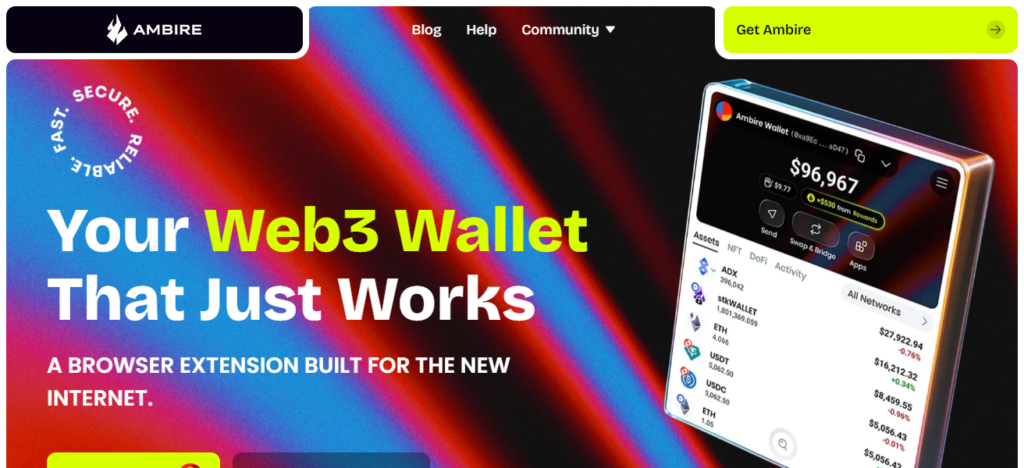
Ambire has also introduced gas abstraction, enabling payment of blockchain transaction fees with a variety of supported tokens, including native wallet tokens.
Ambire Wallet allows users to track their NFT and crypto portfolios in addition to providing token swaps and access to dApps.
Ambire Wallet’s simplified user interface has made it easier for start-ups to integrate blockchain and Web3 technologies into their business.
| Pros | Cons |
|---|---|
| Password-based login removes seed phrase complications | Smaller ecosystem compared with larger wallets |
| Gas abstraction improves payment flexibility greatly | Advanced features still developing actively |
| User-friendly interface supports beginner adoption easily | Limited hardware wallet integrations currently available |
6. Sequence Wallet
Recently, Sequence Wallet gained popularity among blockchain gamers for its offer of seedless wallet authentication around the world.
Users can gain access to Web3 applications with enhanced social login integrations, resulting in a much smoother onboarding experience.
Sequence also has embedded wallet infrastructure and the ability to facilitate NFT transactions, gaming economies, and decentralized marketplaces.
Sequence’s developer APIs allow gaming and digital entertainment startups to migrate to Web3 with ease. There is no compromise of security or usability of the Sequence Wallet with its frictionless user experience.
| Pros | Cons |
|---|---|
| Social login simplifies Web3 gaming onboarding | Mainly focused on gaming ecosystems currently |
| NFT and in-game asset support integrated | Fewer DeFi tools than competitor wallets |
| Developer APIs improve blockchain integration efficiency | Dependence on external authentication services sometimes |
7. Soul Wallet
Soul Wallet is a smart contract wallet. They have eliminated the need for seed phrases. Sole uses decentralized social recovery systems. They also use account abstraction.
This improves both accessibility and security for Block and Soul Wallet, which now supports Ethereum-based dApps.
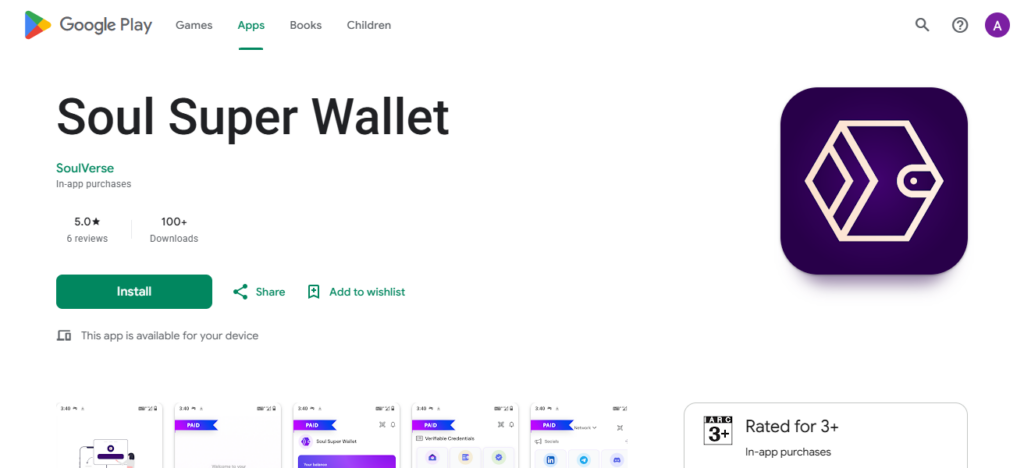
They also have asset management and a simpler onboarding process for users entering the Web3 dApps and walled ecosystems.
Soul Wallet also uses a modern security framework. They also have a growing developer base. Soul Wallet is a great option for start-ups that need a safe way to manage and hold cryptocurrency.
| Pros | Cons |
|---|---|
| Decentralized recovery improves long-term wallet security | Still emerging with limited mainstream adoption |
| Account abstraction simplifies blockchain interactions efficiently | Smaller community compared with established wallets |
| Eliminates traditional seed phrase vulnerabilities entirely | Limited integrations across certain blockchain platforms |
8. Biconomy Smart Wallet
Biconomy Smart Wallet is also removing the barriers for blockchain adoption with gasless and passwordless wallets.
Users are no longer forced to remember a long string of characters as their seed phrase and can much more quickly access applications on the decentralised web.
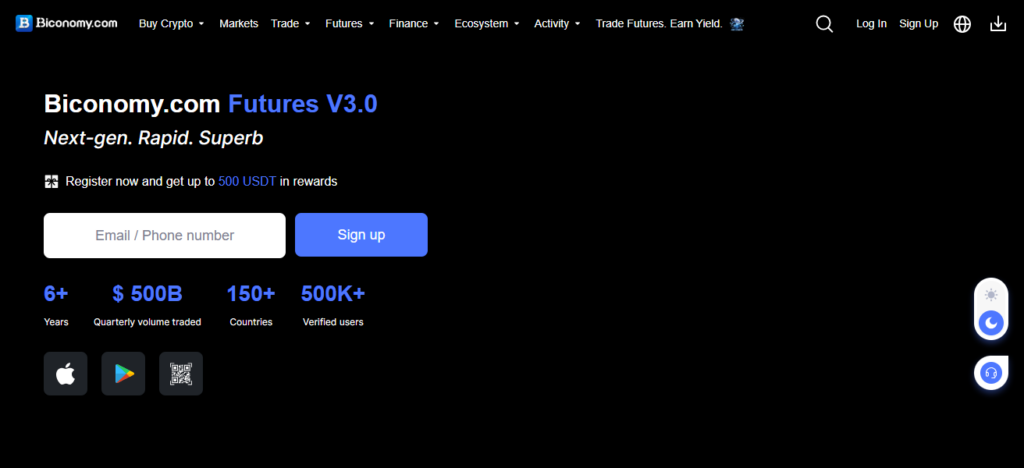
Biconomy Smart Wallet’s account abstraction technologies are improving greatly, and with it, the user experience of Web3 is too for both consumers and startups.
Within Biconomy’s infrastructure is a blend of decentralised finance, NFT transfers, and the ability to operate cross-chain, all in a seamless manner.
The tool has been designed to eliminate barriers to entry, making adoption of blockchain productivity tools more accessible for organizations and ultimately driving up user adoption rates.
| Pros | Cons |
|---|---|
| Gasless transactions improve user accessibility significantly | Some services depend heavily on infrastructure availability |
| Cross-chain compatibility enhances blockchain flexibility | New users may require onboarding guidance |
| Account abstraction simplifies authentication systems greatly | Limited offline wallet recovery options currently available |
9. Pillar Wallet
Pillar Wallet improves the decentralized finance experience because users do not have to worry about the complicated process of managing seed phrases.
Unlike other digital wallets, Pillar Wallet has a smart contract-based account recovery system to enhance accessibility and user control. Pillar Wallet is adding more multi-chain functionalities.
Users can manage a range of digital assets on a single wallet, and Pillar Wallet improves this by adding new chains and tokens.
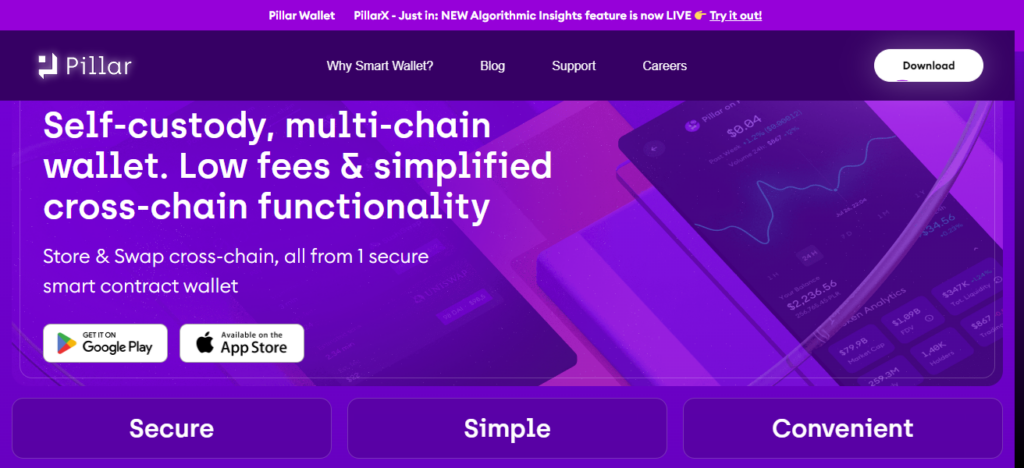
Pillar Wallet has integrated decentralized exchanges and other financial tools. It allows users to manage their tokens and other digital currencies.
Pillar Wallet’s simple design encourages safe trading of digital currencies and helps users transition to decentralized finance.
| Pros | Cons |
|---|---|
| Multi-chain asset management available efficiently | Interface may appear outdated to some users |
| Smart recovery improves accessibility and convenience | Smaller developer ecosystem than competitors currently |
| Integrated DeFi tools simplify crypto operations | Certain features require technical understanding initially |
10. Fuse Wallet
Fuse Wallet puts a high value on a smooth user experience on mobile devices and integrates smart contracts to eliminate worries of managing seed phrases.
It allows users to easily manage their tokens and access digital finance and payments globally from their mobile devices.
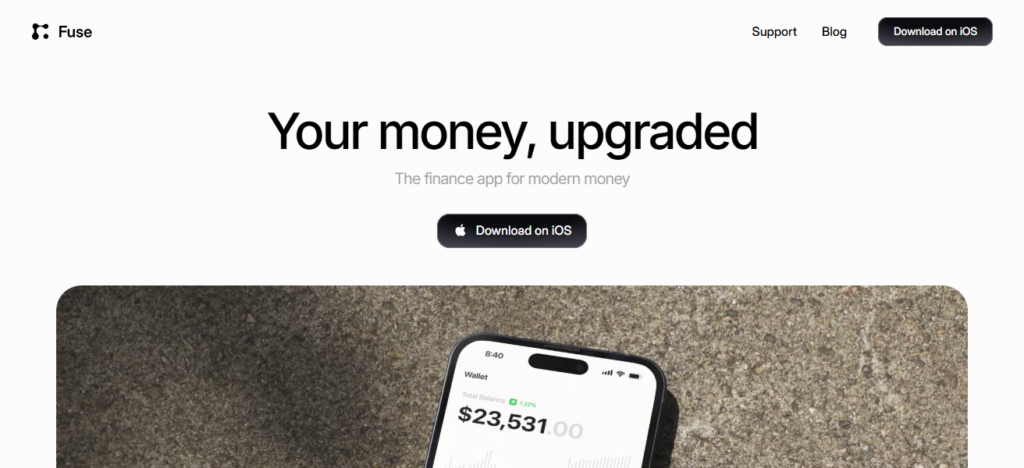
Fuse Wallet recently developed digital settlement systems, user-driven payment systems, and economies. It integrates low-cost, decentralized payment structures and a simple user interface to attract business.
Fuse Wallet helps users navigate decentralized finance seamlessly and within a very short time.
| Pros | Cons |
|---|---|
| Mobile-first experience supports quick crypto payments | Limited advanced DeFi functionality currently available |
| Low transaction fees attract growing startups globally | Smaller blockchain ecosystem than Ethereum wallets |
| Simplified onboarding improves mainstream accessibility greatly | Fewer integrations with enterprise blockchain applications |
Conclusion
In conclusion, leading top-tier smart contract wallets with no seed phrases required are innovating how digital assets are managed by users, focusing on speed and protection.
The absence of recovery risks created by traditional wallets, coupled with abstraction accounts, mult-party computation, and social recovery, makes Argent, ZenGo, Safe, and Biconomy Smart Wallet flexible.
These wallets optimize the use of DeFi, NFTs, and Web3, increasing the scalability and security of blockchain perturbations for start-ups and everyday users, making the movement of cryptocurrency easier.
FAQ
What is a smart contract wallet?
A smart contract wallet uses blockchain-based automation for advanced crypto security and recovery features.
Why are seed phrases removed in modern wallets?
Seedless wallets reduce risks of losing recovery phrases or accidentally exposing private security credentials.
Are seedless smart contract wallets secure?
Yes, most use advanced technologies like MPC, guardians, multisignature approvals, and account abstraction systems.
Which wallet is best for beginners?
Argent and ZenGo are beginner-friendly with simple recovery options.