


In this article, I profile the 10 Best Web3 Customer Loyalty Platforms. Reward systems that utilize blockchain technology, NFT, Tokens, and other decentralized methods of engagement have been created by these platforms.
To create methods of increasing retention and engagement for their community, these platforms are used by businesses. Read to discover the most innovative Web3 loyalty methods for 2026.
Key Points & Best Web3 Customer Loyalty Platforms
| Web3 Customer Loyalty Platform | Explanation |
|---|---|
| DappBack | Helps brands create blockchain loyalty programs with rewards, quests, and user engagement tools. |
| Hang | Enables businesses to build tokenized loyalty memberships and customer reward ecosystems easily. |
| LoyaltyLion Web3 | Combines traditional loyalty programs with blockchain features for enhanced customer experiences. |
| Cub3 | Provides Web3 loyalty solutions using NFTs, tokens, and community engagement strategies. |
| Venly | Offers blockchain tools for creating NFT-based loyalty programs without coding requirements. |
| Alchemy Pay Loyalty | Supports Web3 rewards through crypto payments, tokens, and customer incentives. |
| Kalder | Helps brands launch digital collectibles and loyalty campaigns using blockchain technology. |
| Polygon ID Loyalty Solutions | Provides secure decentralized identity solutions for personalized Web3 loyalty experiences. |
| QuestN | Enables brands to reward communities through blockchain-based quests and campaigns. |
| Zealy | Creates community-driven loyalty programs using quests, rewards, and Web3 engagement tools. |
10 Best Web3 Customer Loyalty Platforms
1. DappBack
DappBack is a platform in Web3 focused on customer loyalty. Using DappBack, companies can build quests, campaigns, and digital community rewards that boost customer engagement. Because everything is verified on the blockchain, brands can craft incentive programs and retain feedback about their customers.
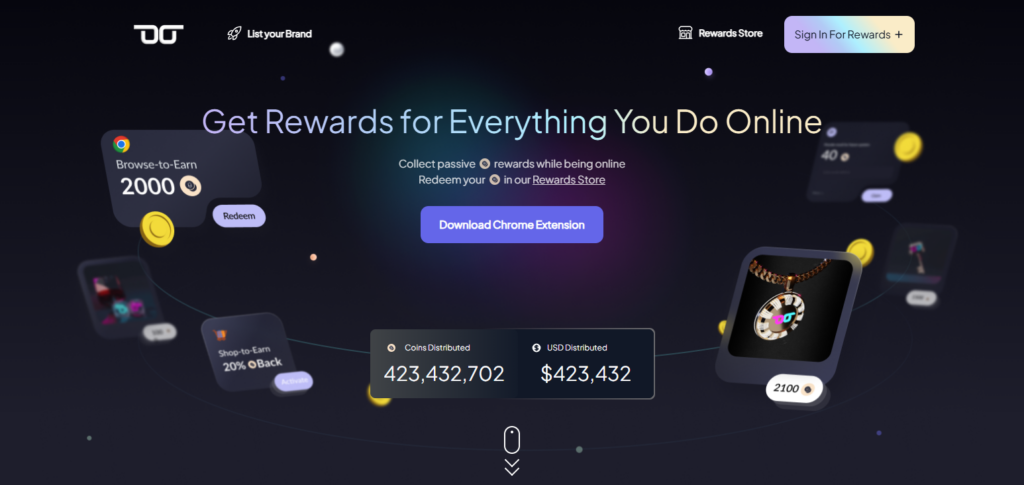
DappBack also offers decentralized and token-based customer engagement, and new programs that go beyond the traditional customer loyalty, points-based systems.
DappBack Pros & Cons
Pros
- Brands can design quests with digital rewards for Web3 campaign participants.
- Clients can build trust and engagement with reward-tracking on the blockchain.
- Businesses can build their communities with the gamification of customer participation.
- DappBack moves loyalty beyond a points-based system.
Cons
- Clients will need at least a modest understanding of blockchain and Web3.
- Adoption can move slowly with a general absence of crypto literacy.
- Transactions on the blockchain can add costs.
- The success of a campaign is contingent upon the community’s participation.
2. Hang
Hang helps brands build token-based membership systems and next generation customer loyalty systems. Specifically, Hang focuses on helping companies craft NFT memberships, digital collectibles, and other customer experiences.
Using Hang, brands can build customer loyal communities by offering blockchain-based community building rewards.
Hang Pros & Cons
Pros
- Brands can build NFT memberships and offer tokens to design unique experiences for customers.
- Token rewards can boost retention and participation.
- Token memberships can offer engagement at different levels.
- Digital assets can be used to build brand communities.
Cons
- General NFT adoption issues can restrict customer engagement.
- Continued participation may depend on education of the token-based system.
- Digital assets can be impacted by fluctuations of the market.
- Community participation directly impacts success and must be cultivated.
3. LoyaltyLion Web3
LoyaltyLion Web3 combines loyalty systems and programs with Web3 technology in order to construct more engaging customer reward programs. LoyaltyLion offers tools to help e-commerce brands experiment with digital, token-based rewards, and customizable customer experiences.
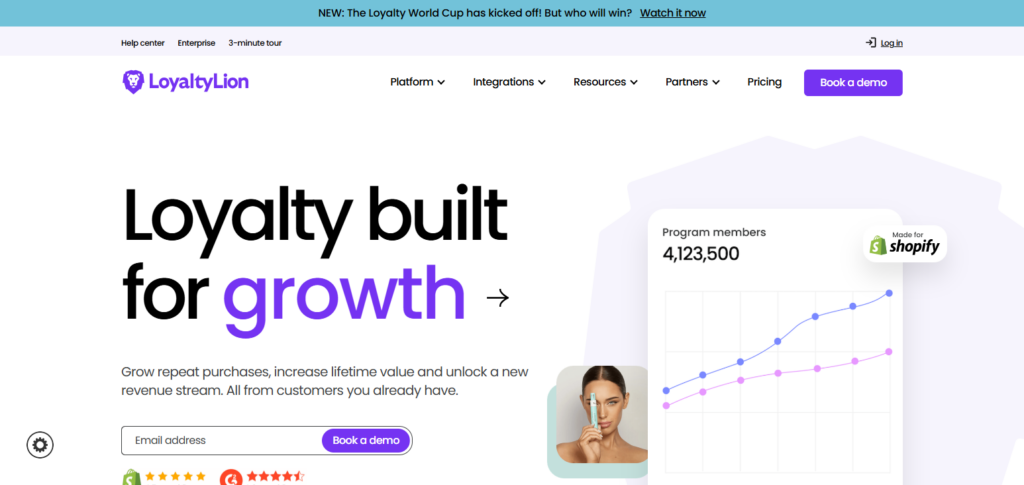
Using LoyaltyLion’s Web3 systems, brands can more easily build customer loyalty helping patrons return to their site and create a lasting relationship with them.
LoyaltyLion Web3 Pros & Cons
Pros
- LoyaltyLion Web3 combines the latest blockchain innovations with ecommerce loyalty.
- Brands can encourage customers to return with tailored rewards.
- LoyaltyLion supports a more digital customer journey with token-based rewards.
- LoyaltyLion combines traditional loyalty with Web3.
Cons
- Small businesses might consider advanced features too costly.
- There’s little customer awareness when it comes to blockchain rewards.
- 4For typical retailers, integration can be difficult.
4. Cub3
Cub3 presents businesses with Web3-based loyalty options. Brands are now able to involve customers by integrating NFTs, blockchain tokens, and rewards.
Cub3 helps businesses create loyalty programs and campaigns with minimal blockchain knowledge and skills, and even less to create the campaigns with their platform.
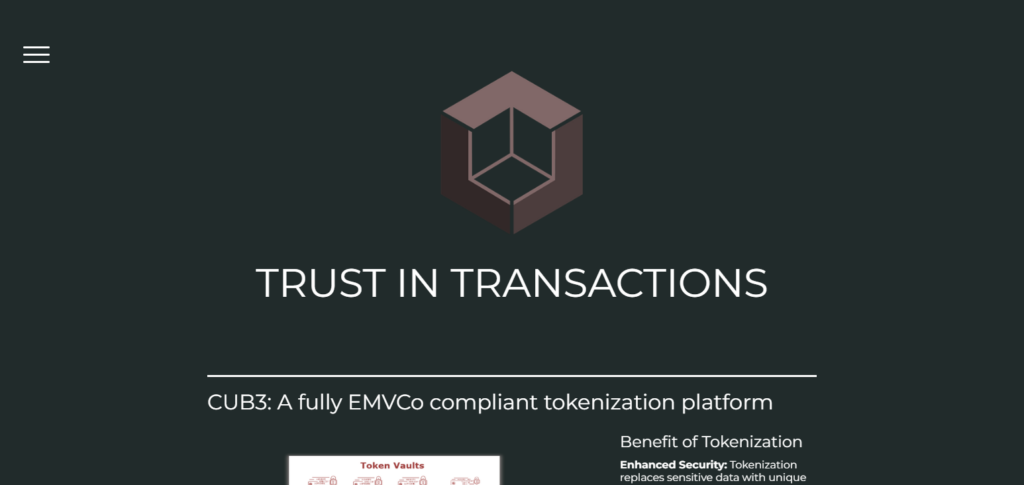
Cub3 provides the tools for businesses to incentivize customer actions, build thriving loyalty communities, and create digital experiences. Cub3’s platform provides the means for brands to reward users and incorporate loyalty through engagement and gamification.
Cub3 Pros & Cons
Pros:
- Offers NFT and token loyalty campaign customizations.
- Uses blockchain to allow brands to reward customer actions.
- Eases building Web3 loyalty systems.
- Uses gamified systems for rewards to boost community interaction.
Cons:
- For advanced use, some blockchain knowledge is necessary.
- Compared to other loyalty systems, awareness is still growing.
- Future reward systems may be contingent on token regulations.
- Customer participation is contingent on the creativity of the campaign.
5. Venly
Venly provides blockchain infrastructure to build NFT-based customer loyalty programs. Venly’s platform and tools help brands create digital assets and Web3 experiences through a simplified approach to coding.
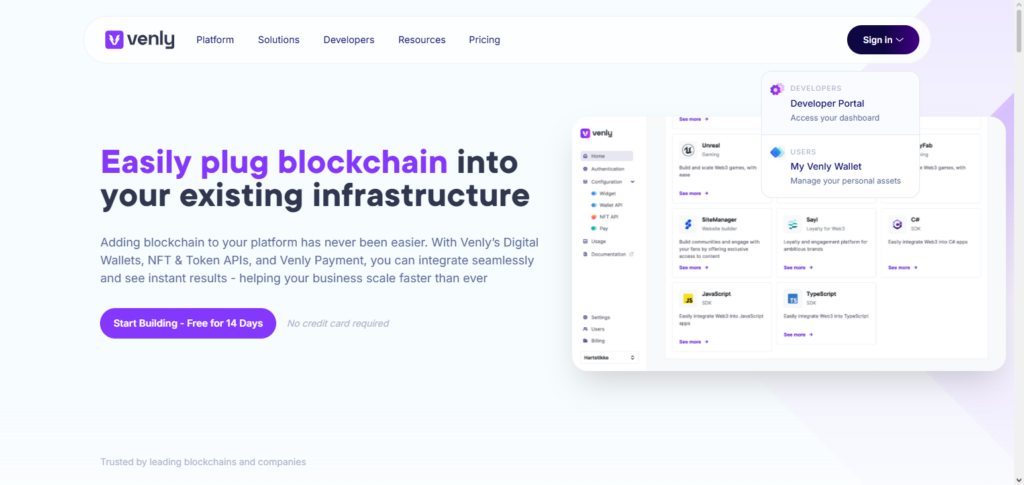
Venly also provides the tools and infrastructure necessary to build customer loyalty and reward programs with engaged and thriving communities and superior proprietary digital experiences.
Venly Pros & Cons
Pros:
- Makes adoption of blockchain easy with dev-friendly tools.
- Allows brands the quick launch of NFT loyalty programs.
- Provides solutions for digital wallets and collectibles.
- Web3 use less technical with added ease.
Cons:
- Customization may require business devs.
- Loyalty campaigns may be impacted by NFT popularity.
- Large programs may be impacted by blockchain.
- Programs less useful for brands who do not want digital assets.
6. Alchemy Pay Loyalty
Alchemy Pay Loyalty caters to contemporary customer incentive programs with a fusion of digital rewards and blockchain payments. Their platform combines customer loyalty programs with crypto rewards and Web3 payments.
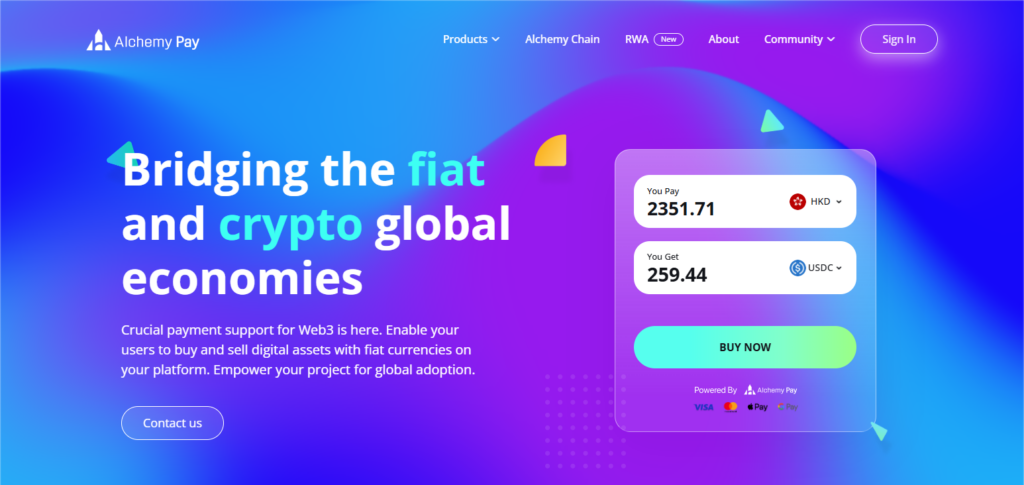
By merging the traditional and the decentralized, Alchemy Pay smords customers with a more flexible engagement through their blocks and loyalty payments.
Alchemy Pay Loyalty Pros & Cons
Pros
- Links loyalty rewards to crypto payments.
- Brands focusing on crypto and community are supported.
- Flexible token systems are supported.
- Payments and Web3 are combined.
Cons
- From crypto regulations, platform usage may differ.
- Knowledge of crypto improves ease of use.
- Fluctuations in tokens could affect reward values.
- Traditional customers may appreciate straightforward reward systems.
7. Kalder
Kalder enables brands to launch campaigns with digital collectibles and blockchain loyalty systems. The platform emphasizes relationship building with use of NFTs alongside rewards and community building. This encourages brands to think outside the box with how they engage their audiences.
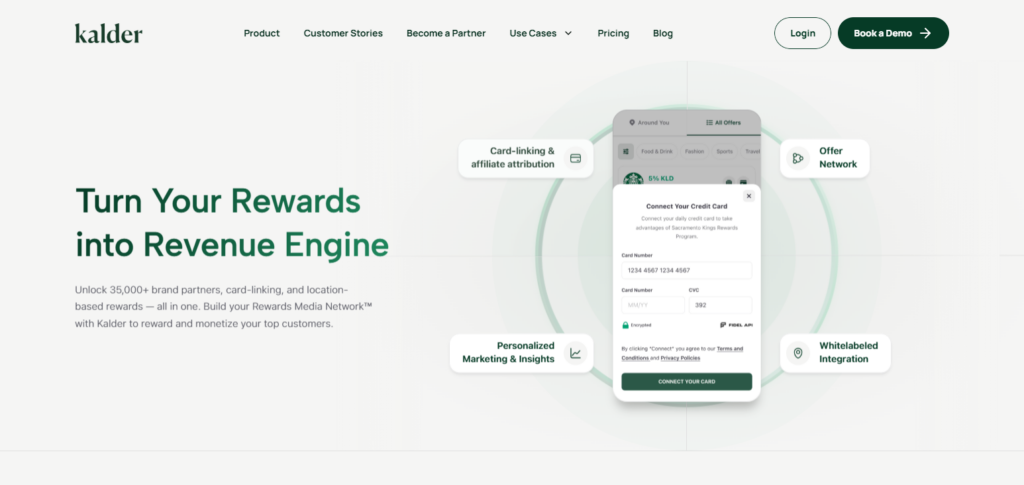
Customers are rewarded for their engagement and loyalty in the form of digital goods. The platform’s Web3 infrastructure empowers brands to design and deploy innovative marketing campaigns through the lens of earned, collectible, and interactive digital assets.
Kalder Pros & Cons
Pros:
- Promotes engaging digital collectible campaigns for brands.
- Uses NFTs for distinct customer experience.
- Builds loyalty from community-based initiatives.
- Leverages innovative strategies for digital marketing in Web3.
Cons:
- NFT-based rewards may not appeal to the entire customer base.
- Digital marketing in Web3 may require ongoing updates.
- Learning to use blockchain may deter customer engagement.
- Digital collectibles are only valuable if customers want them.
8. Polygon ID Loyalty Solutions
The Polygon ID loyalty solutions utilize decentralized identity infrastructure to personalize, secure, and privacy-conscious Web3 customer experiences.
Brands can design loyalty programs that are identity verified through blockchain technology, maintaining trust and privacy. With Polygon ID, customers are able to retain control of their digital identities and the loyalty framework is secure and privacy focused.
Polygon ID Loyalty Solutions
Pros:
- Offers secure trustless identity verification for loyalty programs.
- Balances privacy with tailored customer rewards.
- Assists brand development of trust-based Web3.
- Provides modular blockchain for scalable solutions.
Cons:
- High level of blockchain knowledge is needed for implementation.
- Strong privacy of identity management systems is a must.
- Requires user approval to trust decentralized identity.
- Complex systems may be too challenging for small businesses.
9. QuestN
QuestN provides brands and communities the building blocks to construct their own blockchain-centric tasks, campaigns, and incentive programs. This platform empowers companies to engage their clientele through interactive tasks and achievements with the incentive of digital goods.

QuestN is designed to improve the loyalty of the clientele and the community through campaigns that have a decentralized focus. This platform excels at providing a framework for the use of tokens and the tracking of customer engagement.
QuestN Pros & Cons
Pros:
- Promotes customer interaction through blockchain quests.
- Assists brands in rewarding users in interactive campaigns.
- Incentives encourage community participation.
- Offers advanced gamification for marketing.
Cons:
- Requires multiple campaigns to engage customers.
- Effectiveness is determined by the community participation level.
- Confusion may be a barrier to using blockchain for rewards.
- Platform shows limited value without engaged community.
10. Zealy
Zealy utilizes gamified tools to develop community-centric loyalty programs that use challenges and rewards. Zealy aids in driving user participation for Web3 projects and brands through gamified challenges and reward structures.
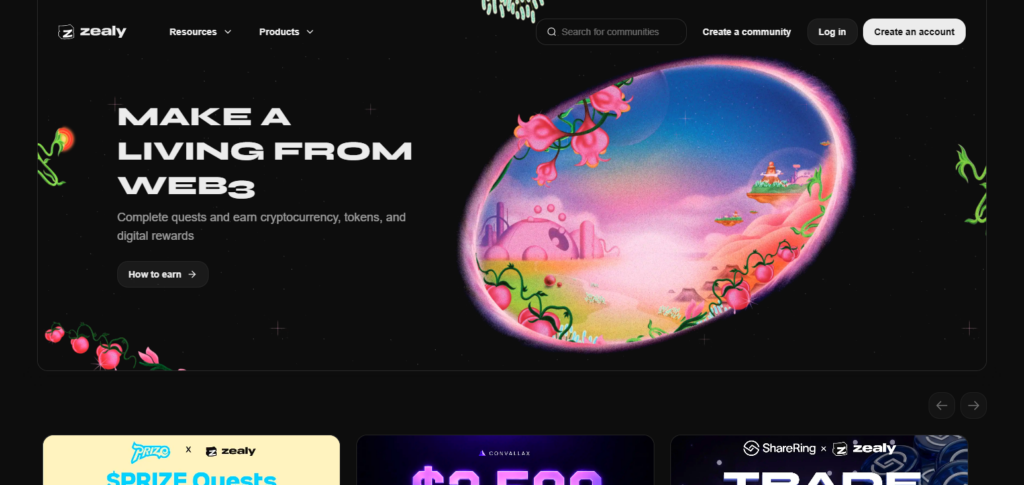
Zealy helps brands build and maintain active user communities and customer loyalty. The quest-centric loyalty structure builds stronger customer relations and increases customer retention and sustained business relations through more focused and targeted marketing.
Zealy Pros & Cons
Pros:
- Offers advanced quests for community engagement.
- Great for brands wanting to reward user contributions.
- Gamification wins repeat customers.
- Eases the pain of managing Web3 communities.
Cons:
- Lacks value without an active community.
- Needs constantly scheduled content to pull the community.
- Community loyalty over commerce.
- Web3 engagement platforms are a growing market.
Conclusion
In Conclusion Best Web3 Customer Loyalty Platforms The Best Web3 Customer Loyalty Platforms are changing how companies use blockchain rewards, NFTs, tokens, and community-driven solutions to reach their customers.
These platforms enable companies to engage customers and retain them through tailored loyalty programs. As Web3 adoption continues in 2026, businesses leveraging decentralized loyalty solutions will be able to strengthen their customer relationships and implement modern customer engagement solutions beyond traditional reward programs.
FAQ
Why should businesses use Web3 loyalty platforms?
Businesses use Web3 loyalty platforms to increase customer retention, offer unique rewards, build communities, and create personalized experiences.
How do Web3 loyalty platforms work?
These platforms reward customers through blockchain-based assets such as tokens, NFTs, digital collectibles, and community-based activities.
Which are the best Web3 Customer Loyalty Platforms in 2026?
Top Web3 loyalty platforms include DappBack, Hang, LoyaltyLion Web3, Cub3, Venly, Alchemy Pay Loyalty, Kalder, Polygon ID, QuestN, and Zealy.
