


This article will focus on the Best Predictive Inventory Stockout Software for Omnichannel Retailers. These softwares leverage A.I., Demand Forecasting and Inventory Analytics to help retailers prevent stockout issues.
The right predictive inventory software will increase stock availability and lower the cost of carrying inventory. Retailers will also be able to create an optimal shopping experience across online and offline channels.
Key Points & Best Predictive Inventory Stockout Softwares for Omnichannel Retailers
| Predictive Inventory Stockout Software | Explanation |
|---|---|
| Netstock | Forecasts demand accurately and prevents stockouts across multiple retail sales channels. |
| EazyStock | Uses predictive analytics to optimize inventory levels and reduce shortages efficiently. |
| Lokad | Applies machine learning models for demand forecasting and stock replenishment decisions. |
| Blue Yonder | Delivers AI-powered inventory planning for seamless omnichannel retail stock management strategies. |
| ToolsGroup | Improves product availability using predictive demand sensing and automated replenishment processes. |
| RELEX Solutions | Enhances inventory visibility and predicts stockouts before affecting customer purchasing experiences. |
| Cin7 | Centralizes inventory data and automates replenishment across connected sales platforms. |
| Inventory Planner | Predicts future demand trends and recommends optimal inventory purchasing quantities. |
| Anaplan | Provides connected planning tools for forecasting inventory and avoiding costly shortages. |
| SAP Integrated Business Planning | Combines predictive analytics with supply chain planning for improved inventory availability. |
10 Best Predictive Inventory Stockout Softwares for Omnichannel Retailers
1. Netstock
Netstock is a strong choice for retailers wanting to forecast demand and optimize stock. The software will utilize AI and analyze past sales to augment future demand while recognizing stock shortages in advance.
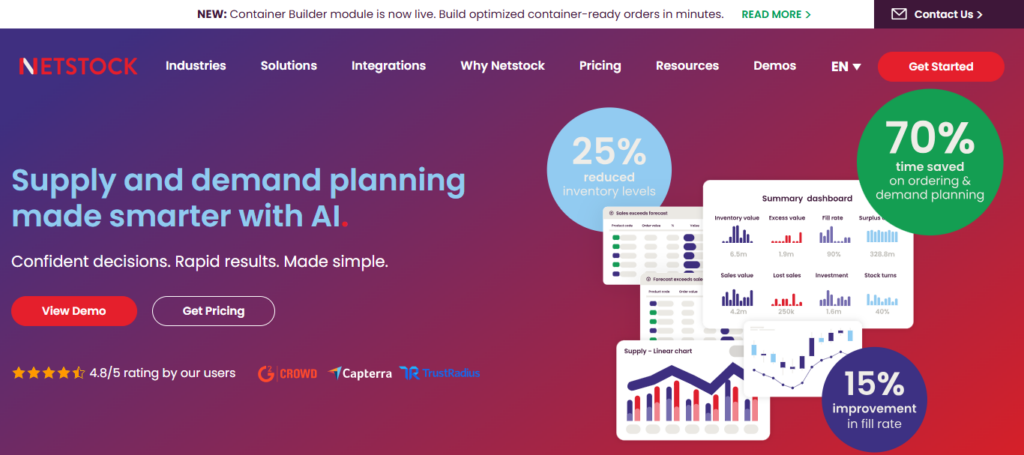
The product is designed with a variety of ERP system integrations which help the retailer align stock data interdependencies throughout all of their sales and storage channels.
Using Netstock’s suggestions and advanced initiatives allows a retailer to eliminate excess stock, while achieving the desired and necessary amounts of stock. Netstock is a great asset for an expanding omnichannel retailer that has a large and extensive catalog.
Netstock Pros & Cons
| Pros | Cons |
|---|---|
| Excellent demand forecasting accuracy | Premium pricing for small businesses |
| Strong ERP integrations | Limited native e-commerce integrations |
| Automated replenishment recommendations | Initial setup can be time-consuming |
| Easy-to-understand dashboards | Advanced features require training |
| Reduces excess inventory significantly | Custom reporting options are limited |
2. EazyStock
EazyStock attempts to change the approach to inventory management by using predicative, advanced stock-sensitive methods. The software evaluates demand variances and supplier trends to eliminate stock shortages and saturation.
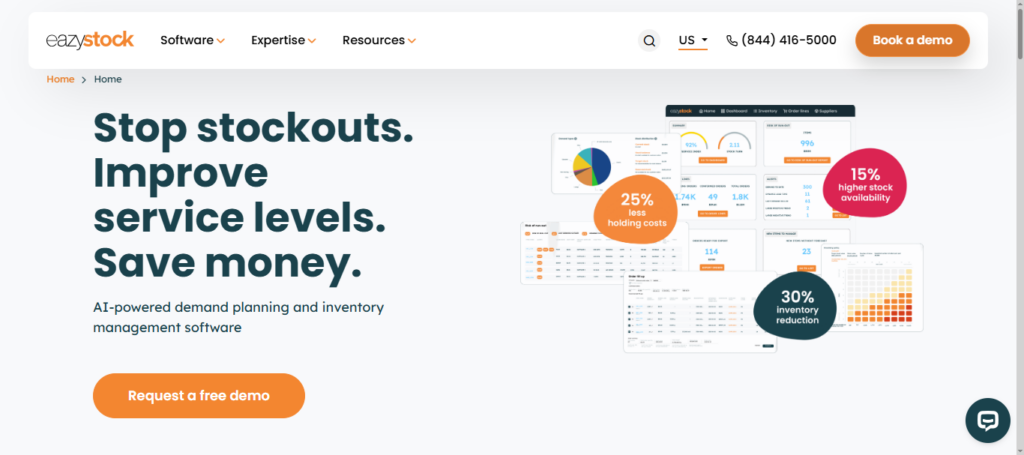
EazyStock’s forecasting engine dynamically attunes the reorder frequency and safety stock levels based on the flow of the sales. EazyStock goes a step further to omnichannel retailers by allowing them to predict and gauge supply flow in multiple sales and storage channels.
EazyStock Pros & Cons
| Pros | Cons |
| Dynamic safety stock calculations | Fewer third-party integrations |
| User-friendly interface | Higher learning curve for beginners |
| Strong supplier performance tracking | Customization options are limited |
| Improves inventory visibility | Advanced analytics require premium plans |
| Effective demand forecasting tools | Less suitable for very large enterprises |
3. Lokad
Lokad is celebrated for its advanced machine learning and exceptional quantitative forecasting appliances. This software is capable of sifting through huge arrays of historic data, sales, and market trends to make sharp predictions on the future.
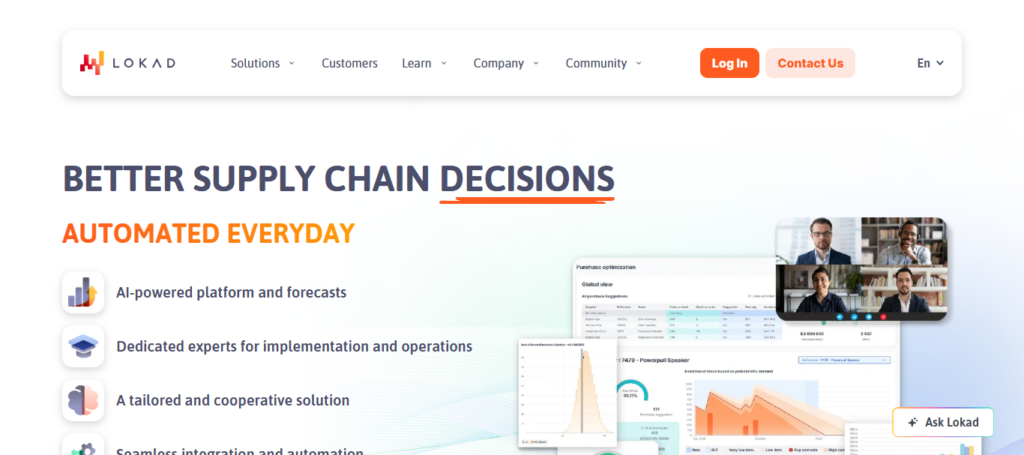
Keeping track of multiple purchasing patterns creates a cost savings deterrent for stock shortages. For businesses with multiple sales channels and complicated supply chains, Lokad is a highly effective solution.
Lokad Pros & Cons
| Pros | Cons |
| Advanced machine learning algorithms | Requires technical expertise |
| Handles massive datasets efficiently | Complex implementation process |
| Highly accurate forecasting models | Interface may feel overwhelming |
| Supports complex supply chains | Premium pricing structure |
4. Blue Yonder
Blue Yonder harnesses the power of artificial intelligence and cognitive analytics in the development of their enterprise-grade inventory solutions. Their platform is strong at forecasting demand and assessing inventory risk, both of which are essential in protecting sales.
Blue Yonder provides retailers with the means to manage their inventory with the help of real-time analytics geared towards the distribution of stock throughout their physical stores, fulfillment centers, and online sales channels.
Blue Yonder’s supply chain solutions continue to help retailers across the industry improve inventory availability and reduce inventory surplus, especially on stock challenged supply chains, during peak holiday seasons and sales promotion.
Blue Yonder Pros & Cons
| Pros | Cons |
| Enterprise-grade AI capabilities | Expensive for mid-sized retailers |
| Real-time inventory optimization | Implementation can be lengthy |
| Excellent demand sensing features | Requires dedicated IT resources |
| Scales globally across operations | Complex user interface |
| Strong omnichannel inventory planning | Training costs can be significant |
5. ToolsGroup
ToolsGroup focuses on demand sensing and service-oriented inventory optimization. Predictive analytics serve demand, and ToolsGroup’s software helps achieve optimal inventory levels across various sales channels.
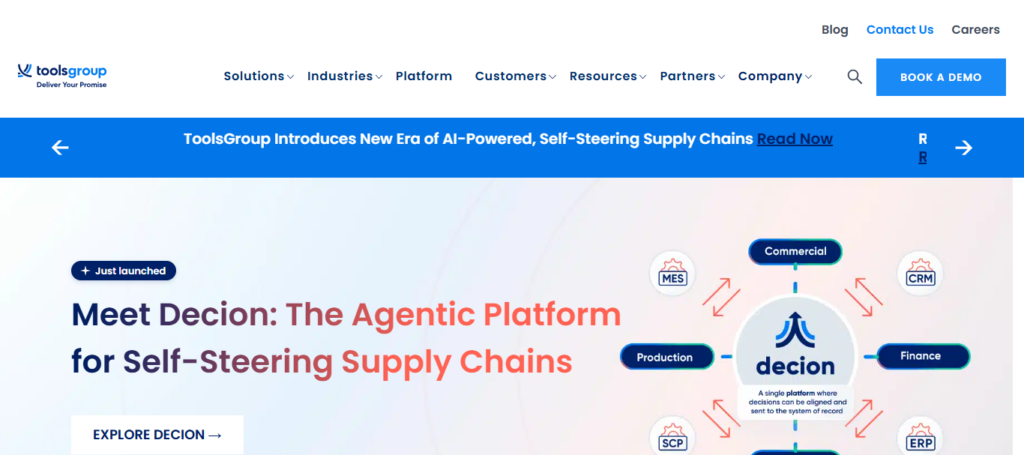
In the case of imminent inventory shortages, the software sends recommendations to retailers in the form of suggestions to reallocate or replenish stock. Stakeholders employing ToolsGroup value the availability of their products and the uplift in customer satisfaction.
ToolsGroup’s ability to harmonize service and inventory goals is especially favorable to organizations with complex and numerous sales channels.
ToolsGroup Pros & Cons
| Pros | Cons |
| Exceptional service-level optimization | Higher upfront investment |
| Automated replenishment recommendations | Complex configuration requirements |
| Effective demand sensing technology | Smaller businesses may find it excessive |
| Reduces stockouts significantly | Custom integrations may require additional costs |
| Supports multi-location inventory planning | Steeper learning curve |
6. RELEX Solutions
RELEX Solutions has a state-of-the-art technology with its forecasting and demand software solutions for retailers. Through the incorporation of artificial intelligence and machine learning, demand and placement of inventory among stores and fulfillment centers is optimized with the use of their software.
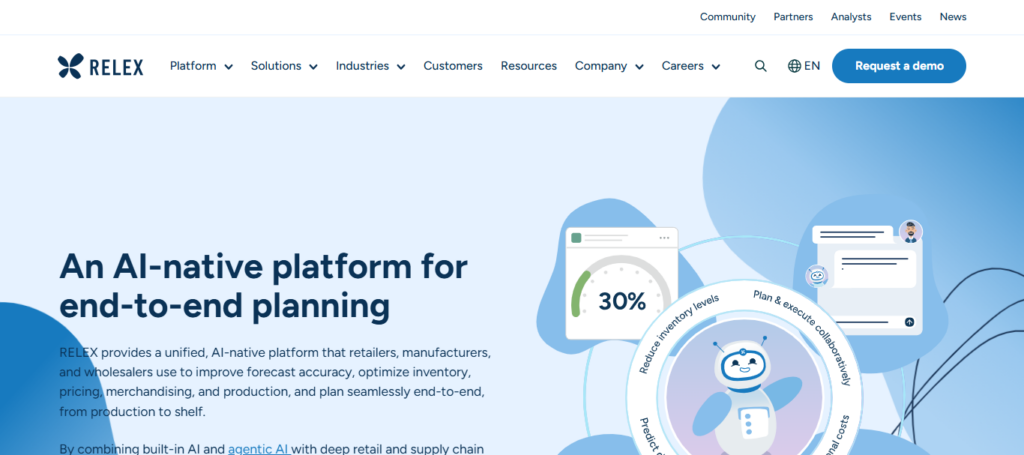
Retailers can manage their inventory with real-time analytics and respond to demand surges and supply gaps as they occur. RELEX Solutions provides stockout prevention of tailored inventory for retailers with large product ranges across numerous sales channels.
RELEX Solutions Pros & Cons
| Pros | Cons |
| Excellent retail forecasting accuracy | Premium enterprise pricing |
| Real-time inventory visibility | Implementation requires planning expertise |
| AI-driven replenishment automation | Can be resource-intensive |
| Handles large product assortments efficiently | Some features need advanced training |
| Strong promotion forecasting capabilities | Less affordable for startups |
7. Cin7
Cin7 offers centralized inventory management, connecting physical retail locations, online marketplaces, and warehouses. Using predictive analytics, Cin7 automates stock replenishment and enables retailers to monitor inventory in real time.
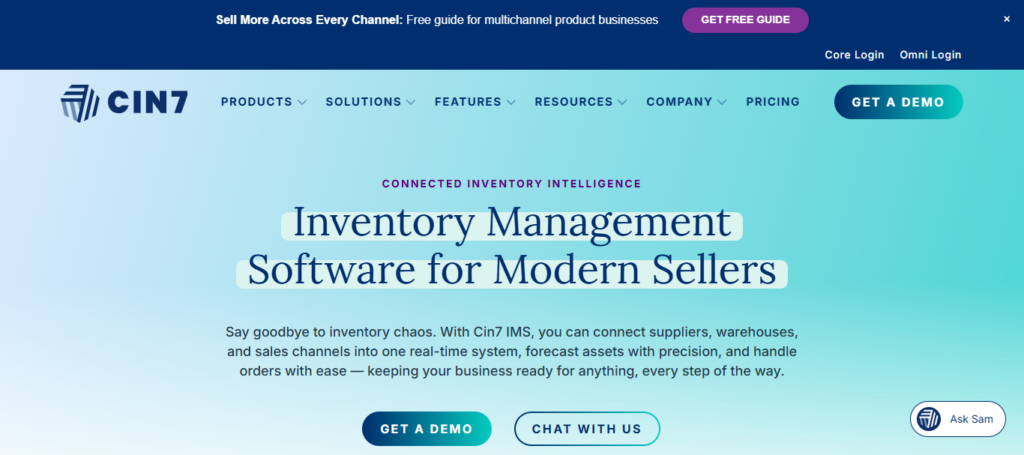
Retailers also have the ability to analyze and track inventory that is most likely to run out. For retailers who operate across multiple sales channels and want to improve the efficiency and effectiveness of operational processes and inventory, Cin7 is the perfect solution.
Cin7 Pros & Cons
| Pros | Cons |
| Centralized inventory management platform | Reporting capabilities could be deeper |
| Strong e-commerce integrations | Advanced forecasting is less sophisticated |
| Easy multi-channel synchronization | Pricing increases with business growth |
| Automated stock replenishment tools | Limited customization options |
| User-friendly interface | Occasional integration issues reported |
8. Inventory Planner
Sophisticated demand forecasting and inventory planning help retailers make better purchasing decisions with Inventory Planner. The platform uses past sales history, seasonality, and growth to make suggestions regarding the best reorder quantity.
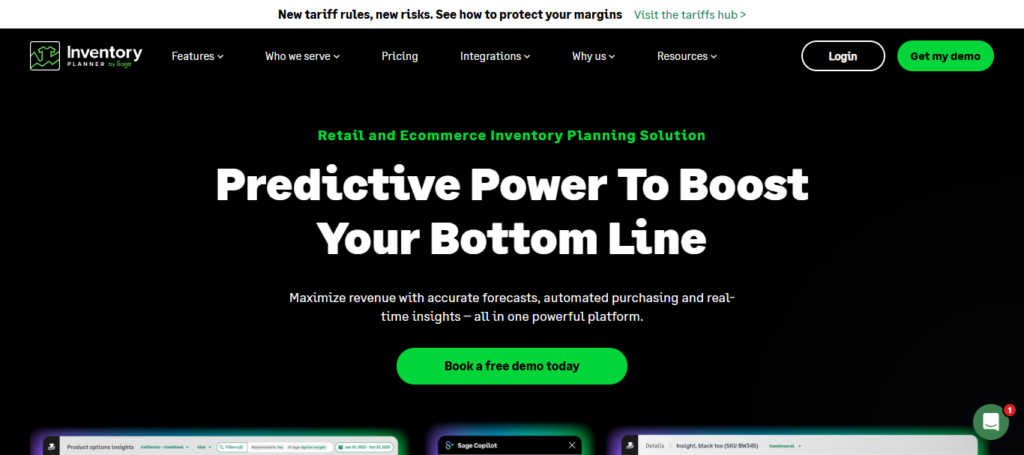
Omnichannel retailers value Inventory Planner’s easy-to-use dashboards. These dashboards quantify and help manage inventory to maximize efficiency of inventory and minimize stock shortages.
Inventory Planner Pros & Cons
| Pros | Cons |
| Simple and intuitive dashboard | Fewer enterprise-level capabilities |
| Accurate purchasing recommendations | Limited advanced AI functions |
| Excellent seasonal forecasting tools | Not ideal for highly complex supply chains |
| Easy implementation process | Custom reports are restricted |
| Helps improve inventory turnover | Dependency on quality historical data |
9. Anaplan
With Anaplan’s connected planning, inventory forecasting integrates with the rest of the business. This connected planning helps retailers run different demand scenarios and the potential outcomes of stock and business.
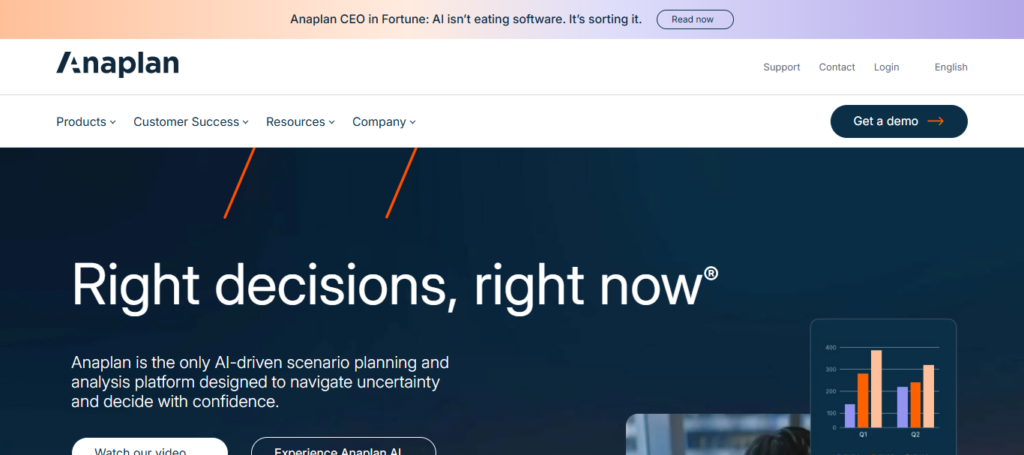
Predictive analytics and real-time data combine in Anaplan to help omnichannel retailers with quicker, better inventory decisions and decreased stock shortages in a rapidly changing business environment.
Anaplan Pros & Cons
| Pros | Cons |
| Comprehensive end-to-end supply chain visibility | High implementation costs |
| Advanced predictive analytics and AI | Requires experienced consultants |
| Excellent scalability for global retailers | Complex configuration process |
| Strong integration with SAP ecosystem | Steep learning curve |
| Powerful demand forecasting capabilities | Significant time investment for deployment |
10. SAP Integrated Business Planning
SAP Integrated Business Planning harnesses the power of forecasting, predictive analytics, and supply chain management, and integrates them into one, single cloud-based solution. This software enables complete visibility from procurement through to distribution and inventory.
Its predictive analytics identifies stock shortages before they occur, and recommends actions to mitigate the risk of stock shortages.
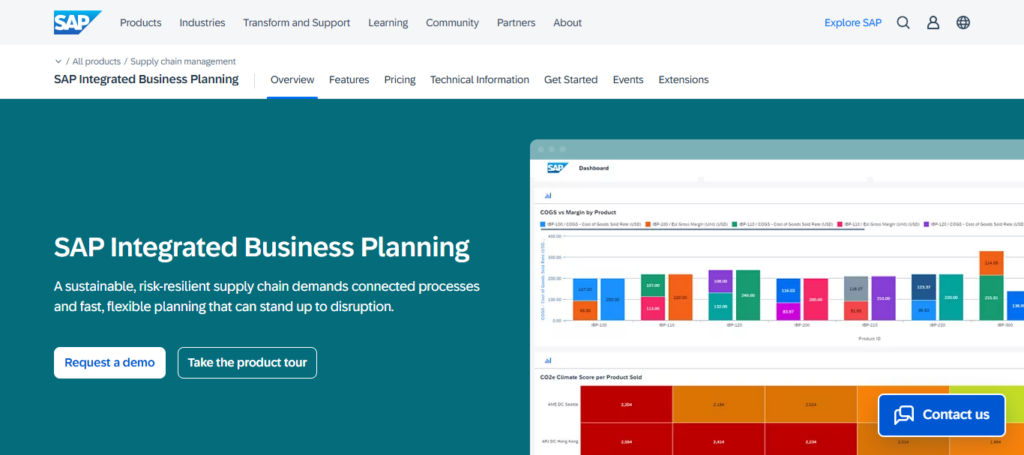
For large retail companies with many channels, SAP IBP manages sophisticated inventory networks and offers the capability to enhance the accuracy of demand forecasting.
This in turn allows companies to increase their service levels and lower their costs by reducing the operational and inventory inefficiencies.
SAP Integrated Business Planning (IBP) Pros & Cons
| Pros | Cons |
| Comprehensive end-to-end supply chain visibility | High implementation costs |
| Advanced predictive analytics and AI | Requires experienced consultants |
| Excellent scalability for global retailers | Complex configuration process |
| Strong integration with SAP ecosystem | Steep learning curve |
| Powerful demand forecasting capabilities | Significant time investment for deployment |
Conclusion
In Conclusion Predictive inventory stockout software is reshaping omnichannel retailing. Finding the right software can now help you balance inventory levels and satisfy demand.
Netstock, Blue Yonder, RELEX Solutions, and SAP IBP all employ AI and advanced analytics and create automated stock safeguards to mitigate loss from stock shortages. There are many elements that help dictate the best option software for a specific company.
These elements can be business size and the level of integration, and what complexity is needed in forecasting. The software can bring a lot of good customer impact and satisfaction.
FAQ
Why do omnichannel retailers need predictive inventory software?
It helps maintain stock availability across online stores, marketplaces, and physical locations.
How does predictive inventory software reduce stockouts?
The software analyzes sales trends and automatically recommends replenishment actions.
Can small businesses use predictive inventory solutions?
Yes, many platforms offer scalable plans suitable for small and mid-sized retailers.
Which industries benefit most from these tools?
Retail, e-commerce, wholesale, fashion, electronics, and consumer goods companies benefit significantly.
Do these platforms integrate with ERP systems?
Most leading solutions integrate with ERP, POS, and e-commerce platforms seamlessly.
