

In this article, I will identify the Best Digital Therapeutics (DTx) Platforms for Behavioral Health Clinics. These solutions are the future of mental healthcare. They integrate software with clinical evidence, AI, and Digital Interventions.
DTx systems enable clinicians to better manage their workload by improving patient outcomes and increasing patient engagement.
Leading DTx systems are used to manage a range of psychological and emotional disorders, including anxiety, depression, addiction, and stress, and are an excellent resource to make behavioral health services more available.
Key Poinst & 10 Best Digital Therapeutics (DTx) Platforms for Behavioral Health Clinics
| Digital Therapeutics Platform | Explanation |
|---|---|
| Pear Therapeutics | Delivers evidence-based digital treatments for substance and mental disorders. |
| Click Therapeutics | Provides prescription digital therapies improving behavioral and mental outcomes. |
| SilverCloud Health | Offers online mental health programs with clinician-supported interventions effectively. |
| Big Health | Develops digital solutions targeting insomnia, anxiety, and stress. |
| Limbix | Engages adolescents through interactive therapeutic tools for mental wellness. |
| Happify Health | Uses science-backed activities to improve emotional health and resilience. |
| Akili Interactive | Creates cognitive therapeutic games addressing attention-related behavioral conditions. |
| Woebot Health | AI-powered chatbot delivers mental health support and behavioral coaching. |
| Mindstrong Health | Monitors behavioral patterns digitally for proactive mental health care. |
| Better Therapeutics | Provides software-based treatments helping patients manage chronic behaviors effectively. |
10 Best Digital Therapeutics (DTx) Platforms for Behavioral Health Clinics
1. Pear Therapeutics
As an early and notable influencer in the digital therapeutics market, Pear developed software for the treatment of behavioral health issues based on evidence and research.
Their software is designed to work in conjunction with existing clinical care dealing with substance use and other related mental health issues.
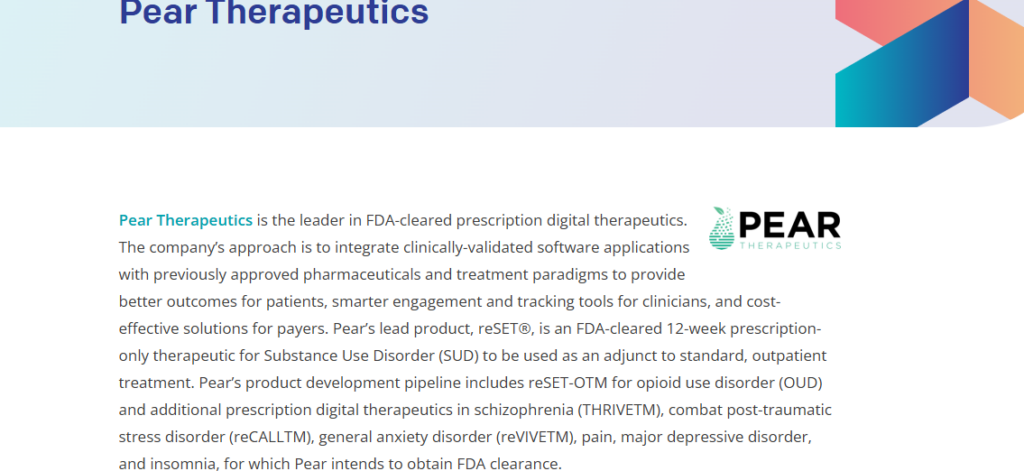
Behavioral health clinics appreciate that Pear focuses on clinically validated approaches to help keep patients working outside of the therapy room.
Their approach is research-based and shows that digital solutions to behavioral health challenges can be used to help extend the reach of care and lessen the barriers to treatment, and can help strengthen recovery by providing various therapeutic solutions on a smartphone or other connected device.
Pear Therapeutics
| Pros | Cons |
|---|---|
| Clinically validated treatment programs. | Limited availability after business restructuring. |
| Supports substance use disorder management. | Requires patient smartphone access. |
| Strong research-backed therapeutic framework. | Not suitable for all mental health conditions. |
| Enhances engagement between therapy sessions. | Dependence on consistent user participation. |
2. Click Therapeutics
Click Therapeutics is known for developing prescription digital therapeutics that are at the intersection of highly sophisticated software and behavioral science.
Their solutions cater to a spectrum of mental and behavioral health issues and are purposefully built to complement clinical workflows.

Behavioral health clinics appreciate that Click’s therapeutic solutions are personalized and designed to accommodate clients’ varied needs and levels of engagement.
The platform is built to support and drive a focus on real-world outcomes and evidence, along with an agility approach to innovation.
Incorporating artificial intelligence and data analytics, Click Therapeutics enables clinicians to provide treatment that is both accessible and impactful across the behavioral health spectrum.
Click Therapeutics
| Pros | Cons |
| Personalized treatment pathways using data analytics. | Some solutions require prescription access. |
| Integrates well with clinical workflows. | Adoption may require staff training. |
| Focuses on measurable patient outcomes. | Limited availability in certain regions. |
| Strong investment in digital innovation. | Can involve implementation costs for clinics. |
3. SilverCloud Health
SilverCloud Health has a broad international customer base as a digital mental health platform. The depth and variety of SilverCloud’s programs, which include care pathways supported by clinicians and online modules, include anxiety, depression, and stress.
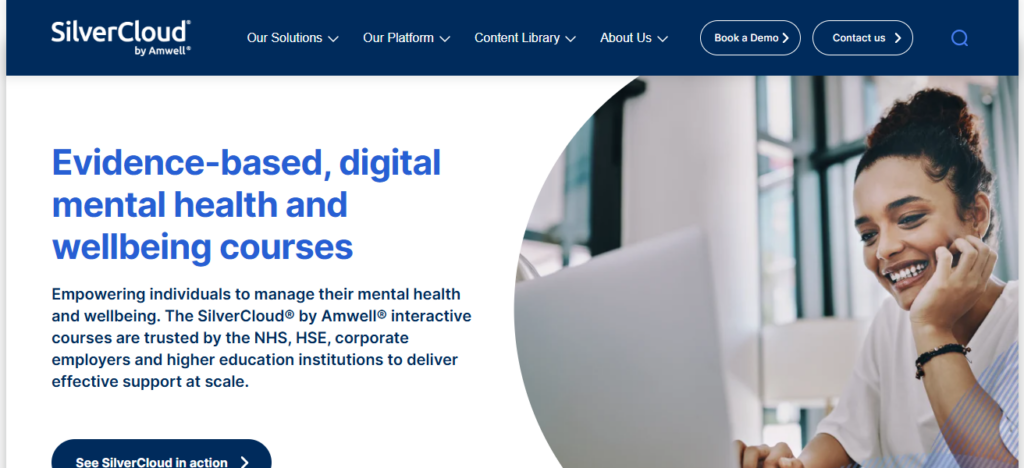
SilverCloud enables patients to access therapeutic content at their convenience. The flexibility of SilverCloud supports treatment adherence by offering personalized recommendations, tracking progress, and supplying users with interactive digital content.
Because programs offered by SilverCloud include a substantial amount of digital content, behavioral health clinics can supplement their in-person treatment without sacrificing therapeutic outcomes or satisfaction.
SilverCloud Health
| Pros | Cons |
| Extensive library of mental health programs. | Some features require clinician involvement. |
| Accessible anytime through an online platform. | Engagement levels vary by patient motivation. |
| Supports anxiety, depression, and stress management. | Internet connectivity required. |
| Proven effectiveness through clinical studies. | Customization options may be limited. |
4. Big Health
Big Health’s digital therapeutics are targeted at a limited number of behavioral health issues, including anxiety and stress, and are designed to facilitate therapy without adding to the workload of clinicians.
Because of this, clinics are enabled to reach a larger patient population with a greater degree of treatment access and therapeutics.
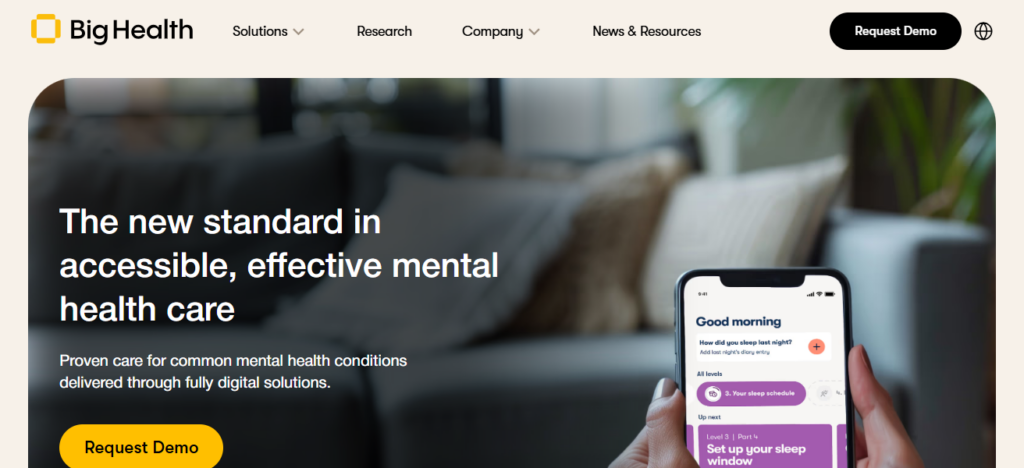
Digital content designed by Big Health encourages users to adopt the content over a sustained period.
This sustained engagement is supported by the rigorous clinical validation of the content, which is shown to significantly improve mental wellness and stress for a diverse patient population.
Big Health
| Pros | Cons |
| Effective for insomnia and anxiety treatment. | Focuses primarily on selected conditions. |
| Easy-to-use patient interface. | Not a replacement for intensive therapy. |
| Reduces clinician workload through automation. | Requires ongoing patient commitment. |
| Scalable across large patient populations. | Limited human interaction within programs. |
5. Limbix
Limbix develops digital therapeutics for adolescents and young adults with behavioral and mental health concerns. The platform uses interactive technology and engaging content infused with therapeutics to increase treatment participation.
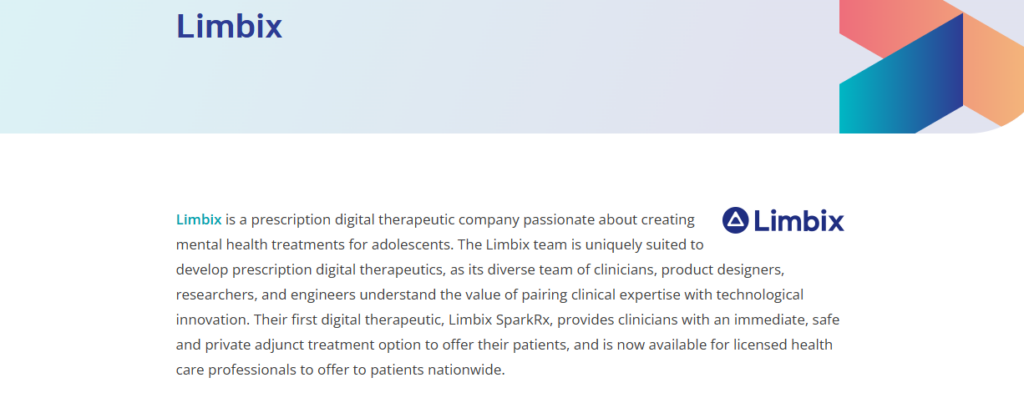
Limbix is highly sought after by behavioral health clinics, given the challenges associated with engaging youth in mental health care.
Limbix’s immersive digital experiences and targeted therapeutic interventions help patients develop coping skills and build emotional regulation and treatment participation.
Limbix
| Pros | Cons |
| Designed specifically for adolescents. | Less suitable for older adult populations. |
| Interactive tools improve engagement rates. | Requires familiarity with digital technology. |
| Encourages emotional regulation skills. | Specialized focus limits broader applications. |
| Supports youth-focused behavioral interventions. | Availability may vary by healthcare provider. |
6. Happify Health
Happify Health offers digital programs that assist users in the improvement of their emotional well-being, decrease in negative stress, and fortification of resilience.
Their platform employs interactive activities, behavioral exercises, and positive psychology in aid of therapeutic goals.

Happify Health is frequently incorporated in broader therapeutic plans by behavioral health clinics due to its ease of use and therapeutic engagement and support outside of the therapy session.
Happify Health’s focus on the prevention of mental health issues improves its integration with contemporary behavioral healthcare.
Happify Health
| Pros | Cons |
| Promotes resilience and emotional well-being. | More wellness-focused than clinical treatment. |
| Uses positive psychology techniques. | Severe cases may require additional care. |
| Self-guided and highly accessible. | Results depend on active participation. |
| Encourages healthy behavioral habits. | Some premium features may increase costs. |
7. Akili Interactive
Akili Interactive has drawn attention for its development of therapeutic video games focused on aiding cognitive functioning and attention issues.
Unlike most digital health applications, Akili makes use of therapeutic gaming as a form of interactive play and clinically validated health interventions.
The innovation has drawn praise from behavioral health clinics because it uses patient engagement to focus on specific cognitive deficits.
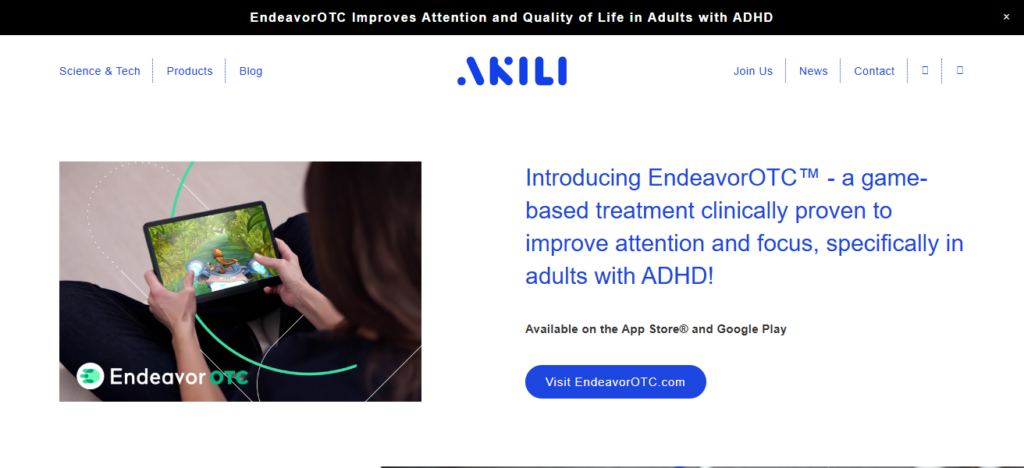
The platform is an example of the innovation within health gamification and therapeutic gaming that is focused on entertainment while providing therapeutic value.
The innovative and research-based methodology of Akili is an example of the improvements digital systems can have on both the therapeutic process of behavioral health and the cognitive health of its users.
Akili Interactive
| Pros | Cons |
| Innovative therapeutic gaming experience. | Limited focus on specific cognitive conditions. |
| High engagement among younger users. | Requires compatible devices. |
| Clinically tested cognitive interventions. | Gaming format may not appeal universally. |
| Combines entertainment with therapy. | May need clinician oversight in some cases. |
8. Woebot Health
Woebot Health made an application that offers behavioral coaching and mental health assistance through a conversational AI system.
The application is based on healthcare techniques of a cognitive behavioral framework and therapeutic interventions that lend themselves to the digital space.
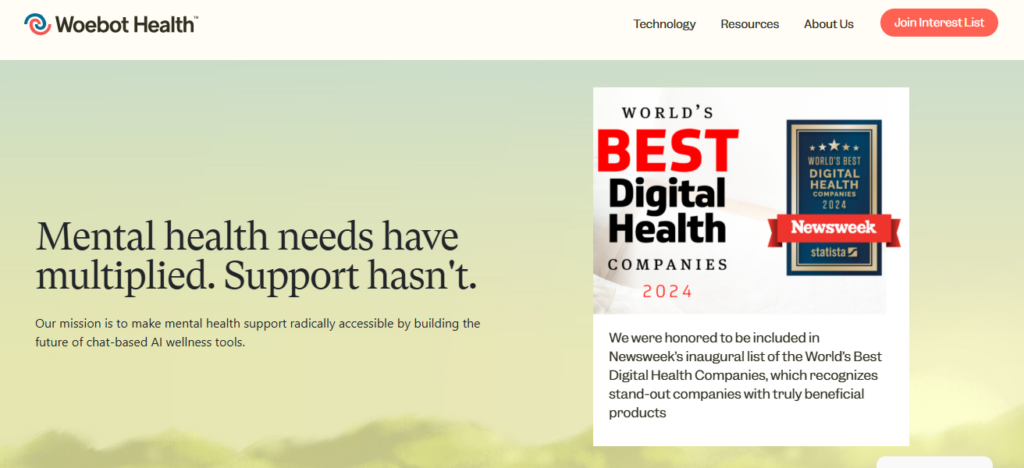
Woebot is a popular tech-based therapeutic system among behavioral health clinics because it extends the therapeutic support of the clinics between engagement sessions.
The AI use within the platform allows users to cope with their emotional and cognitive challenges of stress and anxiety in real-time.
The system’s use of AI in mental healthcare support promotes a modern and digital form of therapeutic accountability and scalability.
Woebot Health
| Pros | Cons |
| 24/7 AI-driven mental health support. | Lacks human therapist interaction. |
| Instant responses for emotional guidance. | Complex cases require professional treatment. |
| Easy access through mobile devices. | AI responses may feel impersonal. |
| Encourages regular self-reflection. | Not intended for crisis intervention. |
9. Mindstrong Health
Mindstrong Health utilizes digital behavioral markers to identify changes in users’ mental health status before symptoms become problematic in the workplace.
The program analyzes users’ patterns of smartphone usage and engagement in order to give clinicians insight into the users’ emotional health.
Behavioral health clinics value the proactive monitoring of patients and the ability to customize patient care and treatment interventions, based on the data gathered by Mindstrong Health.
This enables health care clinicians to progress from traditional mental health assessments to new care practices that are continuous and data-oriented. Mindstrong Health is the forerunner in digital behavioral health and predictive mental health care.
Mindstrong Health
| Pros | Cons |
| Enables proactive mental health monitoring. | Privacy concerns regarding behavioral data. |
| Uses innovative digital biomarkers. | Requires continuous smartphone usage tracking. |
| Supports early intervention strategies. | Advanced analytics may increase costs. |
| Provides data-driven clinical insights. | May require integration with existing systems. |
10. Better Therapeutics
Better Therapeutics makes software solutions for chronic behavioral health and wellness issues. Better Therapeutics utilizes the integration of behavioral science with digital personalized coaching to make lasting behavioral changes to wellness.
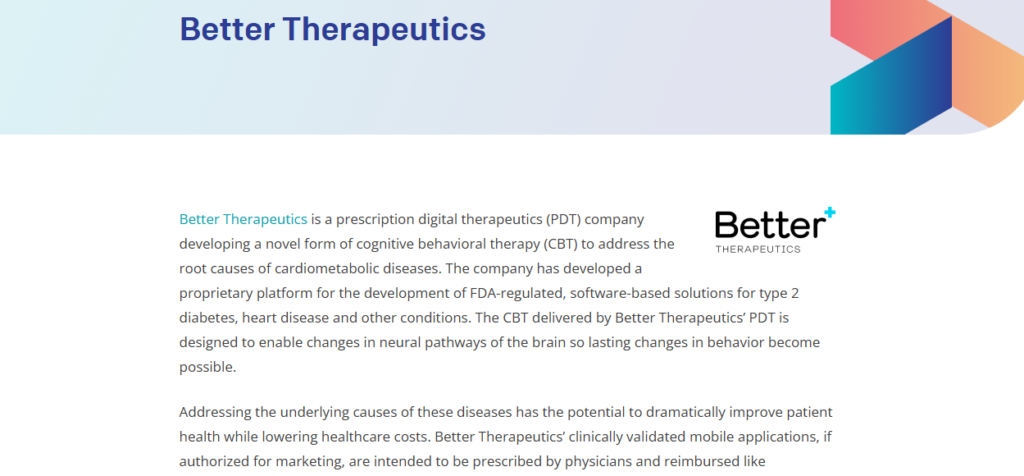
Behavioral health clinics appreciate Better Therapeutics because its approach integrates the management of chronic end-stage health issues.
Better Therapeutics is evidence-based and promotes patient self-management of health while enhancing care and treatment offered by clinicians.
Better Therapeutics continues to offer more digital health solutions as the need for non-pharmaceutical interventions increases.
Better Therapeutics
| Pros | Cons |
| Focuses on sustainable behavior change. | Requires long-term patient engagement. |
| Non-pharmaceutical treatment approach. | Effectiveness varies among individuals. |
| Encourages self-management skills. | Not suitable for acute mental health crises. |
| Evidence-based behavioral interventions. | Digital adoption barriers may exist. |
Conclsuion
In summary, the Best Digital Therapeutics (DTx) Platforms for Behavioral Health Clinics accelerate the evolution of mental health care with solutions digitally based and verified.
DTx solutions can foster greater patient engagement, relieve the burden on providers, and increase the effectiveness of programs to treat anxiety, depression, and addiction.
DTx combines artificial intelligence, the science of behavior and mobile technology. It enables use on an unprecedented scale, an essential element of the services of the future.
FAQ
What are Digital Therapeutics (DTx) platforms?
DTx platforms are software-based medical interventions designed to treat mental and behavioral health conditions.
How do DTx platforms support behavioral health clinics?
They enhance patient engagement, improve outcomes, and extend therapy beyond clinical sessions.
Are DTx platforms clinically proven?
Yes, many platforms are backed by clinical trials and evidence-based research studies.
Can DTx replace traditional therapy?
No, they are designed to support and complement in-person or virtual therapy.
