


In this article, I’ll be going over the Top Robinhood Gold Card Competitors for 3% US Cash Back, including their cash-back rates, rewards, annual fees, pros, and cons.
You’ll learn which credit cards earn good rewards on everyday spending, groceries, dining, travel and online shopping so you can choose the best option based on your spending habits and financial objectives.
Key Points & Top Robinhood Gold Card Rivals for 3% US Cash Back
| Credit Card | Explanation |
|---|---|
| Wells Fargo Active Cash® Card | Earns unlimited 2% cash rewards on purchases, offering simple everyday spending value. |
| Citi Double Cash® Card | Earns 2% total cash back: 1% when purchasing, 1% when paying. |
| Bank of America® Unlimited Cash Rewards | Earns unlimited 1.5% cash back, with preferred rewards potentially increasing returns significantly. |
| Amazon Prime Visa | Earns 5% at Amazon and Whole Foods with Prime, plus additional category rewards. |
| Costco Anywhere Visa® Card by Citi | Earns 4% eligible gas, 3% dining and travel, and 2% Costco purchases. |
| Discover it® Cash Back | Earns 5% rotating quarterly categories after activation, subject to spending limits and conditions. |
| Chase Freedom Flex® | Earns 5% rotating categories, 3% dining and drugstores, plus additional travel rewards. |
| Chase Freedom Unlimited® | Earns 1.5% minimum cash back, plus higher rewards on dining and travel. |
| Bank of America® Customized Cash Rewards | Earns 3% in your chosen category, plus 2% groceries and wholesale clubs. |
| Wells Fargo Autograph® Card | Earns 3X points on dining, travel, gas, transit, streaming, and phone plans. |
| American Express Blue Cash Everyday® Card | Earns 3% at US supermarkets, US gas stations, and eligible US online retail. |
| American Express Blue Cash Preferred® Card | Earns 6% at US supermarkets and eligible streaming, plus 3% transit purchases. |
| Capital One Savor Cash Rewards Credit Card | Earns 3% on dining, entertainment, streaming, and grocery purchases, excluding superstores. |
| U.S. Bank Smartly™ Visa Signature® Card | Earns up to 4% cash back depending on eligible U.S. Bank deposit balances. |
| Fidelity Rewards Visa Signature Card | Earns unlimited 2% cash back when deposited into an eligible Fidelity account. |
15 Top Robinhood Gold Card Rivals for 3% US Cash Back
1. Wells Fargo Active Cash® Card
Wells Fargo Active Cash® Card For consumers who want steady rewards without the hassle of keeping track of spending categories, the Wells Fargo Active Cash® Card is a no-nonsense option. It offers unlimited 2% cash back on purchases and is ideal for groceries, bills, shopping and daily expenses.
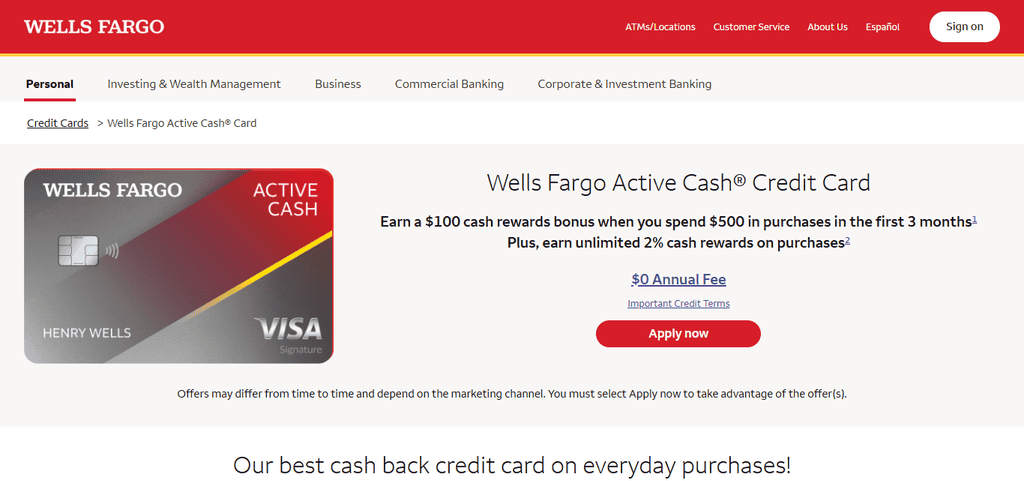
It has an annual fee of $0 and new eligible cardholders can earn a welcome bonus after meeting the required spending conditions. The card also features introductory APR deals on qualifying purchases and balance transfers, as per the current terms.
Its regular cash-back rate is less than Robinhood Gold’s 3%, but it has no paid membership and features easy, unlimited rewards. Users who value predictability and low upkeep will appreciate this
Wells Fargo Active Cash® Card
| Pros | Cons |
|---|---|
| Flat 2% on all purchases | Only 2%, a full point below Robinhood |
| $0 annual fee | Foreign transaction fee (about 3%) |
| 0% intro APR period and a welcome bonus (offer varies) | Foreign-purchase and variable-APR terms apply after the intro |
| Cell phone protection when you pay your bill with the card | No bonus categories |
2. Citi Double Cash® Card
The Citi Double Cash® Card is appealing for those who want simple, consistent rewards on all their everyday spending, with no category restrictions. It earns 2% total cash back, 1% when purchases are made and another 1% when those purchases are paid off. Citi Travel allows you to earn additional rewards on eligible hotel bookings, car rentals and attractions.
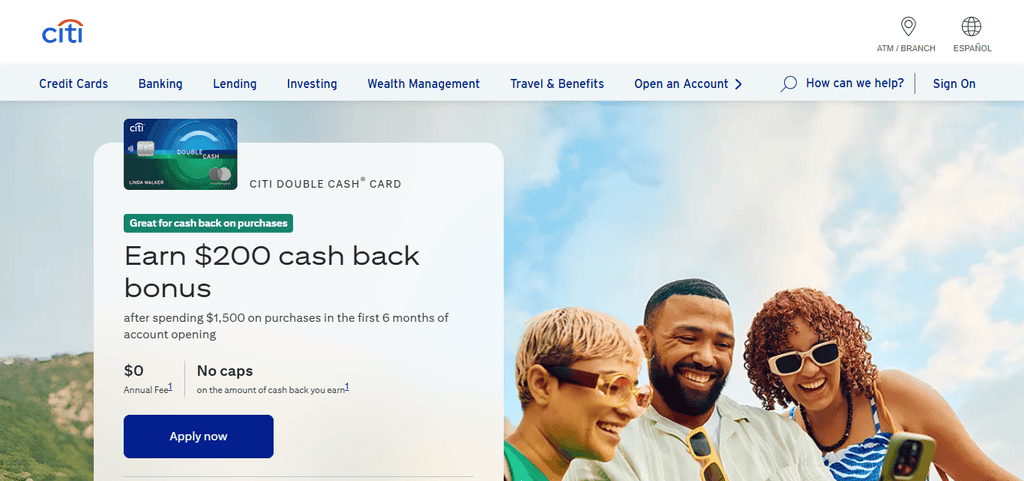
The card comes with no annual fee, and rewards can be redeemed through statement credits, direct deposit, and checks. It makes less on regular transactions than Robinhood Gold’s 3% rate on eligible purchases. But its no-fee structure and simple earning system make it a practical alternative.
Citi Double Cash® Card
| Pros | Cons |
|---|---|
| 2% total (1% when you buy, 1% when you pay) | You must pay the bill to earn the full 2% |
| $0 annual fee | 3% foreign transaction fee |
| Simple, no categories or caps | Usually no large welcome bonus |
| Can convert cash back to ThankYou points for transfers if paired with a Citi points card | Rewards are less flexible if you don’t hold other Citi cards |
3. Bank of America® Unlimited Cash Rewards
If you like to earn rewards automatically on purchases you make every day, consider the Bank of America® Unlimited Cash Rewards credit card. You get unlimited 1.5% cash back on all of your purchases, no categories to activate. There is no annual fee and you can usually continue to get cash rewards for as long as the account is open.
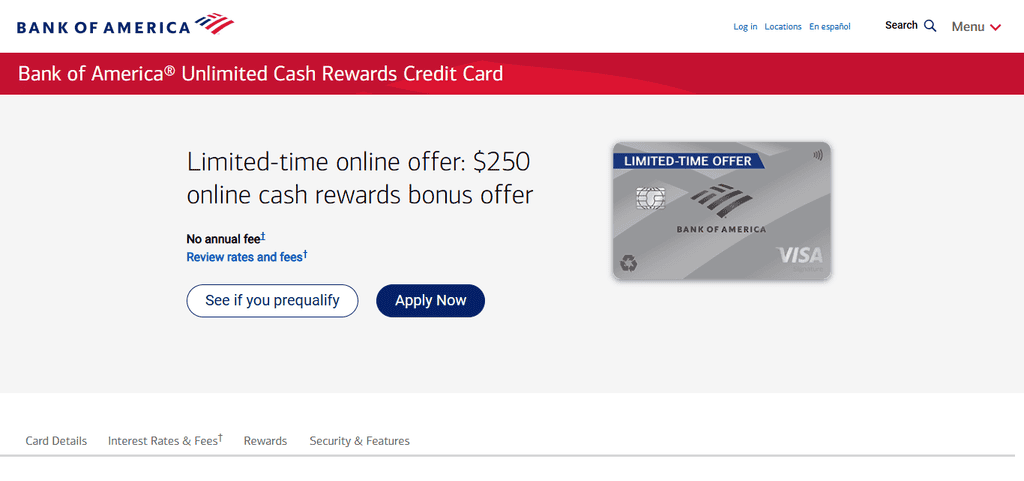
New applicants who are eligible may also qualify for a welcome bonus as part of the issuer’s current offer. This card can be particularly helpful for current Bank of America customers who want to keep their banking and credit-card activity in one place. Though its base rate is lower than the 3% offered by Robinhood Gold, the simple rewards structure makes it a good option to use for regular spending.
Bank of America® Unlimited Cash Rewards
| Pros | Cons |
|---|---|
| Flat 1.5% on everything | Base rate is below 2% cards |
| Preferred Rewards members can boost it by 25% to 75% (up to about 2.6%) | The boost needs a large BofA or Merrill balance |
| $0 annual fee, 0% intro APR period | 3% foreign transaction fee |
| Welcome bonus (offer varies) | No bonus categories |
4. Amazon Prime Visa
The Amazon Prime Visa is a solid contender for consumers that regularly shop at Amazon and use Whole Foods Market. Eligible Prime members receive 5% back at Amazon and Whole Foods Market, as well as additional rewards on qualifying purchases in other categories.
The card usually comes with no annual fee, but the Prime version requires an Amazon Prime membership, which has its own fee. Rewards can help offset regular household shopping costs, especially for frequent Amazon shoppers.
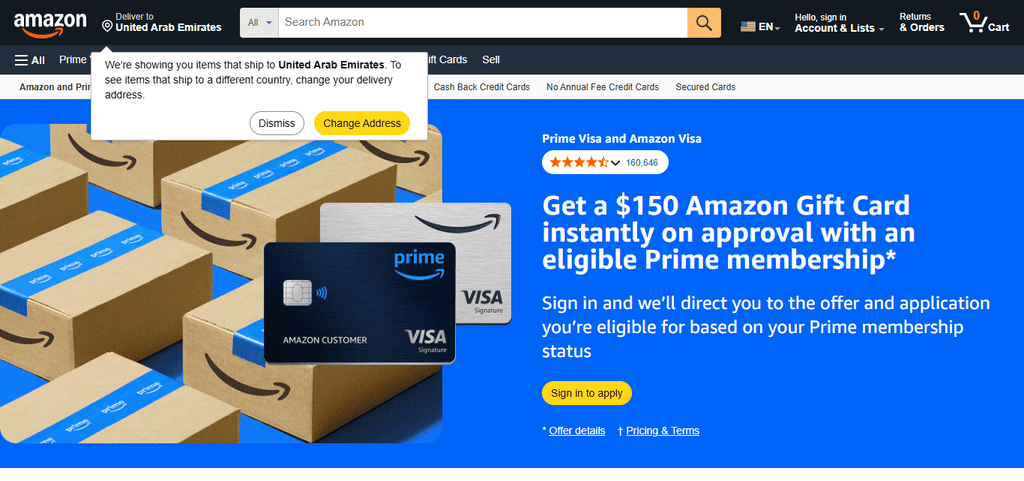
Unlike Robinhood Gold’s wider 3% structure for eligible purchases, the Prime Visa directs its best return toward Amazon-related spending. It’s especially appealing to shoppers who already have Prime membership.
Amazon Prime Visa
| Pros | Cons |
|---|---|
| 5% back at Amazon and Whole Foods Market with Prime | Requires an Amazon Prime membership |
| 2% at restaurants, gas stations, and drugstores | Only 1% on everything else |
| $0 annual fee, no foreign transaction fees | Rewards are best for Amazon-heavy shoppers |
| Welcome offer is typically an Amazon gift card | Rewards are redeemed mainly through Amazon |
5. Costco Anywhere Visa® Card by Citi
The Costco Anywhere Visa® Card by Citi is made for Costco members who want to earn rewards on fuel, dining, travel and warehouse purchases. It earns 5% cash back on eligible gas purchases at Costco and 4% on other eligible gas and electric-vehicle charging purchases, combined up to $7,000 annually before the rate drops to 1%.
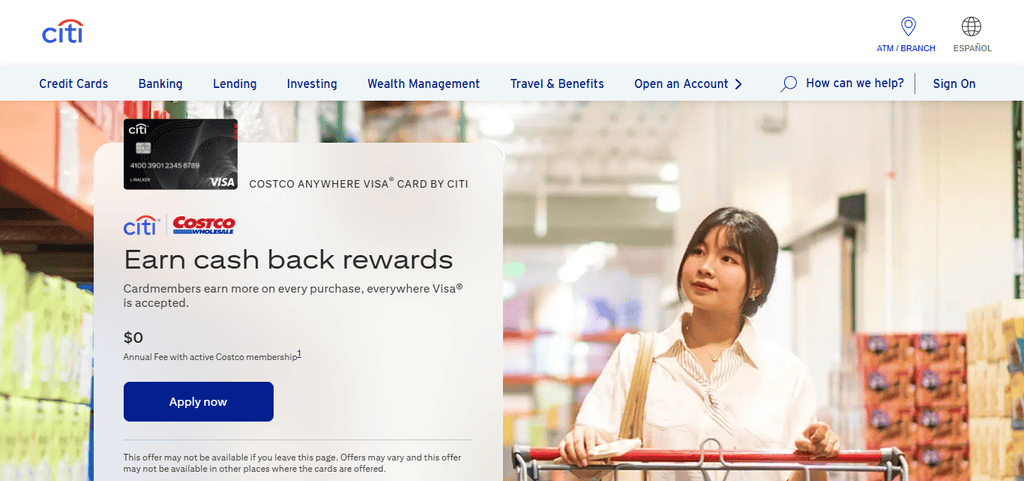
Cardholders also receive 3% cash back on eligible restaurants and travel, 2% cash back on purchases at Costco and 1% cash back on all other purchases. It has a $0 annual fee if you have an active Costco membership. Rewards are normally given as a certificate once a year. Its targeted higher rates can beat Robinhood Gold in select categories, particularly fuel and dining
Costco Anywhere Visa® Card by Citi
| Pros | Cons |
|---|---|
| 5% on Costco gas, 4% on other gas and EV charging (annual caps apply) | Requires a paid Costco membership |
| 3% on restaurants and travel | Only 1% on general spending |
| 2% at Costco and Costco.com | Rewards come as an annual certificate redeemable only at Costco |
| No annual fee beyond the Costco membership, no foreign transaction fees | Gas bonus drops to 1% after the cap |
6. Discover it® Cash Back
The Discover it® Cash Back credit card is for consumers who are willing to activate rotating categories to earn the most rewards. After activation, it earns 5% cash back on up to the applicable quarterly spending limit on eligible purchases in quarterly bonus categories. All other eligible purchases earn 1% cash back.
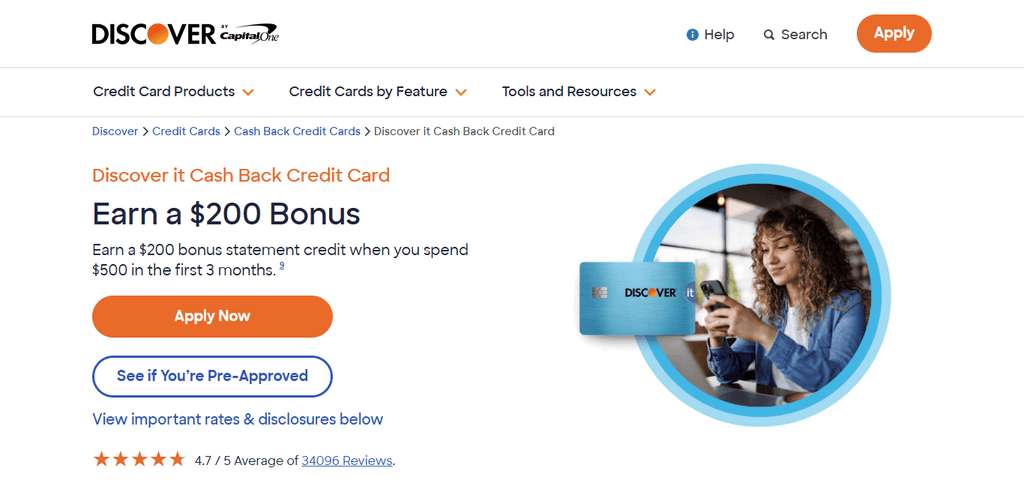
There’s no annual fee on this card and new cardholders who qualify can take advantage of Discover’s first-year Cashback Match offer, subject to its terms. This match can greatly increase first year rewards.
Robinhood Gold pays 3% on eligible purchases, while Discover requires planning around shifting categories. But shoppers who spend a lot in featured categories can earn a lot more cash back.
Discover it® Cash Back
| Pros | Cons |
|---|---|
| 5% on rotating quarterly categories (on up to $1,500 per quarter once activated) | Categories change and must be activated every quarter |
| Cashback Match doubles all your first-year cash back | Only 1% outside the bonus categories |
| $0 annual fee, no foreign transaction fees | Discover is accepted at fewer merchants abroad |
| Strong customer service and US-based support | Rotating categories need active management |
7. Chase Freedom Flex®
The Chase Freedom Flex® credit card combines rotating bonus categories with consistent rewards on everyday purchases. 5% cash back in eligible rotating categories (activation required) on up to $1,500 in combined purchases in those categories each quarter. The card also earns 5% on eligible travel booked through Chase Travel, 3% on dining and drugstores and 1% on other purchases.
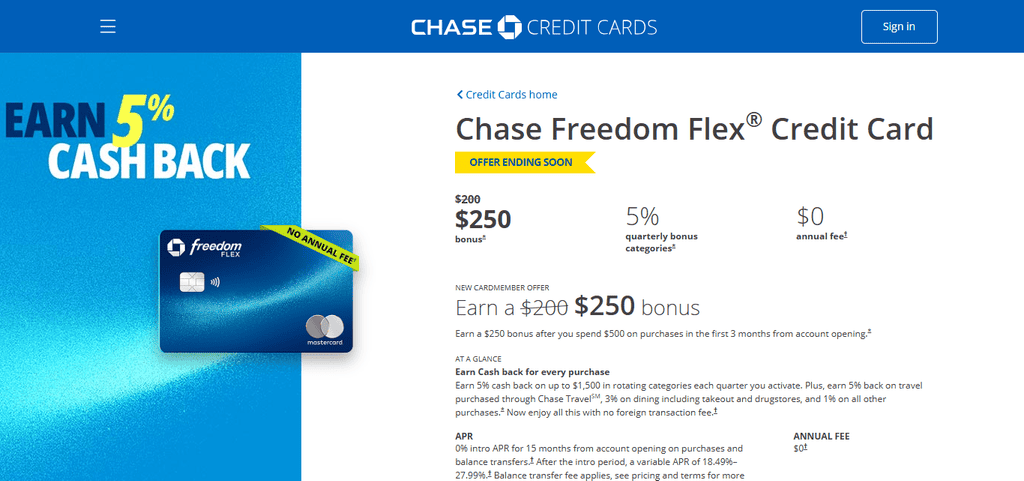
A plus for consumers who want varied rewards and don’t want to pay an annual card fee is the lack of an annual fee. Chase Freedom Flex vs. Robinhood Gold: Which is better? Chase Freedom Flex can give you higher returns in selected categories than Robinhood Gold, but you need to activate it quarterly and be mindful of your spending.
Chase Freedom Flex®
| Pros | Cons |
|---|---|
| 5% on rotating categories (quarterly cap), 5% on travel booked through Chase | Rotating categories need activation |
| 3% on dining and drugstores | Only 1% on everything else |
| $0 annual fee, plus a welcome bonus | 3% foreign transaction fee |
| Points can transfer to premium Chase cards for extra value | Best value needs a second Chase card |
8. Chase Freedom Unlimited®
If you’re looking for a flexible credit card that rewards you for everyday spending and selected bonus categories, consider the Chase Freedom Unlimited®. It usually gets 1.5% cash back on most purchases, 3% cash back on dining and drugstore purchases, and 5% cash back on eligible travel booked through Chase Travel.
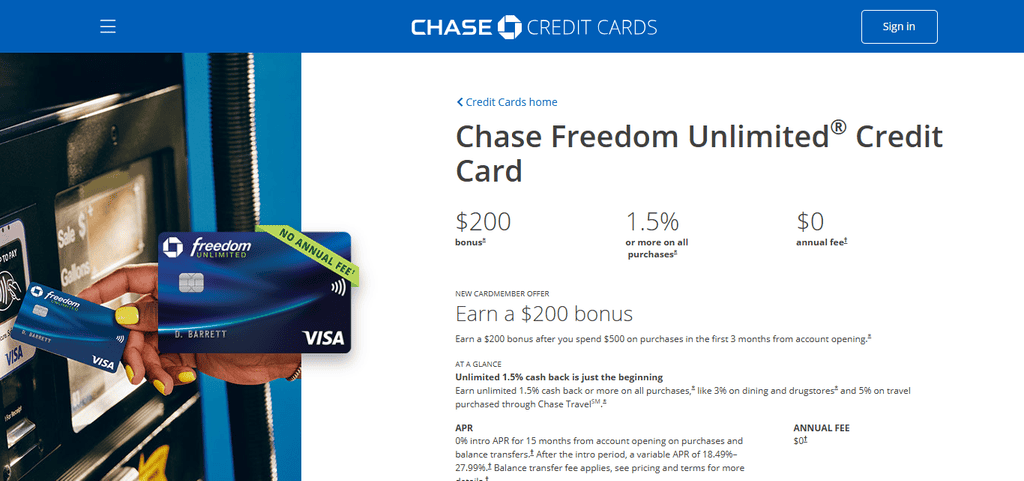
There is no annual fee, meaning you earn rewards without paying a yearly card fee. The current offer may also contain a welcome bonus for eligible new applicants. While its standard rate is less than Robinhood Gold’s 3%, its higher dining, drugstore, and travel rewards offer helpful category-specific perks. It attracts consumers who want flexible, no-fuss rewards.
Chase Freedom Unlimited®
| Pros | Cons |
|---|---|
| 1.5% on everything, no activation | Base rate is below 2% cards |
| 3% on dining and drugstores | 3% foreign transaction fee |
| 5% on Chase Travel, and 5% on Lyft through September 30, 2027 | Bonus categories are narrow |
| $0 annual fee, sign-up bonus, and Chase points flexibility | Points value is highest only when paired with a Sapphire card bankrate |
9. Bank of America® Customized Cash Rewards
The Bank of America® Customized Cash Rewards credit card allows cardholders to choose a category of their spending to earn additional rewards. 3% cash back in a category of your choice, 2% at grocery stores and wholesale clubs, and 1% on all other purchases.
The selected category can earn an additional 3% in the current introductory 1st year offer, bringing the cash back to 6% within applicable limits. The 3% and 2% categories combined have a spending limit of $2,500 per quarter.
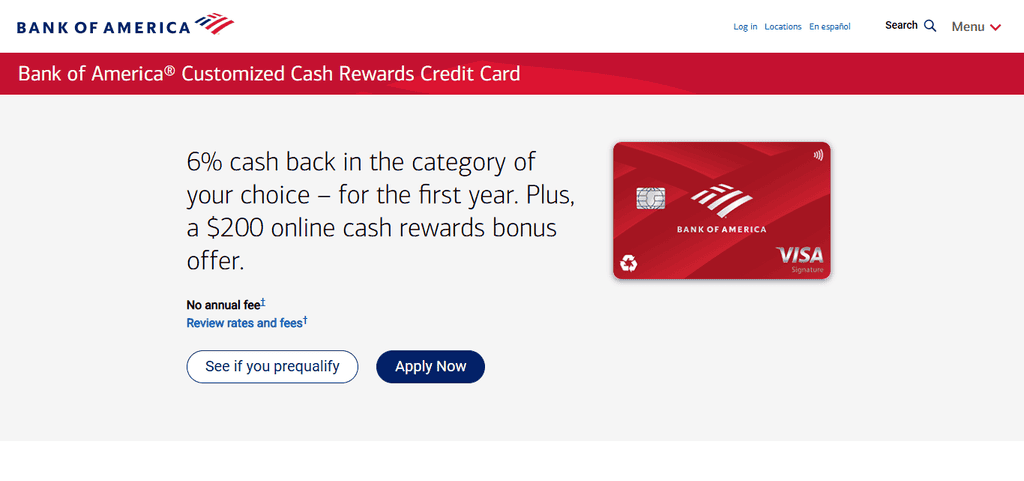
Annual Fee $0. Unlike Robinhood Gold’s across the board 3% rate, this card targets select spending categories and requires some category management, but can deliver higher returns in those categories.
Bank of America® Customized Cash Rewards
| Pros | Cons |
|---|---|
| 3% in a category you choose (gas, online shopping, dining, travel, drugstores, or home improvement) | The 3% and 2% bonuses share a combined quarterly cap |
| 2% at grocery stores and wholesale clubs | Only 1% on everything else |
| Preferred Rewards members can boost rewards by 25% to 75% | The boost needs a large BofA or Merrill balance |
| $0 annual fee, 0% intro APR period | 3% foreign transaction fee |
10. Wells Fargo Autograph® Card
The Wells Fargo Autograph® Card is designed for consumers who always spend in dining, travel, fuel, transit, streaming and mobile phone plans. You’ll earn 3X the points on eligible purchases in those categories and 1X the points on all other purchases.
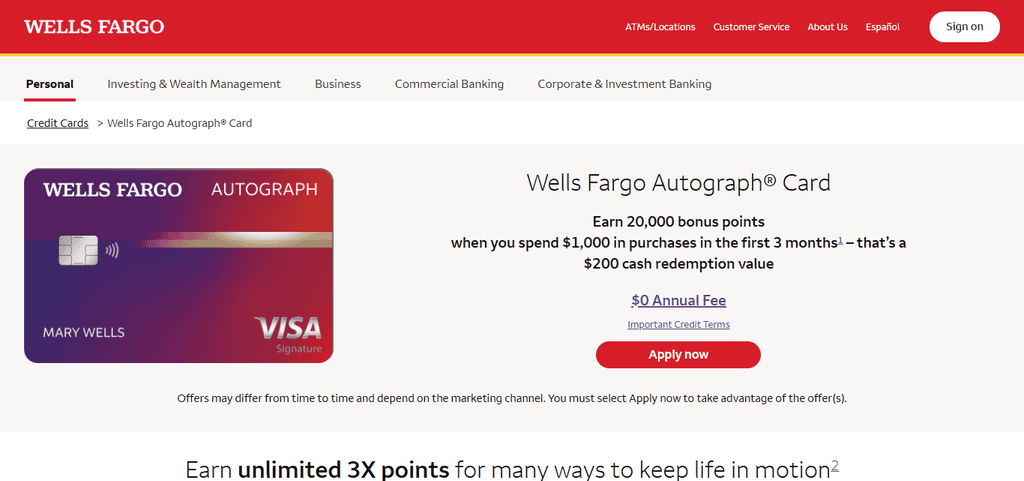
Points can be redeemed for cash back, statement credits, gift cards and travel, among other choices, subject to the rewards program’s terms. It has no annual fee, which is ideal for those looking for category-focused rewards without the annual card fee.
Autograph matches the headline earning rates of Robinhood Gold for several categories. Depending on how you redeem, points don’t always equate to 3% in cash back.
Wells Fargo Autograph® Card
| Pros | Cons |
|---|---|
| 3X points on restaurants, travel, gas, transit, popular streaming, and phone plans | Only 1X on everything else |
| $0 annual fee, no foreign transaction fees | Rewards are points, not straight cash back |
| Cell phone protection and a welcome bonus | Points are worth about 1 cent each, with fewer redemption options |
| 0% intro APR period | Less useful if your spending doesn’t fit the bonus categories |
11. American Express Blue Cash Everyday® Card
The American Express Blue Cash Everyday® Card is made for consumers who often buy groceries, gas and shop online. You’ll earn 3% cash back on eligible purchases at U.S. supermarkets, U.S. gas stations and on U.S. online retail purchases, with each category having a $6,000 annual spending cap before the rate drops to 1%.
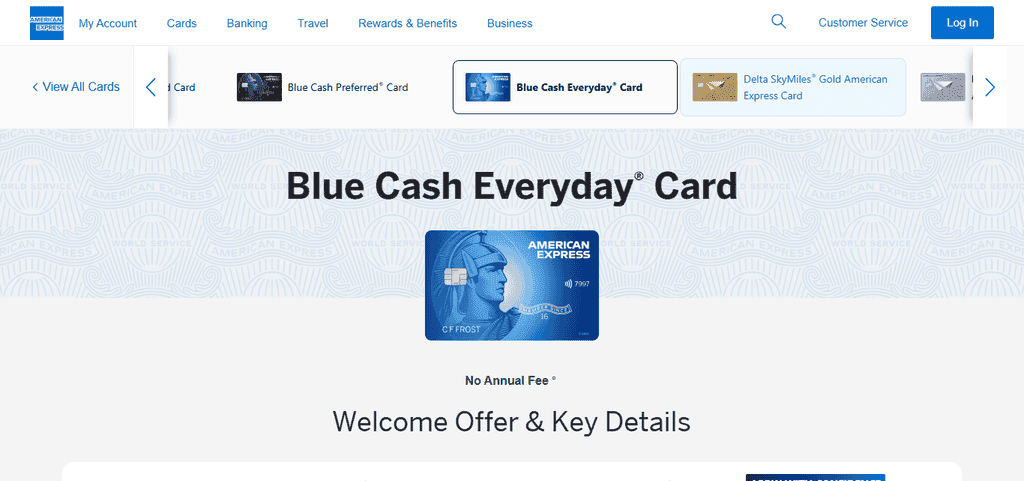
All other eligible purchases typically earn 1% cash back. There is a $0 annual fee, so it’s a good option for families who want to save by category without an annual card membership. This card matches Robinhood Gold’s 3% rate in three key spending categories, but it doesn’t offer that rate on all eligible purchases.
American Express Blue Cash Everyday® Card
| Pros | Cons |
|---|---|
| 3% at U.S. supermarkets, U.S. gas stations, and U.S. online retail (annual caps apply) | Only 1% on everything else |
| $0 annual fee | About 2.7% foreign transaction fee |
| Welcome offer and a 0% intro APR period | Superstores like Walmart and Target aren’t counted as supermarkets |
| Rewards come as statement credits | Amex is accepted at fewer merchants than Visa and Mastercard |
12. American Express Blue Cash Preferred® Card
The American Express Blue Cash Preferred® Card is a good fit for households that spend a lot on groceries, streaming services, transportation and gas. You’ll earn 6% cash back at eligible U.S. supermarkets on up to $6,000 per year in purchases and 6% on eligible select streaming subscriptions.
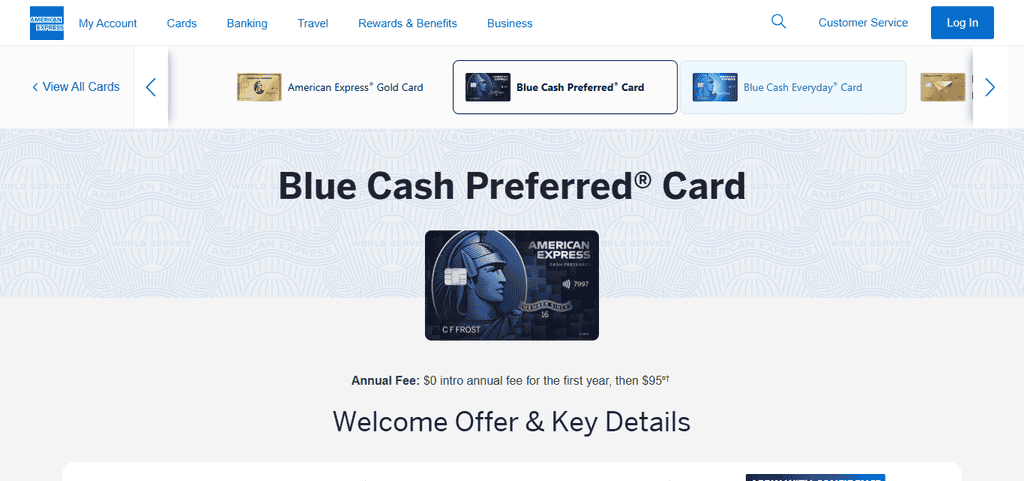
The card also provides 3% cash back on eligible U.S. gas station purchases and transit, while other eligible purchases earn 1% cash back. The current offer is $0 for the first year and then a $95 annual fee. Its grocery and streaming rewards are higher and could yield more value to qualifying households than Robinhood Gold, but consider the annual fee and spending limits.
American Express Blue Cash Preferred® Card
| Pros | Cons |
|---|---|
| 6% at U.S. supermarkets (on up to $6,000 per year) | $0 intro annual fee for the first year, then $95 |
| 6% on select U.S. streaming subscriptions | Grocery rate drops to 1% after the cap |
| 3% on transit and U.S. gas stations | About 2.7% foreign transaction fee |
| Strong welcome offer | Superstores and warehouse clubs are excluded from the grocery category |
13. Capital One Savor Cash Rewards Credit Card
If you spend a lot on dining, groceries, entertainment and streaming services, the Capital One Savor Cash Rewards Credit Card is a good fit. Earn 3% cash back on eligible groceries, dining, entertainment and popular streaming services and 1% on other eligible purchases.
You can also earn higher rewards on qualifying bookings made through Capital One Travel, including 5% on eligible hotels, vacation rentals and rental cars.
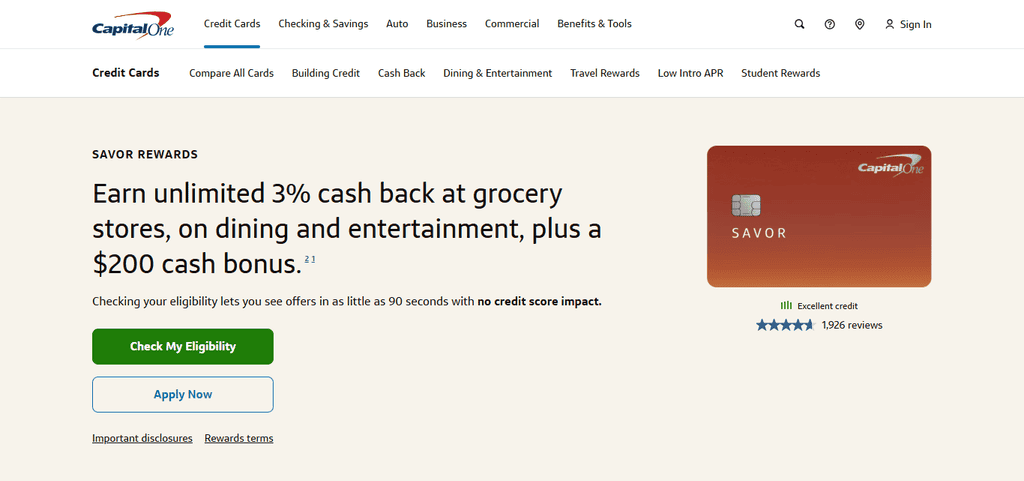
is no annual fee and eligible new cardmembers can earn a welcome bonus when they reach the required spending threshold. Unlike Robinhood Gold, which pays 3% on all eligible purchases, Savor focuses on lifestyle categories.
Capital One Savor Cash Rewards Credit Card
| Pros | Cons |
|---|---|
| 3% on dining, entertainment, popular streaming, and groceries | Only 1% on general spending |
| Higher rates on Capital One Entertainment and Capital One Travel bookings | The highest rates apply only through Capital One’s own portals |
| $0 annual fee, no foreign transaction fees | Superstores are excluded from the grocery category |
| Welcome bonus (offer varies) | No 0% intro APR on purchases |
14. U.S. Bank Smartly™ Visa Signature® Card
The U.S. Bank Smartly™ Visa Signature® Card is a good option for consumers who want to earn cash back on everyday spending and who can maintain qualifying balances with U.S. Bank. There’s also unlimited 2% cash back on eligible purchases, with the opportunity to boost that rate to 2.5%, 3% or 4% based on qualifying deposit balances and account requirements.
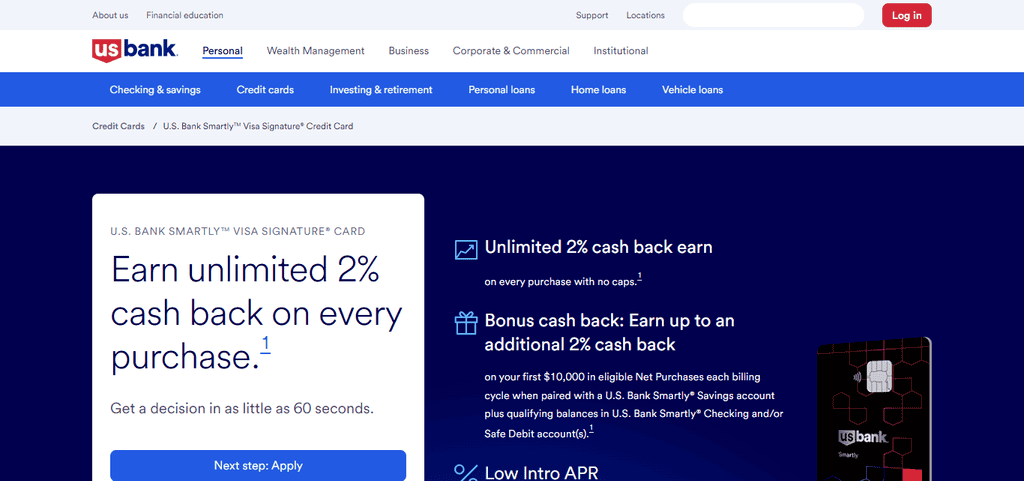
“Further rewards are subject to program conditions and caps on eligible spending. Annual fee $0. Robinhood Gold’s 3% rate. Smartly can match or beat that 3% rate for eligible customers with adequate balances. However, the requirement of a banking relationship may make it less attractive for consumers who do not want to transfer their savings.
U.S. Bank Smartly™ Visa Signature® Card
| Pros | Cons |
|---|---|
| Flat 2% base, which can rise with qualifying U.S. Bank balances | The best rate needs large assets held at U.S. Bank |
| $0 annual fee | Most people get only the base 2% |
| Simple flat-rate structure | Foreign transaction fee applies |
| Good option for existing U.S. Bank customers | Weaker choice if you have no relationship with the bank |
15. Fidelity Rewards Visa Signature Card
The Fidelity Rewards Visa Signature® Card is a good option for consumers looking to turn their everyday spending into savings or investments. It pays 2% cash back on eligible purchases when rewards are deposited into an eligible Fidelity account, with no advertized category restrictions or rewards caps to this earning structure.
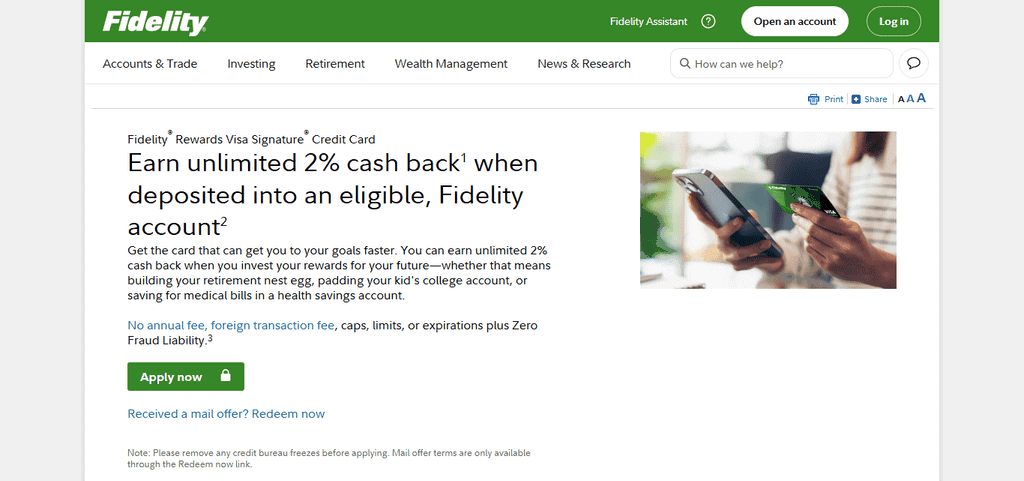
There is no annual fee, and it is also marketed as having no foreign transaction fee. Redemption destinations must be eligible Fidelity brokerage, retirement, cash management and other accounts.
The standard return from Fidelity is lower than the 3% you’ll earn with Robinhood Gold, but its rewards can help you build an investment portfolio on autopilot. It’s especially handy for customers with existing Fidelity accounts.
Fidelity Rewards Visa Signature Card
| Pros | Cons |
|---|---|
| Flat 2% on all purchases | Rewards must be deposited into an eligible Fidelity account |
| $0 annual fee, no foreign transaction fees | Less useful if you don’t use Fidelity |
| Cash back can go straight into investments | No major welcome bonus |
| Simple, no categories or caps | Doesn’t match Robinhood’s 3% |
Conclusion
To summarize, the Top Robinhood Gold Card Alternatives for 3% US Cash Back offer great rewards for all kinds of spending habits. Cards from Wells Fargo, Chase, Citi and American Express deliver valuable benefits on everyday purchases, groceries, dining and travel
Compare cash-back rates, annual fees, spending limits and eligibility requirements before choosing a card to ensure it fits your financial objectives best.
FAQ
Which credit card is the best alternative to Robinhood Gold?
Wells Fargo Active Cash offers unlimited 2% cash back without annual fees.
Which credit card offers 3% cash back on purchases?
Robinhood Gold offers 3% on eligible purchases with a paid membership.
Does Wells Fargo Active Cash charge annual fees?
No, Wells Fargo Active Cash has no annual fee for cardholders.
How does Citi Double Cash earn rewards?
Citi Double Cash earns 1% when purchasing and 1% when paying.