

In this article, you will find the Top Indicators That a neighborhood’s property value is about to boom. These growth signals will aid an investor, homeowner, or buyer in pinpointing lucrative real estate options in a neighborhood even before the price surges.
Understanding these signs will show where long-term property appreciation is most likely to occur in 2026. These signs include the growth of employment, the development of infrastructure, the growth in retail, and the improvement of transport systems.
Key Points & Top Indicators That a Neighborhood Property Value Is About To Boom
| Indicator | Explanation |
|---|---|
| Infrastructure Development | New infrastructure projects attract investors, businesses, residents, increasing neighborhood property values rapidly. |
| Employment Growth | Expanding nearby job opportunities increase housing demand and long-term neighborhood market growth significantly. |
| Trendy Businesses Opening | Popular cafes, restaurants, boutiques signal growing demand and stronger neighborhood desirability among buyers. |
| Public Transportation Expansion | Improved transportation access increases convenience, attracting commuters, investors, and higher-paying residents consistently. |
| Better Educational Facilities | New schools and colleges attract families seeking stable, valuable residential communities nearby. |
| Home Renovation Activity | Increasing renovation projects indicate investor confidence and improving neighborhood property market conditions overall. |
| Lower Crime Rates | Government redevelopment projects improve infrastructure and public spaces, increasing nearby real estate values dramatically. |
| Retail And Shopping Expansion | New shopping centers improve convenience and employment opportunities, boosting local housing market attractiveness significantly. |
| Rising Rental Demand | Higher rental demand signals population growth and increasing future neighborhood property appreciation opportunities. |
| Government Redevelopment Plans | Government redevelopment projects improve infrastructure, public spaces, increasing nearby real estate values dramatically. |
Top Indicators That a Neighborhood Property Value Is About To Boom
1. Infrastructure Development
Large-scale infrastructure projects are changing most cities around the world and the suburbs adjacent to these are evolving into some of the most lucrative investment opportunities. We see new highways, metro systems, airports, smart roads, and more recently, skyways.
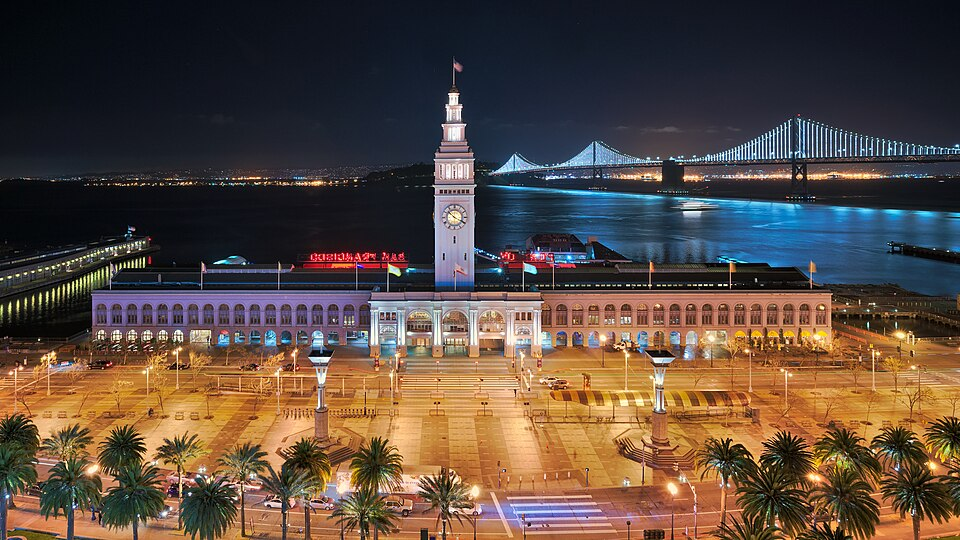
These changes improve the speed and accessibility for residents and businesses. By 2026, the rapid infrastructure growth in the suburbs and Tier-2 cities in India is expected to contribute most to the appreciation of real estate.
Therefore, investors are focusing more on suburbs and Tier-2 cities that major infrastructure projects are likely to, as real estate prices normally appreciate once infrastructure is completed and businesses start moving into the area.
Infrastructure Development
| Features | Benefits |
|---|---|
| Metro rail and highway expansion projects improve regional accessibility rapidly | Increases property demand from commuters, investors, and commercial businesses significantly |
| Smart city infrastructure upgrades modernize roads, drainage, and public utilities efficiently | Creates attractive residential environments with stronger long-term investment appreciation potential |
| Airport and transportation corridor developments attract multinational business investments nearby | Boosts commercial activity, employment opportunities, and the surrounding housing market growth consistently |
| Improved connectivity reduces travel times between residential and business districts dramatically | Encourages higher buyer interest and faster real estate price appreciation trends |
2. Employment Growth
Rapid growth in the number of businesses operating in the area is an excellent sign that property values will increase. That’s because as more businesses open, employees begin to move closer to work.
This is especially true for technology parks, financial districts, manufacturing hubs, and business incubators. By 2026, the Tier-2 cities in India that are benefiting from the growth of the IT sector, logistics, and corporate investment are likely to see residential properties appreciate more than cities that are more stagnant.
Thus, the areas that are adjacent to large-scale office buildings tend to attract the largest and most expensive housing developments, as well as retail buildings. Investors looking to earn income from the workforce that is moving to more economically active areas also see these projects as an excellent opportunity.
Employment Growth
| Features | Benefits |
|---|---|
| Technology parks and startup hubs create thousands of new employment opportunities annually | Attracts skilled professionals seeking nearby residential properties and rental accommodations |
| Corporate office expansion increases local economic activity and consumer spending continuously | Supports stronger housing demand and sustainable neighborhood property appreciation over time |
| Manufacturing and logistics hubs improve regional employment stability and workforce migration significantly | Creates long-term demand for affordable and premium residential developments nearby consistently |
| Growing business ecosystems attract investors searching for profitable real estate investment opportunities strategically | Increases rental occupancy rates and future resale property value potential considerably |
3. Trendy Businesses Opening
The construction of luxury gyms, cafes, coworking spaces, boutique stores, and other entertainment options is one of the early signs that a neighborhood is changing and that property values will eventually significantly appreciate.

It is also an attractive sign for business owners. Fitness-oriented, lifestyle-based businesses attract high-income individuals to the area. By 2026, real estate professionals will likely be watching changing lifestyle districts closely, as the business offerings are likely to provide a boost to local growth and consumer demand.
Smart investors’ confidence increases when trendy brands and aspirational restaurants move into previously overlooked neighborhoods. This is reflected in a surge in demand for residential properties and a growth in the appreciation potential for commercial property. This data comes from Cushman & Wakefield.
Trendy Businesses Opening
| Features | Benefits |
|---|---|
| Luxury cafes and boutique stores improve neighborhood lifestyle attractiveness for residents | Attracts younger professionals and high-income buyers into developing residential communities |
| Coworking spaces encourage entrepreneurial growth and digital business activity within neighborhoods | Encourages investor confidence and accelerates the surrounding property market appreciation rapidly |
| Entertainment venues and fitness centers create modern urban lifestyle experiences successfully | Boosts local desirability and strengthens long-term commercial investment opportunities significantly |
| Premium restaurants entering overlooked areas signal future neighborhood economic transformation clearly | Encourages investor confidence and accelerates surrounding property market appreciation rapidly |
4. Public Transportation Expansion
Speedy public transportation changes the dynamics of real estate development for many neighborhoods across major global cities. Within a network of connected metro and rail services, the value of real estate grows, as transportation brings more of the population into previously remote neighborhoods.
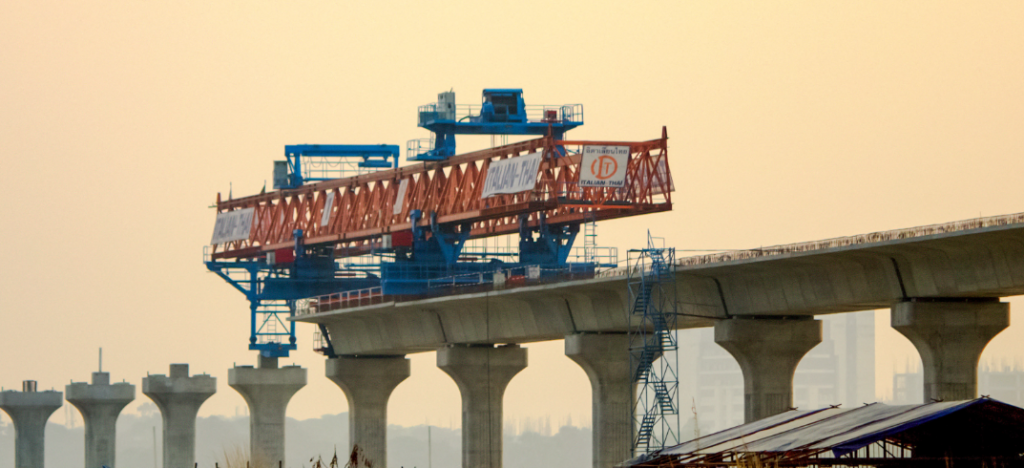
India’s continued investment in its metro rail system is expected to yield large real estate growth in the related development corridors. More people are expected to invest in real estate in proximity to metro stations and transit hubs.
Public Transportation Expansion
| Features | Benefits |
|---|---|
| Metro corridor expansion improves access between suburban and central business districts efficiently | Increases residential demand from daily commuters seeking affordable housing locations nearby |
| Railway modernization projects dramatically enhance regional transportation speed and convenience dramatically | Encourages commercial development and long-term property investment opportunities consistently |
| Bus rapid transit systems improve public commuting affordability and urban mobility substantially | Attracts middle-income families and professionals into growing residential neighborhoods strategically |
| Transit-oriented developments increase accessibility to offices, schools, and entertainment centers easily | Strengthens housing demand and raises surrounding property market values significantly |
5. Better Educational Facilities
Locations with good quality schools, colleges, and universities are the most highly valued by parents when determining where to live. Locations with good educational infrastructure attract higher-income families and are especially popular with new, modern homebuyers.

The presence of a good school and educational facilities typically stretches the reach of a neighborhood’s retail demand, builds demand for rentals, and enhances commercial development in that neighborhood.
Neighborhoods with good educational infrastructure are highly sought after by investors, due to the sustained demand for housing through different economic conditions.
Better Educational Facilities
| Features | Benefits |
|---|---|
| International schools attract affluent families seeking premium residential communities nearby consistently | Increases long-term housing demand and neighborhood property appreciation potential substantially |
| Universities and colleges support local rental markets with steady student population growth | Encourages real estate investments targeting student housing and nearby commercial developments |
| Skill-development centers improve employment readiness and regional workforce competitiveness effectively | Attracts educated professionals and supports sustainable community economic growth continuously |
| Educational townships provide integrated living environments with family-focused infrastructure advantages | Creates stable residential demand across multiple real estate market cycles consistently |
6. Home Renovation Activity
More home renovations in a neighborhood can signal an increase in investor confidence and a neighborhood’s preemptive transformation. More older homes in a neighborhood being renovated indicate an improved local environment and a demand that is more diverse and active.
Redevelopment is also transforming urban districts in 2026. In these redeveloped districts, notably higher-priced, high-rise buildings are replacing lower-priced, mid-rise and low-rise structures.

Upgraded districts attract higher-income groups who desire more contemporary designs and amenities, where they do not have to compromise on what their existing district/housing offers. Upgrades typically also yield stronger commercial activity and property rental returns and reinforce resale value.
Home Renovation Activity
| Features | Benefits |
|---|---|
| Older homes renovated with modern designs increase neighborhood visual appeal dramatically | Renovation trends indicate strong investor confidence in transforming urban neighborhoods strategically |
| Redevelopment projects replace outdated buildings with premium residential towers successfully | Raises local property values and encourages additional commercial investments nearby continuously |
| Smart home technology integration modernizes residential living standards effectively for homeowners | Increases buyer interest and future resale value opportunities substantially |
| Renovation trends indicate strong investor confidence within transforming urban neighborhoods strategically | Supports rising rental demand and faster property appreciation rates consistently |
7. Lower Crime Rates
Safety is one of the most important factors people and businesses consider in determining where to live and where to locate. Investments in crime-defended housing break the cycle of crime and encourage investment in long-term housing, businesses, and other services.

For example, in 2026, gated communities defensively integrated crime control measures with enhanced civic control, surveillance, and security, and are highly sought-after housing for institutional and private investors. Real estate experts expect sustained rental value growth in these communities due to high occupancy and lower rental rates for long periods.
Lower Crime Rates
| Features | Benefits |
|---|---|
| Improved police presence increases neighborhood safety and public confidence significantly overall | Attracts premium buyers seeking safer urban living environments |
| Modern surveillance systems reduce criminal activity and improve community monitoring effectively | Attracts premium buyers seeking safer urban living environments consistently |
| Gated residential communities provide enhanced security and controlled access for residents | Supports higher property prices and stronger long-term housing demand growth steadily |
| Community development initiatives improve neighborhood stability and resident satisfaction substantially | Increases investor confidence and strengthens local commercial business expansion opportunities |
8. Retail And Shopping Expansion
The construction of a new mall, a set of new shopping complexes, or a set of new mixed-use retail-and-commercial projects has significant effects on a neighborhood’s desirability. Convenience and accessibility improve. Economic activity among local consumers is amplified.
New retail projects always create new jobs. Growth can be anticipated in new retail, experience-based shopping centers that combine entertainment, dining, and lifestyle services in an urban area with high-value land-use potential and location-based advantages. People are always willing to walk to destinations.
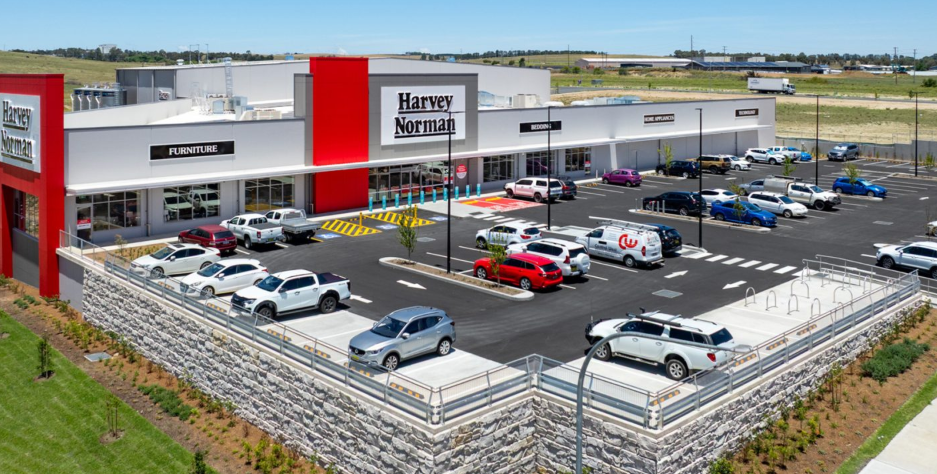
Established retail businesses always create demand for residential housing, creating a more competitive and commercially active market for long-term investors in real estate.
Retail And Shopping Expansion
| Features | Benefits |
|---|---|
| Premium shopping malls improve neighborhood convenience and lifestyle experiences significantly for residents | Attracts commercial investments and boosts the surrounding residential property demand rapidly |
| Mixed-use retail developments combine entertainment, dining, and shopping destinations efficiently | Encourages higher foot traffic and stronger economic activity within neighborhoods consistently |
| Supermarkets and retail chains create employment opportunities and consumer accessibility improvements | Supports population growth and long-term housing market expansion steadily |
| Lifestyle-focused retail zones attract tourists, professionals, and affluent consumers regularly | Increases commercial leasing demand and nearby property appreciation potential considerably |
9. Rising Rental Demand
Increased rental demand indicates that there is significant and dynamic population movement, job creation, and perceived desirability of a neighborhood among the rest of the population.
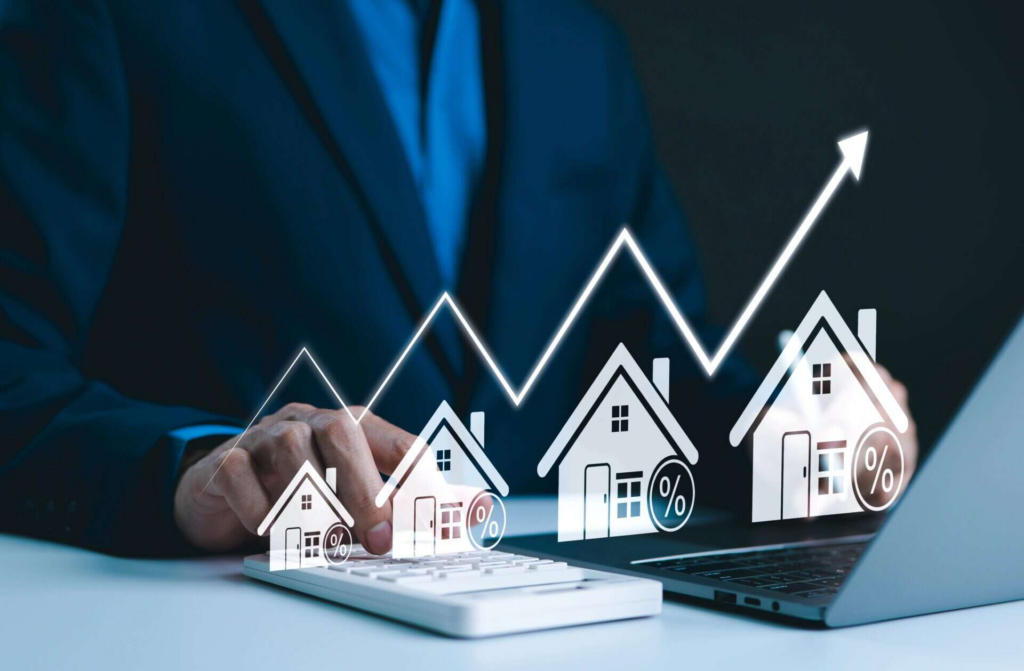
Rising rental occupancy is always associated with increased profitability and rental value for the investment. Growth can be anticipated in locations such as IT offices, educational campuses, logistics centers, and metro corridors as a result of the focus of urban professionals on convenience and the integration of various aspects of their lifestyle.
Investors focus on rental demand, as increased demand suggests that rent and residential valuations will likely appreciate in those locations, and demand is highest in emerging micro-markets that are affordable, in locations with new infrastructure, and are developing rapidly.
Rising Rental Demand
| Features | Benefits |
|---|---|
| Student and workforce populations are rapidly increasing demand for affordable rental accommodations | Creates stable rental income opportunities for residential property investors significantly |
| Housing demand near IT hubs strengthens local real estate market performance continuously | Supports long-term property appreciation and profitable investment growth opportunities steadily |
| Growing professional migration consistently increases apartment occupancy rates within emerging neighborhoods | Encourages developers building new residential projects within expanding urban districts strategically |
| Strong rental markets indicate improving economic activity and population growth patterns clearly | Student and workforce populations are rapidly increasing the demand for affordable rental accommodations |
10. Government Redevelopment Plans
State-sponsored redevelopment of older urban neighborhoods provides significant long-term appreciation for real estate value. Urban renewal of neighborhoods that have been neglected or have aged includes the upgrading of roads, public spaces, drainage, and the building of residential housing and new urban services.
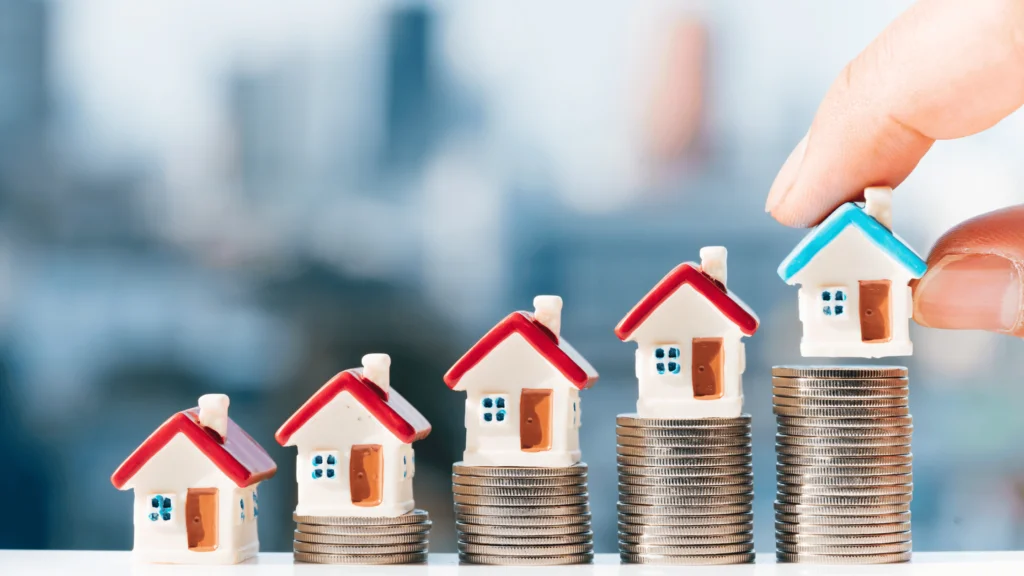
Growth can be anticipated from policies that focus on the redevelopment of urban environments that situate modern housing, business areas, and smart city infrastructure.
Government Redevelopment Plans
| Features | Benefits |
|---|---|
| Public space improvements greatly enhance community lifestyle quality and environmental sustainability greatly | Increases buyer confidence and long-term real estate investment attractiveness substantially |
| Government-backed smart city initiatives improve transportation and civic amenities continuously | Encourages commercial development and stronger residential property demand growth consistently |
| Redevelopment policies attract private developers and institutional funding opportunities strategically | Accelerates neighborhood transformation and future property appreciation rates significantly |
| Public space improvements enhance community lifestyle quality and environmental sustainability greatly | Supports premium housing demand and higher commercial investment activity steadily |
Conclusion
In conclusion, understanding the Top Indicators That a neighborhood’s property value is about to Boom equips investors and buyers with the knowledge to confidently make smart real estate choices.
When identifying the factors that influence the appreciation potential of a neighborhood, elements such as infrastructure building, increased employment, public transport, retail growth, and government redevelopment will most likely impact the potential appreciation most. Investors can then take advantage of the demand for real estate with potential value through the smart investment of time and money.
FAQ
What makes infrastructure development increase neighborhood property values quickly?
Improved roads, metro systems, airports, and smart infrastructure attract investors and homebuyers rapidly.
Why does employment growth affect local real estate market appreciation strongly?
More jobs attract professionals, increasing housing demand, rental occupancy, and residential property investments consistently.
How do trendy businesses signal future neighborhood property growth opportunities?
Luxury cafes, coworking spaces, and premium stores increase neighborhood popularity and buyer interest significantly.
Why is public transportation expansion important for property value appreciation?
Better transportation improves connectivity, reduces commuting time, and increases residential market demand rapidly.
