

Article refers to crypto price predictions and ways ai is analysing on-chain data to predict crypto prices movements through sophisticated algorithms that draw insights from the blockchain.
The way AI is revolutionizing crypto trading is by exposing newly discovered patterns, enhancing decision making and enabling investors to be ahead in extremely volatile digital asset marketplaces: from whale monitoring to sentiment analysis.
Key Points & Ways AI Is Analyzing On-Chain Data to Predict Crypto Price Movements
Whale Activity Tracking AI monitors large wallet movements, detecting whale trades that often signal upcoming significant price changes early.
Exchange Inflow/Outflow Analysis AI tracks coins entering or leaving exchanges, indicating selling pressure or accumulation trends affecting price movements.
Smart Money Behavior Tracking AI identifies experienced investors’ actions, analyzing their trades to predict market direction and potential profitable opportunities.
Transaction Volume & Velocity Analysis AI evaluates transaction frequency and size, revealing momentum shifts and potential bullish or bearish market signals.
Social & Sentiment Analysis via NLP AI processes social media and news sentiment, identifying hype, fear, or trends influencing crypto price behavior.
DeFi Protocol Total Value Locked (TVL) Trends AI analyzes TVL changes in DeFi platforms, signaling investor confidence and potential impact on token valuations.
Token Unlock Impact Analysis AI predicts price effects of token unlock events, where increased supply may lead to selling pressure.
Transaction Fee Anomalies AI detects unusual fee spikes, indicating network congestion or heightened demand that may impact token prices.
Mining Activity and Miner Behavior AI tracks miner selling or holding patterns, helping predict supply pressure and future price fluctuations.
Anomaly Detection and Manipulation Monitoring AI identifies unusual trading patterns, detecting market manipulation attempts and protecting traders from sudden price swings.
10 Ways AI Is Analyzing On-Chain Data To Predict Crypto Price Movements
1. Whale Activity Tracking
Using artificial intelligence to look at the blockchain data that can provide insights into so-called whales who trade relatively large amounts of crypto and move markets.
AI monitoring abnormal massive transfers from one wallet or exchange to another can observe early warning signs of forthcoming Bitcoin price changes.

They do this by identifying patterns in the data (patterns that only a machine can recognize) and historical trading behavior to determine whether whales are buying or selling.
Because the actions of whales often trigger market movements, AI-powered insights allow traders to anticipate volatility and make smarter trading decisions with real-time on-chain intelligence.
| Feature | Description |
|---|---|
| Large Wallet Monitoring | Tracks high-value wallet addresses influencing market liquidity and price direction. |
| Real-Time Alerts | Sends alerts on sudden large transactions or unusual whale movements instantly. |
| Accumulation Detection | Identifies whether whales are buying and holding assets over time. |
| Dump Signal Analysis | Detects large sell-offs that may trigger bearish market trends quickly. |
| Historical Behavior Insights | Uses past whale patterns to predict future market movements effectively. |
2. Exchange Inflow/Outflow Analysis
The number of cryptocurrencies that Flow into exchanges and out of them is analyzed by AI to understand market sentiment and determine the possible price direction.
Usually large inflows to a single coin show that investors are getting ready to sell, creating more room for downward pressure on prices. In contrast, large outflows indicates accumulation or long term hold, which reveals bullish behavior.
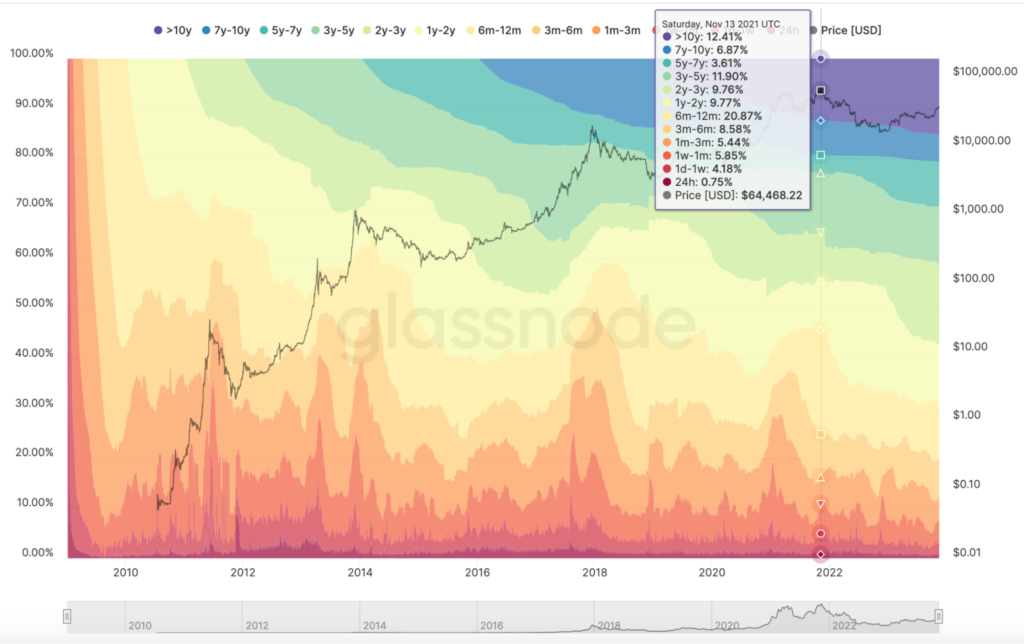
As they monitor these movements over time, across different exchanges and on various assets, AI models pick up patterns as well as unusual events that can assist traders in predicting possible future price changes accurately and confidently for both immediate trends and the general market.
| Feature | Description |
|---|---|
| Exchange Flow Tracking | Monitors crypto deposits and withdrawals across multiple exchanges continuously. |
| Sell Pressure Signals | Detects large inflows indicating potential selling activity in the market. |
| Accumulation Indicators | Identifies outflows suggesting long-term holding or reduced selling intent. |
| Multi-Exchange Coverage | Aggregates data from various platforms for broader market insights. |
| Trend Pattern Recognition | Uses historical flows to forecast potential price direction changes. |
3. Smart Money Behavior Tracking
This allows the AI to track the actions of seasoned investors, institutions and early adopters also known as smart money. AI examines the wallet histories, timing of each transaction, and patterns
for long-term investment to ascertain which addresses tend to perform with consistent profit-maximizing selection By tracking these wallets, AI is able to find early levels where a wallet entered or exited the market.

This knowledge allows traders to align their strategies with successful investors, increasing the probability that informed capital from those who have proven behavioral patterns can lead to profit.
| Feature | Description |
|---|---|
| Elite Wallet Identification | Detects wallets with consistent profitable trading history over time. |
| Trade Timing Analysis | Tracks entry and exit timing of experienced investors. |
| Portfolio Tracking | Monitors asset allocation changes of smart money participants. |
| Copy Trading Signals | Provides insights to replicate successful investor strategies. |
| Behavioral Pattern Learning | Learns decision-making trends of institutional and early investors. |
4. Transaction Volume & Velocity Analysis
To comprehend market momentum and activity levels, AI is trained on transaction volume as well as speed across blockchain networks. Rising volume is also generally promising or bullish, but sudden peak in volume often means the market has become really interested in the asset (or another big event happened), while an increase in transaction velocity shows that assets are moving quickly.

These metrics allow AI to understand how a trend is either strengthening or weakening. AI uses historical data with real time analysis in order to predict bullish or bearish movements, thus giving traders an edge to quickly react in crumbling crypto markets.
| Feature | Description |
|---|---|
| Volume Spike Detection | Identifies sudden increases in trading activity across networks. |
| Velocity Monitoring | Tracks speed of transactions to measure asset movement intensity. |
| Momentum Indicators | Determines whether a trend is strengthening or weakening. |
| Network Activity Insights | Evaluates overall blockchain usage and engagement levels. |
| Trend Forecasting | Combines volume data to predict bullish or bearish market shifts. |
5. Social & Sentiment Analysis via NLP
Natural language processing (NLP) is a subset of AI and thus with NLP, AI examines news articles, social media, and online forums to understand the public sentiment.
AI is able to detect positive, negative, or neutral tones around specific cryptocurrencies, recognising changes in market psychology. When hype or fear suddenly erupts, prices can skyrocket (or plummet) sometimes within minutes.

AI enables the ability to extract valuable insights from extensive unstructured data in real time, and assist traders in comprehending the impact of sentiment on supply and demand — enhancing predictions about near-term price movements.
| Feature | Description |
|---|---|
| Social Media Monitoring | Scans platforms for crypto-related discussions and trends. |
| Sentiment Classification | Categorizes sentiment as positive, negative, or neutral automatically. |
| News Impact Analysis | Evaluates how news events influence market sentiment shifts. |
| Trend Detection | Identifies viral topics affecting crypto price movements quickly. |
| Real-Time Data Processing | Analyzes massive unstructured data streams instantly for insights. |
6. Defi Protocol Total Value Locked (TVL) Trends
AI monitors variations in Total Value Locked (TVL) within decentralized finance (DeFi) solutions as a measure of investor confidence and capital migration.
Higher TVL translates to higher levels of trust and usage of a certain protocol – fuelling greater demand for the token, and driving prices higher. Meanwhile, Declining TVL may signal lack of confidence or capital outflow.

When viewed in conjunction with other on-chain metrics, AI offers profound insights into the health and viability of DeFi ecosystems and their related tokens.
| Feature | Description |
|---|---|
| TVL Tracking | Monitors total capital locked within DeFi protocols over time. |
| Growth Indicators | Identifies increasing investor participation and protocol adoption rates. |
| Capital Flow Analysis | Tracks inflow and outflow of funds across DeFi platforms. |
| Protocol Comparison | Compares performance of multiple DeFi projects simultaneously. |
| Market Confidence Signals | Uses TVL trends to assess trust in decentralized ecosystems. |
7. Token Unlock Impact Analysis
AI considers upcoming token unlock events (when tokens that were previously locked become available to trade). You will notice that these events tends to increase the circulating supply thus add to selling pressure resulting in price declines.

AI forecasts how upcoming releases might affect prices by studying historical unlock patterns and market responses. It also incorporates behavior and market conditions to calibrate predictions. It helps traders get ready for volatility and to adapt strategies ahead of major supply changes in the market.
| Feature | Description |
|---|---|
| Unlock Schedule Tracking | Monitors upcoming token release events and timelines. |
| Supply Impact Analysis | Evaluates how increased supply may affect market prices. |
| Historical Reaction Study | Analyzes past unlock events and their price impact. |
| Investor Behavior Insights | Predicts selling or holding patterns after token releases. |
| Volatility Forecasting | Anticipates price fluctuations around unlock periods. |
8. Transaction Fee Anomalies
AI analyzes transaction fees across blockchain networks to identify anomalous spikes or drops that might signal irregular behavior. Large fees are generally a sign that demand is high or there might be a large event taking place, and fast drops may indicate reduced activity.

Such anomalies are, in fact, early indicators of pending price fluctuations and progression or deterioration on the part of users. Traders rely on the insights provided by AI to identify patterns in fee fluctuations, which is vital to understanding underlying network conditions and anticipating how variations will affect crypto asset valuations.
| Feature | Description |
|---|---|
| Unlock Schedule Tracking | Monitors upcoming token release events and timelines. |
| Supply Impact Analysis | Evaluates how increased supply may affect market prices. |
| Historical Reaction Study | Analyzes past unlock events and their price impact. |
| Investor Behavior Insights | Predicts selling or holding patterns after token releases. |
| Volatility Forecasting | Anticipates price fluctuations around unlock periods. |
9. Mining Activity and Miner Behavior
AI evaluates miner trends (reward allocation and selling behaviours, hash rate fluctuations) in order to determine supply dynamics. If miners refuse to sell their rewards, it is a sign of trust that prices will go up in the future.

In contrast, more selling by miners can put additional supply pressure and be a downward force on prices. AI tracks the mining activity changes that indicate network health and security too.
Congratulations! You have now combined these pieces of information to assist traders in grasping how the decisions of miners affect the trends and prices in a particular geographic region over time.
| Feature | Description |
|---|---|
| Miner Wallet Tracking | Monitors holdings and transfers from mining addresses. |
| Sell Pressure Detection | Identifies when miners sell rewards into the market. |
| Hash Rate Analysis | Tracks computational power securing the network. |
| Reward Distribution Insights | Analyzes how mining rewards are utilized or stored. |
| Network Stability Signals | Uses mining trends to assess blockchain health. |
10. Anomaly Detection and Manipulation Monitoring
Using sophisticated algorithms, it identifies unusual trades patterns — such as sudden price surges, wash trading and the like and attempts at coordinated manipulation.
AI detects abnormal market activity that signals possible fraud or manipulation by properly analyzing massive datasets in real time. This allows traders to dodge potential traps and trade more safely.

AI-based monitoring systems improve transparency in the market by detecting suspicious actions early, enabling participants to react quickly and thus minimizing risks from unusual price swings.
| Feature | Description |
|---|---|
| Fraud Detection Systems | Identifies suspicious or irregular trading activities in real time. |
| Wash Trading Alerts | Detects fake volume generated to manipulate prices. |
| Pattern Deviation Analysis | Flags abnormal behaviors compared to historical data trends. |
| Market Manipulation Signals | Recognizes coordinated efforts to influence prices artificially. |
| Risk Prevention Tools | Helps traders avoid losses from sudden unpredictable market actions. |
Conclusion
Conclusion AI is changing the game as far as crypto analysis by helping you transform raw on-chain data into actionable insights. These powerful tools, ranging from following whale movements to identifying anomalies in the market help predict price trends much better.
As the technology continues to evolve, we can expect to see AI-powered analytics become must-have tools among traders wanting to find smarter strategies, better risk management and an edge in today rapid-moving cryptocurrency world.
FAQ
What is on-chain data in crypto?
On-chain data refers to all transactions and activities recorded directly on a blockchain network.
How does AI use on-chain data for predictions?
AI analyzes patterns, trends, and anomalies in blockchain data to forecast future price movements.
What is whale activity tracking?
It involves monitoring large crypto holders whose trades can significantly influence market prices.
