


In this article, I will cover the most lucrative DePIN nodes you can run in your home office come the year 2026. With the exponential growth of decentralized infrastructure, now individuals can earn passive income by sharing resources such as storage space
Bandwidth, and computing power. Since then, the interest in running your own validator node has exploded — with everything from accessible beginner setups to advanced nodes.
Key Points & Most Profitable DePIN Nodes To Host In Your Home Office
| Explanation (15 words) | |
|---|---|
| Helium Mobile (HNT) | Operates wireless hotspots, rewarding users for mobile data usage and expanding decentralized telecom infrastructure. |
| Render Network (RNDR) | Provides GPU rendering power for AI and 3D graphics, monetizing unused computing resources efficiently. |
| Hivemapper (HONEY) | Builds decentralized mapping via dashcams, rewarding drivers with tokens for navigation and geospatial data. |
| DIMO (DIMO) | Connects vehicles to blockchain, rewarding drivers for sharing car diagnostics and mobility data securely. |
| Filecoin (FIL) | Decentralized storage marketplace, rewarding node operators for hosting and retrieving encrypted user data globally. |
| Akash Network (AKT) | Decentralized cloud computing marketplace, monetizing spare server capacity for developers needing scalable infrastructure. |
| Theta Network (THETA) | Video streaming nodes reward operators for bandwidth sharing, powering decentralized media delivery worldwide. |
| Arweave (AR) | Permanent decentralized storage solution, rewarding nodes for archiving valuable data immutably across generations. |
| Livepeer (LPT) | Decentralized video transcoding network, rewarding GPU owners for processing and streaming video content efficiently. |
| Mysterium (MYST) | Operates decentralized VPN nodes, rewarding users for sharing bandwidth and enabling private internet access. |
10 Most Profitable DePIN Nodes To Host In Your Home Office (2026)
1. Helium Mobile (HNT)
As a huge DePIN opportunity for home users, Helium Mobile is one of the most accessible to install in 2026. Users who set up their own little hotspot device are giving decentralized wireless coverage and (as a result of this) people can earn HNT tokens.
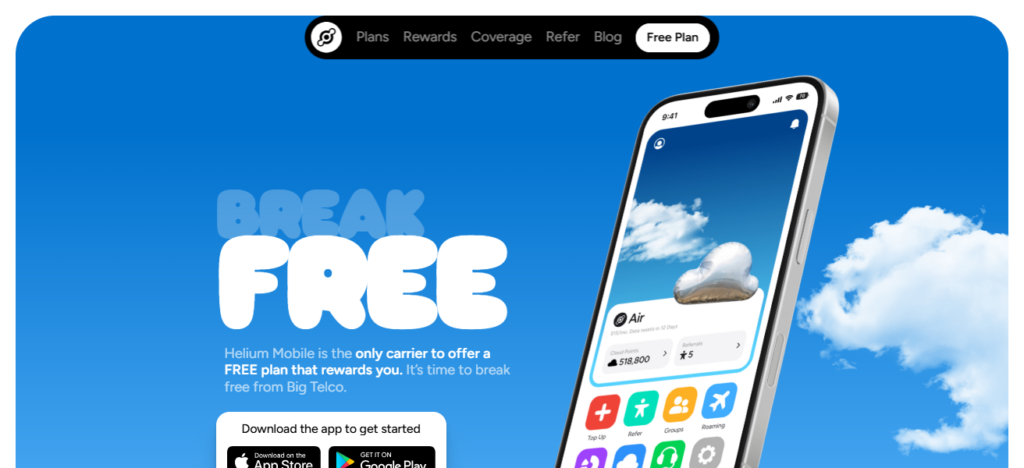
Its mission is to create a community-owned telecom, with less dependence on traditional carriers. Earnings potential has increased dramatically in urban areas as we expand into 5G.
Its setups are low-cost and maintenance is negligible, making it perfect for beginners. Helium Mobile remains one of the most profitable node-based solutions for passive income generation, catering to the growing demand for decentralized connectivity.
| Pros | Cons |
|---|---|
| Easy and low-cost hotspot setup | Earnings depend on location |
| Passive income via 5G & IoT coverage | Rewards declining due to competition |
| Minimal maintenance required | Needs proper placement for best results |
| Strong real-world telecom use case | Regulatory risks in some regions |
2. Render Network (RNDR)
Render Network The short story – Are you sitting on unused GPU power? Featuring DENOISE RENDERING, a workflow designed to accelerate rendering performance, the network distributes large graphics tasks such as 3D graphics, animation and AI workloads across multiple computers connected to a local or wide area network (LAN/WAN).
Rewards are distributed during the rendering process in RNDR tokens for computational contribution. With demand for GPU-heavy uses, such as metaverse projects and AI expanding, Render’s ecosystem is flourishing.
Node need constant hardware and electricity, but pays off significantly well if its always up. It’s one of the most lucrative DePIN networks for users who already have high-power computing rigs.
| Pros | Cons |
|---|---|
| High earning potential with GPUs | Expensive hardware required |
| Growing demand from AI & 3D industries | High electricity consumption |
| Monetizes idle computing power | Complex setup for beginners |
| Scalable with better hardware | Job availability may fluctuate |
3. Hivemapper (HONEY)
Hivemapper trials a new way to do mapping by allowing users with dashcams to contribute street-level imagery as they drive. Users receive HONEY tokens in exchange for hosting a node and uploading mapping data.
This decentralized approach to conventional mapping services opens up avenues for individuals to earn money based on everyday driving. It’s very dynamic since the network rewards novelty and quality of coverage.
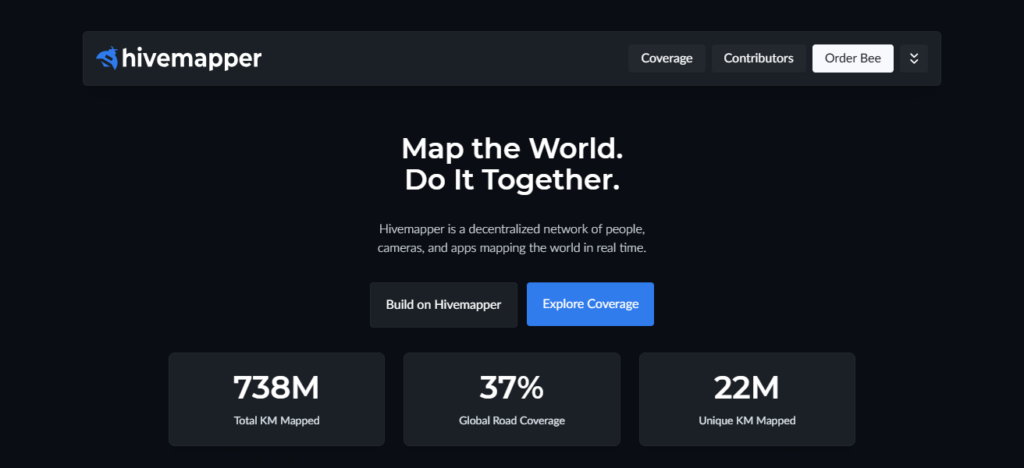
Though investing initially requires a compatible dashcam, the earning potential scales with both activity and location. Hivemapper is also super convenient, you can combine your road travels with a little sprinkle of pseudo mining and earn crypto from it.
| Pros | Cons |
|---|---|
| Earn while driving with dashcams | Requires dashcam investment |
| Real-world mapping utility | Earnings depend on travel frequency |
| Rewards for fresh data | Limited income for casual users |
| Less competition in new areas | High data upload usage |
4. DIMO (DIMO)
Through a unique system that connects cars to a decentralized network, DIMO provides users with the ability to earn money by sharing their vehicle data. Drivers share anonymized and aggregated vehicle data from their cars via a plug-in device, earning DIMO tokens in exchange.
The network aims to create a transparent automotive data ecosystem that puts users in control instead of corporations. For car owners who frequently drive, hosting a DIMO node from home is straightforward.
Earnings vary on the quality and volume of data, as well as demand for that data across network nodes. With the rising tide of connected vehicles, DIMO represents an interesting DePIN opportunity that combines IoT technology and blockchain alignment incentives to create a passive income stream.
| Pros | Cons |
|---|---|
| Passive income from vehicle data | Requires owning a car |
| Simple plug-and-play device | Earnings still relatively low |
| Future growth in smart vehicles | Privacy concerns |
| User-owned data ecosystem | Limited adoption currently |
5. Filecoin (FIL)
Filecoin — a decentralized storage network where users earn FIL tokens when they rent out unused disk — was launched in 2017. The Payoff for Staking in Filecoin: Storage Hardware, Full Node & Earning Potential Demand for storage provider continues to grow as the network itself supports
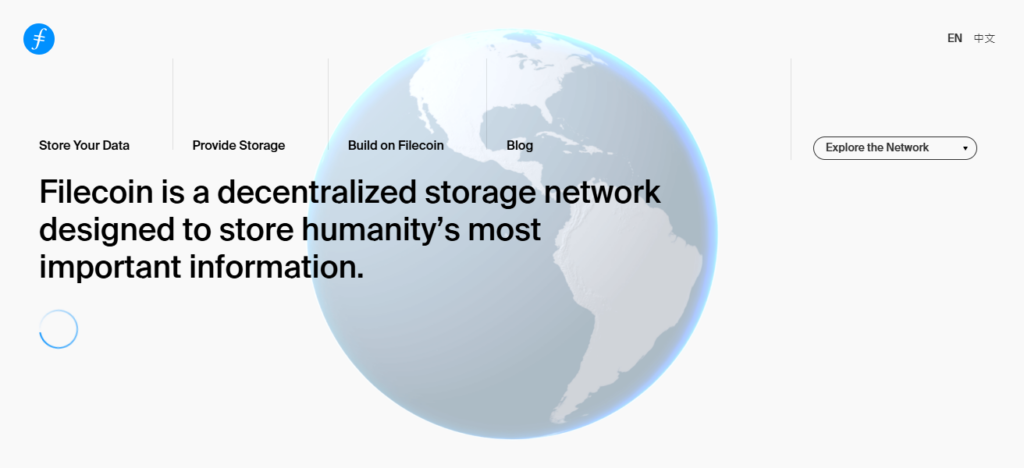
Web3 applications, NFTs, and enterprise storage solutions. Earning rewards, which are based on available storage and uptime reliability. Entry barriers are higher than simpler DePIN nodes, but experienced users can build large-scale storage farms. Today, Filecoin is one of the most mature and profitable decentralized storage ecosystems in blockchain.
| Pros | Cons |
|---|---|
| Strong long-term earning potential | High setup cost |
| High demand for decentralized storage | Technical complexity |
| Established ecosystem | Requires constant uptime |
| Scalable storage business | Competitive market |
6. Akash Network (AKT)
Akash Network is a decentralized marketplace allowing users to rent out unused computing resources. Hosting applications, websites or blockchain workloads earns AKT tokens for the node operator.
This offers a more affordable solution compared to the centralized cloud providers. Akash Node Operator Business — Operating an Akash node is highly technical and requires server-grade hardware, but a well-maintained node can yield consistent revenue.
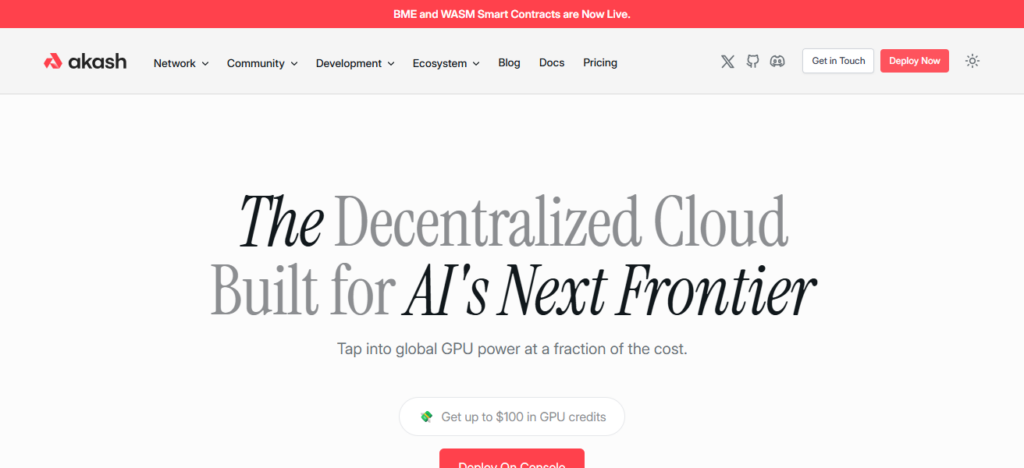
As demand for Web3 infrastructure increases, Akash is emerging as the preferred choice among developers in need of decentralized hosting services. Akash introduces a high-margin scalable entry point into the DePIN ecosystem for home offices with surplus computing resources.
| Pros | Cons |
|---|---|
| Monetizes unused cloud resources | Requires server-grade hardware |
| Growing Web3 demand | Complex setup |
| Alternative to centralized cloud | Earnings fluctuate |
| Scalable income model | High operational costs |
7. Theta Network (THETA)
Theta Network — specializes in decentralized video streaming, allowing users to share bandwidth and computing resources. With an edge node, users facilitate the efficient distribution of video content in exchange for THETA or TFUEL tokens.
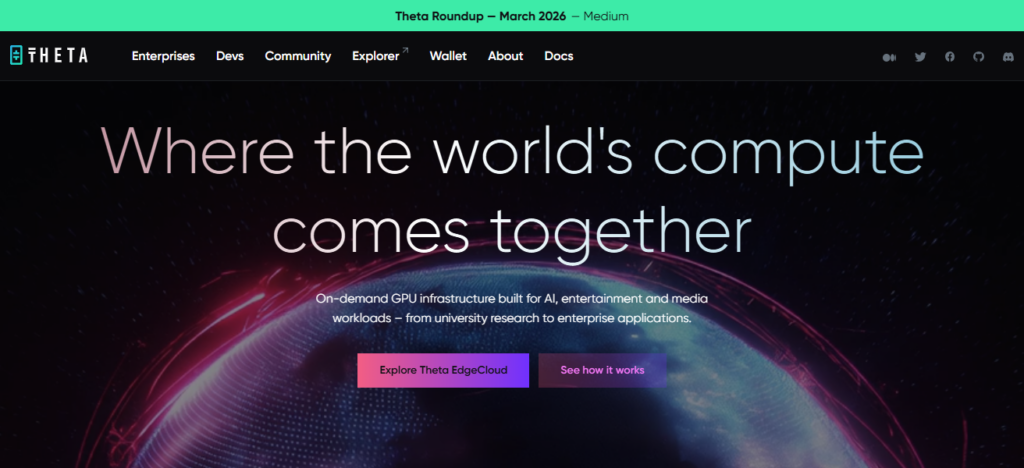
This network supports esports, streaming platforms, and entertainment applications. Hosting a Theta node is simple and can be done with the hardware available with most of us, making it beginner friendly. Income is based on how much uptime or demand the network has.
This is especially true when accounting for the fact that video consumption continues to grow globally, and Theta’s decentralized model provides a compelling avenue for monetizing previously idle bandwidth from home but also supporting an overall more efficient content delivery ecosystem.
| Pros | Cons |
|---|---|
| Easy to run node | Lower earnings potential |
| Low hardware requirements | Depends on network demand |
| Strong video streaming use case | Bandwidth usage impact |
| Beginner-friendly | Token volatility |
8. Arweave (AR)
Arweave’s “permaweb” allows users to permanently store data. Node operators are rewarded AR tokens for providing storage and ensuring data availability. Arweave is a long-term, value storage network; this is different from traditional approaches and thus has attracted developers, researchers and content creators.
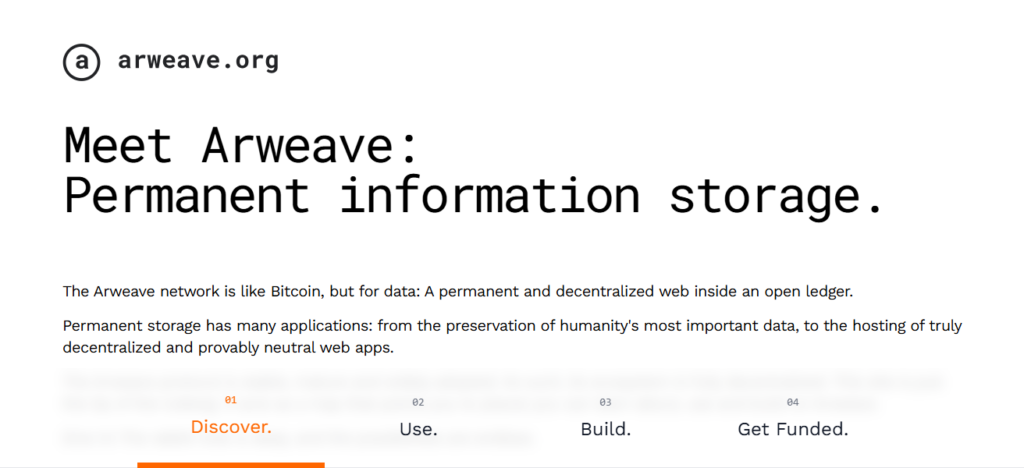
A Strong Hosting Node Profits Are Very High Because the Value Proposition Is Unique but It Requires Stable Hardware and Technical Knowledge In times where censorship resistance and lethally permanent storage are in rising demand, Arweave emerges as a DePIN project with incredible potential for anyone wanting to put their slug behind the maze, or build infrastructure rather than just consume it.
| Pros | Cons |
|---|---|
| Permanent data storage model | Technical setup required |
| High-value niche use case | Higher infrastructure cost |
| Demand for censorship-resistant storage | Limited mainstream adoption |
| Long-term earning potential | Slow earning growth initially |
9. Livepeer (LPT)
Livepeer is a decentralised video transcoding network which enables users to transcode streams of video using their own hardware. Known as orchestrators, node operators are rewarded with LPT tokens for transcoding video streams into various formats for the platforms.

As video clips and live streaming grow, so does the need for transcoding services. While running a Livepeer node is resource and tech-heavy, the rewards can be lucrative over time for those that perform seamlessly.
It is especially lucrative for members already within media or streaming markets. Livepeer is an emerging vertical in the DePIN sector dedicated to video.
| Pros | Cons |
|---|---|
| Rising demand in video streaming | Requires GPU hardware |
| Good earning potential | Technical knowledge needed |
| Decentralized video infrastructure | Competitive network |
| Ideal for media professionals | Earnings vary with demand |
10. Mysterium (MYST)
Mysterium: Decentralized VPN Marketplace This allows for maximum privacy while being able to access open connections worldwide, offering an alternative to traditional VPN services. Running a node is relatively simple and requires only basic hardware, hence beginner-friendly.

How much you get paid is based on how you use the bandwidth and what areas are in demand. In an era of increasing concern around online privacy and censorship
Mysterium’s decentralized model is quickly gaining traction. Running a Mysterium node at home serves an inexpensive access point into DePIN, presenting the opportunity for passive income over time
| Pros | Cons |
|---|---|
| Very easy to set up | Low earning potential |
| Passive income via bandwidth sharing | Security concerns |
| Growing privacy demand | Location-based earnings |
| Low-cost entry | ISP restrictions possible |
Conclusion
To summarize, the nodes that would be most profitable to run in your home office in 2026 is highly dependent on many factors including your resources, technical expertise and capital allocation.
Each type has its unique potential for earnings, from basic bandwidth-sharing nodes to advanced GPU and storage setups. However, with the right network selection and keeping uptime consistent, you can build a robust passive income stream in the emerging DePIN ecosystem.
FAQ
Which DePIN node is most profitable in 2026?
Profitability depends on your setup. GPU-based networks like Render Token and storage networks like Filecoin tend to offer higher returns with proper hardware.
Is running a DePIN node safe?
Generally yes, but sharing bandwidth or data may involve privacy and security considerations. Always follow best practices and secure your network.
Can I run multiple DePIN nodes from home?
Yes, many users run multiple nodes simultaneously (e.g., storage + bandwidth sharing) to maximize earnings from different networks.
What are the main costs involved?
Costs include hardware, electricity, internet usage, and maintenance. High-performance nodes have higher upfront investment but better earning potential.
