


I am going to talk about the Best Multi-Carrier Shipping APIs that have Real Time LTL (Less-Than-Truckload) Rates. I’d like to examine how these emerging technology systems empower businesses to obtain snap freight quotes, facilitate comparisons among multiple shipping lines, and optimize the overall shipping process.
You will understand how the current trend of multi-carrier shipping APIs improves the systems’ scalability, reduces shipping expenses, and maintains the real time LTL rates feature, enabling the supply chain the quick, easy, and dependable management service.
Key Points & Best Multi-Carrier Shipping APIs with Real-Time LTL (Less-Than-Truckload) Rates
| API | Explanation |
|---|---|
| Shippo | Provides multi-carrier rates supports LTL shipping real-time tracking and labels globally available |
| EasyPost | Unified shipping API offering LTL rates carrier comparison tracking and automation support |
| ShipEngine | Scalable shipping API with multi-carrier LTL rates label creation and analytics tools |
| AfterShip | Global shipping API providing LTL rates tracking visibility and carrier integration support |
| ShipStation | Automation shipping platform offering LTL rates label printing and workflow optimization features |
| Freightview | LTL focused API comparing carrier rates optimizing freight shipping costs efficiently instantly |
| Flexport | End to end logistics API with LTL rates tracking and global visibility |
| Uber Freight | Digital freight platform connecting shippers with LTL carriers and real-time pricing access |
| Shipwell | Cloud logistics platform offering LTL rate intelligence routing and shipment tracking tools |
| Freightcom | Shipping API providing LTL rate comparison booking tools and carrier management features |
10 Best Multi-Carrier Shipping APIs with Real-Time LTL (Less-Than-Truckload) Rates
1. Shippo
Shippo is a great multi-carrier shipping API solution that provides real-time LTL rates for all the major global shipping networks. Users can generate shipping labels and track shipments along with a built-in shipment comparison feature, all via a single integration.
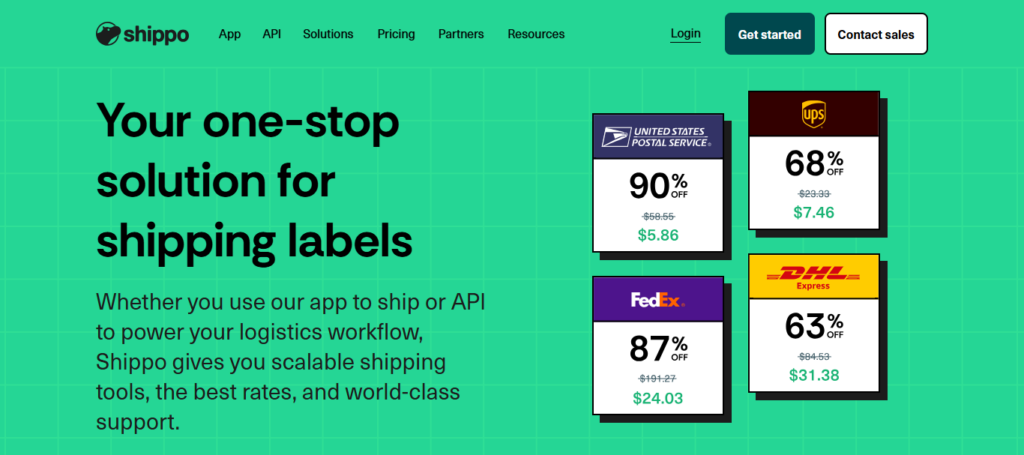
Shippo is dedicated to further development of its API to enhance scalability and freight visibility. With the latest developments, Shippo is focused on improving the speed for shippers to access rates. These advancements take aim at reducing operational shipping costs and improving delivery.
Shippo – Pros & Cons
| Pros | Cons |
|---|---|
| Easy integration with multiple global carriers | Advanced LTL features require higher pricing tiers |
| Real-time shipping rates and label generation | Limited deep freight optimization tools |
| Strong developer-friendly API documentation | Tracking customization options are somewhat basic |
| Supports international shipping workflows | Enterprise-level analytics not very advanced |
2. EasyPost
EasyPost is a great multi-carrier shipping API that provides real-time LTL rates and an impressive level of multi-carrier services. EasyPost supports hundreds of shipping carriers. Users can compare freight and parcel shipping rates in an instant.
EasyPost focuses on automation and “shop and ship” features with improvements in the reliability of shipment tracking. EasyPost is a popular choice to automate shipping logistics and shipping services due to its advanced control features.
EasyPost – Pros & Cons
| Pros | Cons |
|---|---|
| Supports hundreds of carriers with real-time LTL rates | Pricing can become expensive at scale |
| Excellent API reliability and uptime performance | Some advanced features require technical expertise |
| Strong automation for rate comparison and shipping logic | UI/dashboard less intuitive for beginners |
| Highly scalable for enterprise logistics systems | Limited built-in warehouse management tools |
3. ShipEngine
ShipEngine scales with a business’s needs while providing access to real-time LTL freight rates, labels, and in-depth shipping analytics. ShipEngine is highly integrated for speed and accuracy, and therefore, designed for complex logistics systems.
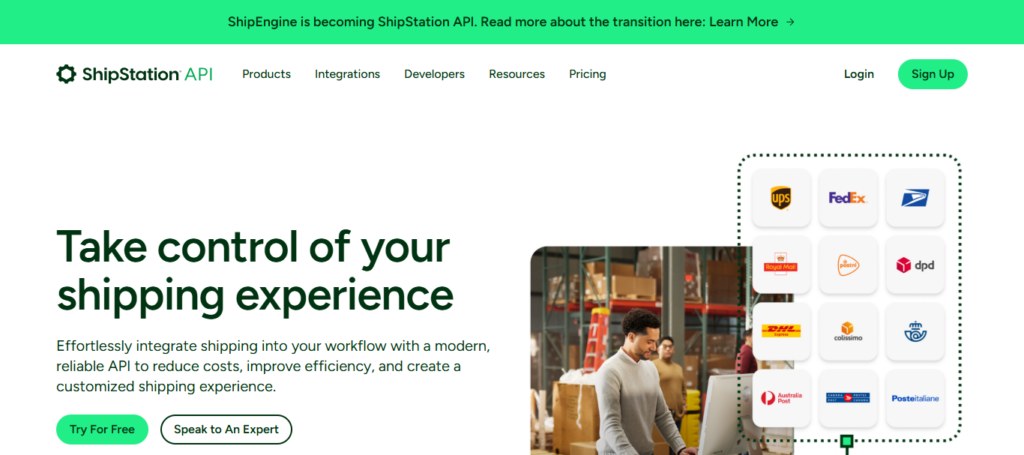
Recently improved carrier integrations and API optimization for large shipment requests improved their already powerful systems.
ShipEngine is a great tool for optimizing your supply chain, providing tools to automate shipping choices, carrier selection, and freight performance insights.
ShipEngine – Pros & Cons
| Pros | Cons |
|---|---|
| Fast API response times for high-volume shipping | LTL-specific features less specialized |
| Strong analytics and shipping performance insights | Setup can be complex for non-developers |
| Excellent multi-carrier rate comparison tools | Higher cost for enterprise-grade usage |
| Reliable integration with major carriers globally | Limited customization in basic plans |
4. AfterShip
AfterShip is a global logistics API that covers shipment tracking, LTL rate visibility, and a multi-carrier and freight integration. AfterShip enables businesses to unify the shipment tracking experience for multiple carriers and freight.
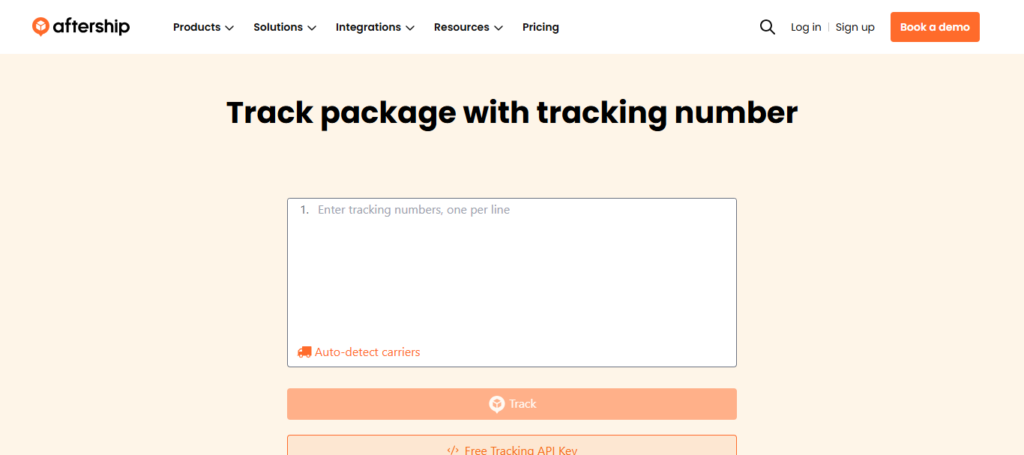
Recent updates built upon LTL shipment monitoring and added new predictive delivery capabilities. AfterShip is perfect for eCommerce brands that want real-time tracking updates for their customers while improving their logistics systems on a global scale.
AfterShip – Pros & Cons
| Pros | Cons |
|---|---|
| Excellent shipment tracking and visibility tools | LTL pricing features less advanced |
| Strong predictive delivery analytics | Not fully focused on freight-heavy businesses |
| Easy integration with eCommerce platforms | Carrier rate comparison is limited |
| Great customer experience tracking updates | Advanced logistics features require upgrades |
5. ShipStation
ShipStation is a highly automated shipping system that offers LTL rates, prints labels in batches, and simplifies the order management process. ShipStation makes shipping easier and more manageable for expanding online retailers, due to its integration with major carriers and marketplaces.
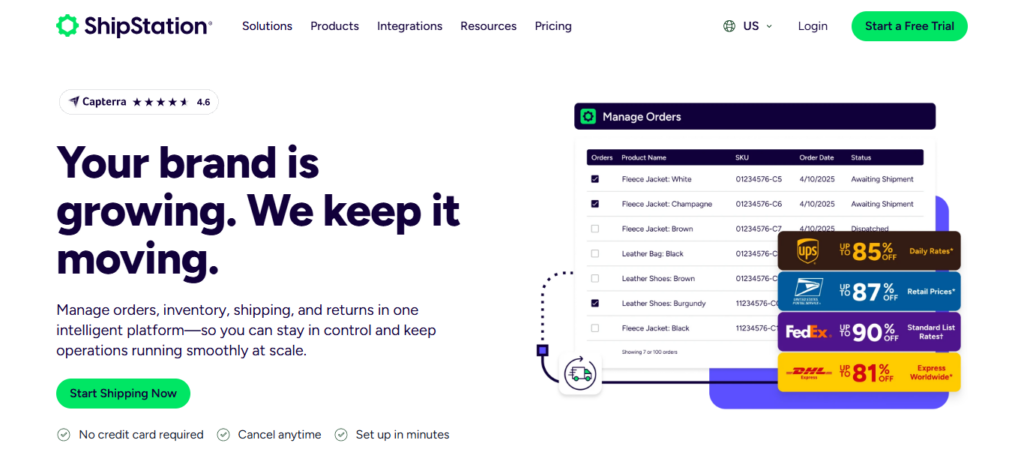
Recent updates improved warehousing logistics and optimized task Flow Automation. ShipStation simplifies logistics to balance freight and parcel shipping systems while fulfilling orders at a higher velocity.
ShipStation – Pros & Cons
| Pros | Cons |
|---|---|
| Strong automation for order and shipping workflows | Not built as a pure LTL freight API |
| Easy multi-channel eCommerce integration | Limited enterprise-level customization |
| Efficient batch label printing system | Advanced features only in premium plans |
| Supports multiple carrier connections | Freight optimization tools are basic |
6. Freightview
Freightview specializes in LTL freight rate comparison and booking, helping businesses instantly evaluate carrier pricing. It centralizes freight management into a simple dashboard for easier decision-making.
The platform’s latest improvements include more accurate real-time carrier integrations and improved cost forecasting tools.
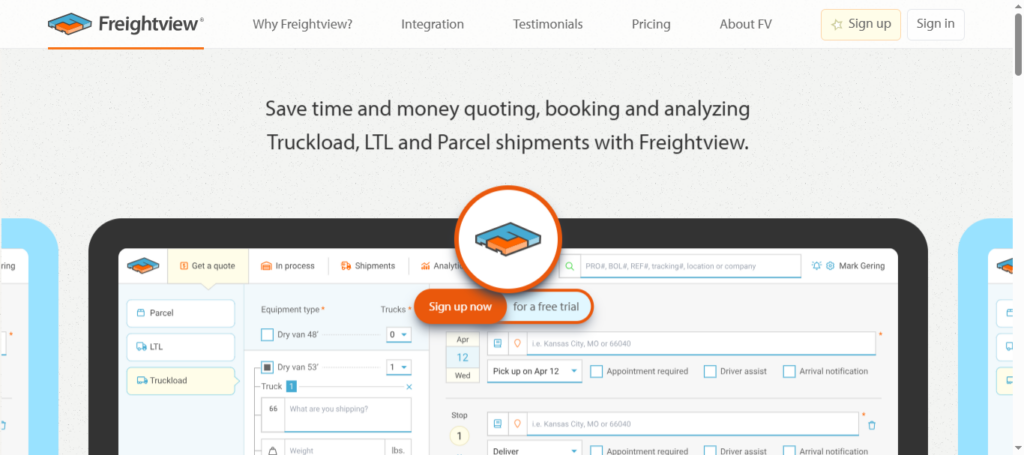
Freightview is particularly valuable for companies focused on reducing freight expenses while maintaining service quality, offering transparency across multiple LTL carriers in one unified system.
Freightview – Pros & Cons
| Pros | Cons |
|---|---|
| Excellent LTL rate comparison tool | Focused only on freight (not parcel shipping) |
| Simple and clean dashboard interface | Limited API flexibility compared to competitors |
| Transparent carrier pricing visibility | Fewer global carrier integrations |
| Strong cost optimization for freight shipments | Not ideal for eCommerce parcel workflows |
7. Flexport
Flexport digitizes logistics from origin to destination. It has tools for tracking shipments, total logistics management, and real-time rates for LTL shipments. They combine logistics, freight forwarding, customs, and transportation into one platform.
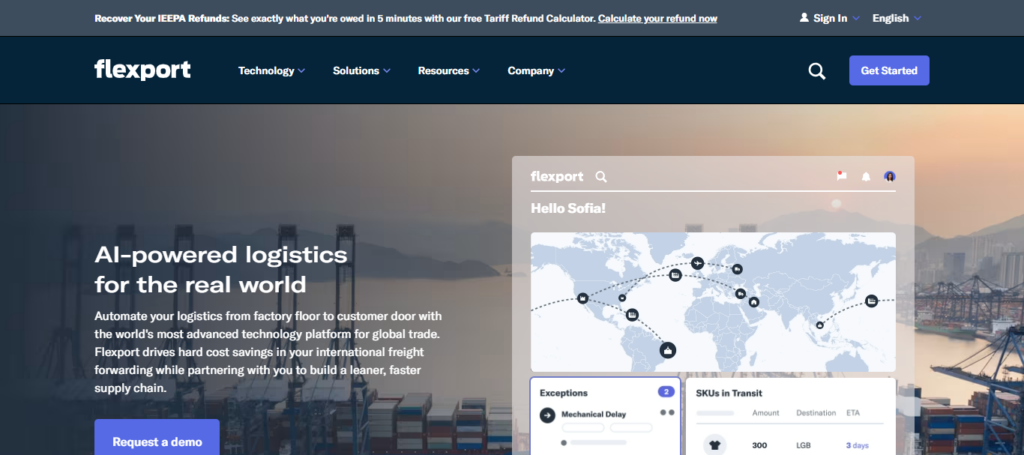
Their increased emphasis on artificial intelligence will improve planning and global tracking systems. Flexport is the most popular of the systems for controlling international supply chains. Flexport simplifies extensive freight operations and boosts efficiencies for international logistics while maintaining optimal compliance.
Flexport – Pros & Cons
| Pros | Cons |
|---|---|
| End-to-end logistics and supply chain visibility | Complex platform for small businesses |
| Strong global freight forwarding capabilities | Higher cost for full-service usage |
| AI-powered logistics optimization tools | Limited customization flexibility |
| Excellent international shipping support | Requires onboarding time and training |
8. Uber Freight
Uber Freight is a digital marketplace that brings shippers and LTL carriers together. Instant bookings and real-time quotes simplify freight procurement by offering transparent rates. Recent innovations focus on smarter logistics, load matching, and route optimizations.

Uber Freight is a great solution for on-demand freight needs. It solves inefficiencies in the traditional brokerage system while increasing speed, reliability, transparency, and ease of shipments in the LTL network.
Uber Freight – Pros & Cons
| Pros | Cons |
|---|---|
| Real-time freight pricing and booking system | Less control over carrier selection |
| Strong load matching and route optimization | Mostly focused on North American market |
| Transparent pricing model for shippers | Limited deep API customization |
| Fast access to available LTL capacity | Pricing may vary during peak demand |
9. Shipwell
Shipwell’s cloud-based logistics platform combines LTL rate intelligence, routing, and shipment tracking, and is augmented with AI for improved freight planning and carrier selection. Recent updates have improved visibility and prediction for ETAs.
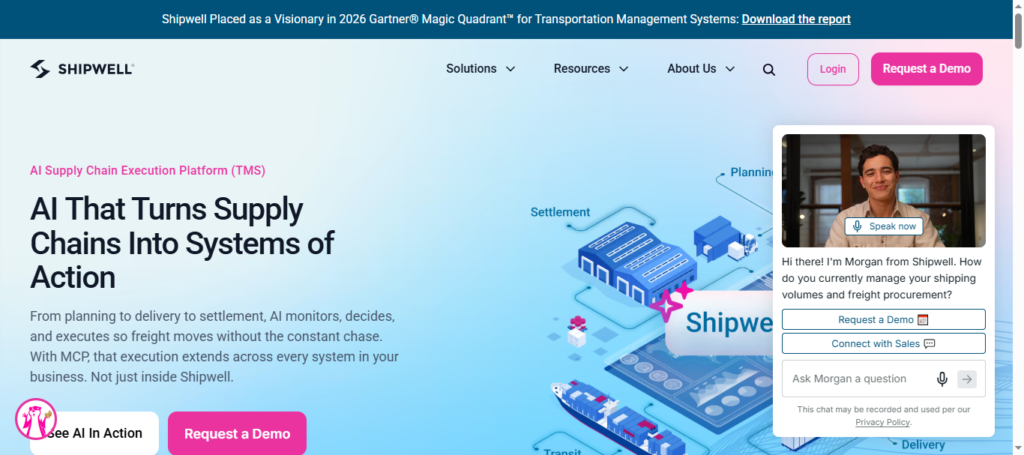
Shipwell is popular with mid and enterprise logistics teams looking to modernize supply chain operations through greater freight management and automation, better cost control, and integration of various carriers.
Shipwell – Pros & Cons
| Pros | Cons |
|---|---|
| AI-powered logistics and routing optimization | Learning curve for new users |
| Strong real-time shipment tracking | Higher cost for advanced features |
| Good carrier management and visibility tools | Smaller carrier network compared to leaders |
| Flexible cloud-based logistics platform | Some integrations require custom setup |
10. Freightcom
Freightcom’s API facilitates LTL rate comparisons, carrier bookings, and automated freight management. Companies using Freightcom can choose the most efficient plan from a list of shipping costs comparison constructed in real time.

Recent upgrades have improved quoting speed and North American carrier integrations. Freightcom is a great option for small and mid-sized businesses looking to improve visibility and optimize the costs of freight logistics.
Freightcom – Pros & Cons
| Pros | Cons |
|---|---|
| Strong LTL rate comparison engine | Limited global expansion (mostly North America) |
| Easy booking and carrier management | Fewer advanced analytics features |
| Good for SMB freight optimization | Not suitable for large enterprise logistics complexity |
| Fast quoting and pricing system | UI feels less modern compared to competitors |
Conclusion
In conclusion, best multi-carrier shipping APIs with real-time LTL (Less-Than-Truckload) rates demonstrate the importance of the global economy’s ‘just in time’ features.
Having near-instant access to real-time freight pricing along multiple carriers improves a company’s ability to make appropriate shipping choices along a myriad of options.
Increased operational efficiency lowers costs. More accurate deliveries improve customer satisfaction. Incorporating innovative automations help companies develop competitive supply chains among eCommerce behemoths.
FAQ
What are Multi-Carrier Shipping APIs?
Multi-carrier shipping APIs connect multiple logistics providers, enabling real-time rate comparison, tracking, and label generation.
What is LTL (Less-Than-Truckload) shipping?
LTL shipping moves smaller freight shipments that do not require a full truckload space.
Why are real-time LTL rates important?
Real-time LTL rates help businesses choose the cheapest and fastest shipping option instantly.
Which is the best Multi-Carrier Shipping API?
Top options include Shippo, EasyPost, and ShipEngine for scalable logistics.
