

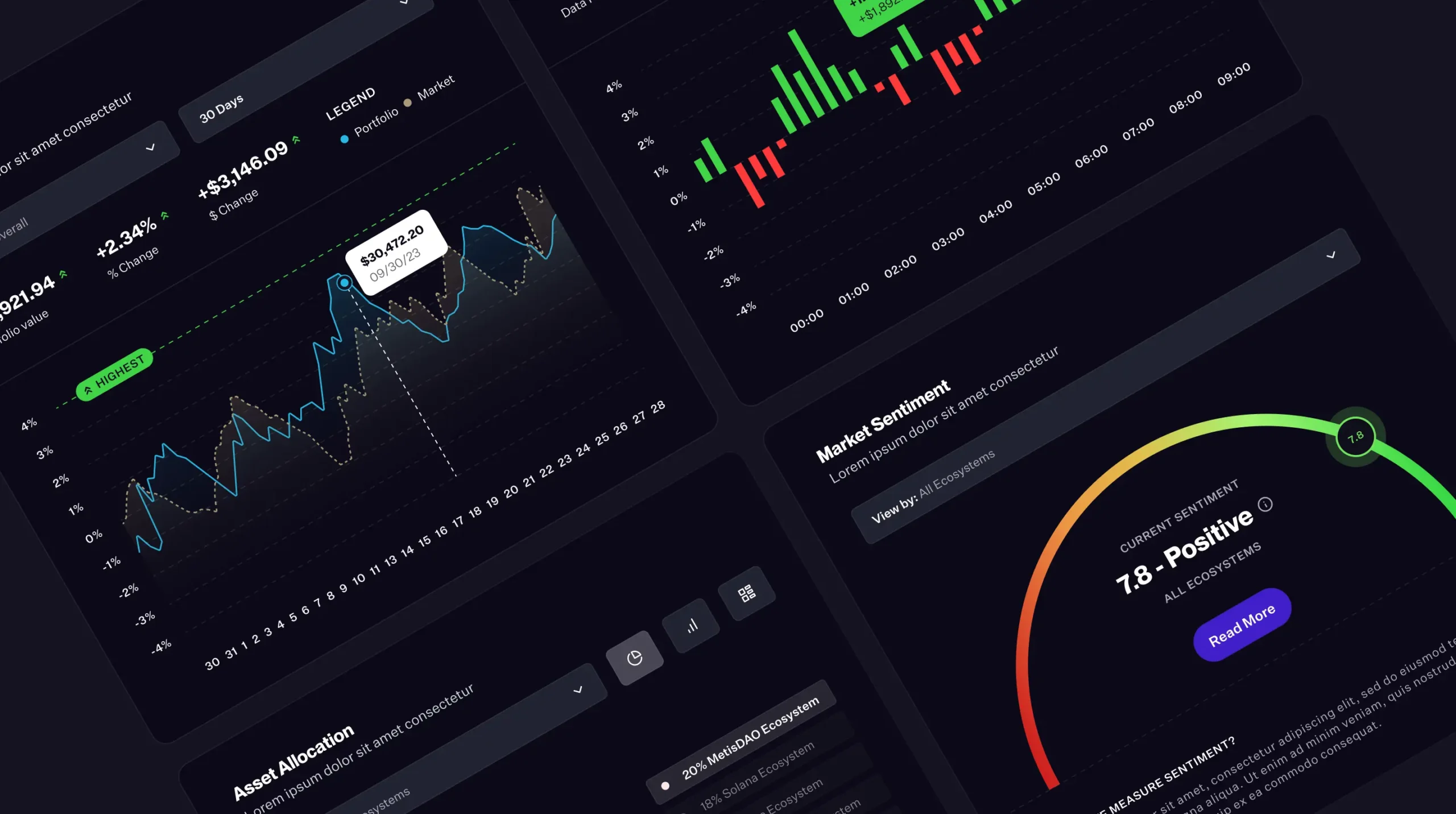
Welcome to my new article on the Ways AI Is Helping Traders Manage Drawdown And Protect CapitalBuilt-Up In Modern Financial Market How AI is changing trading; better risk management, decision making, and greater accuracy in strategy.
AI is used in real-time monitoring and predictive analytics to help traders control losses and protect their capital more efficiently in unpredictable and volatile market conditions.
Key Points & Ways AI Is Helping Traders Manage Drawdown And Protect Their Capital
- Real-Time Anomaly Detection: AI detects unusual market behavior instantly reducing sudden drawdown risks for traders
- Dynamic Position Sizing: AI adjusts trade sizes based volatility account risk preserving capital during drawdowns
- Market Regime Classification: AI identifies trending ranging volatile markets improving strategy selection and reducing losses
- Predictive Risk Signals: AI forecasts potential losses enabling traders to exit positions early protect capital
- Correlation Monitoring: AI tracks asset relationships reducing overexposure and preventing hidden portfolio risks during volatility
- Emotionless, Rule-Based Execution: AI removes emotional bias ensuring disciplined trading decisions consistent risk management always
- Automated Sentiment Analysis: AI scans news social media detecting market mood helping traders avoid losses
- Automated Stop-Loss Optimization: AI dynamically adjusts stop levels minimizing losses while protecting trading capital efficiently
- 24/7 Market Surveillance: AI monitors global markets continuously detecting risks and opportunities protecting traders capital
- Advanced Backtesting and Scenario Testing: AI evaluates strategies using historical data improving risk control and profitability
10 Ways AI Is Helping Traders Manage Drawdown And Protect Their Capital
1. Real-Time Anomaly Detection
AI-based real time anomaly detection enables traders to detect abnormal price movements, liquidity shocks and unusual trading volumes in milliseconds.
Identifying possible instances of market manipulation, flash crashes or sudden spikes in volatility is essential for managing drawdowns and that’s where this early warning system becomes key.
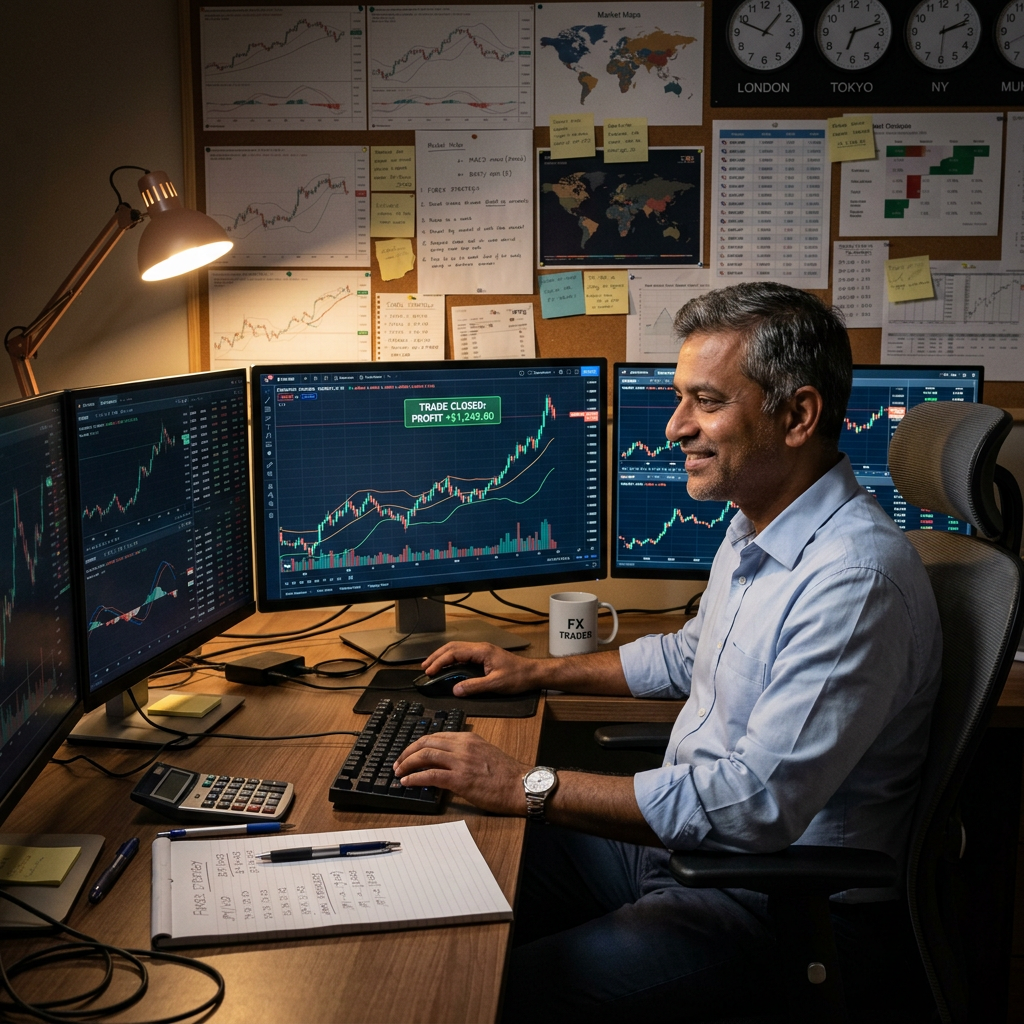
AI systems, constantly analyzing streaming market data can even proactively identify risk scenarios and take pre-emptive measures to automatically flag them as risky, or execute protective actions such as reducing exposure or exiting positions.
This helps to reduce surprise losses and ensures traders can react in real-time instead of too late, which can be key to capital preservation during times of volatility.
| Feature | Explanation |
|---|---|
| Instant Market Monitoring | AI tracks live price, volume, and liquidity changes in real time |
| Early Risk Alerts | Detects unusual spikes or drops before major losses occur |
| Flash Crash Protection | Identifies sudden crashes and volatility shocks immediately |
| Automated Response | Can trigger alerts or reduce exposure automatically |
2. Dynamic Position Sizing
By contrast, dynamic position sizing relies on AI to analyze volatility in a given asset and automatically adjust volumes based on risk tolerance and available account equity. Rather than using a fixed lot sizes, AI calculates optimal exposure for each trade in real-time.
At each point in time you have large amount of moneys coming in, availing a certain position size when volatility rises to reduce downside risk (thus `position sizing’) while if conditions indicates stability and steady returns, expose them for more give up (in better fit).

This adaptive nature protects traders from overexposure during times of uncertainty. Managing drawdowns is a prime candidate for deep integration into any system because it ensures the continued risk/reward balancing that facilitates long term portfolio growth without ever drawing down severely
| Feature | Explanation |
|---|---|
| Volatility-Based Adjustment | AI increases or decreases trade size based on market volatility |
| Capital Protection | Reduces position size during high-risk conditions |
| Profit Optimization | Expands exposure in stable and favorable markets |
| Real-Time Calculation | Continuously recalculates optimal trade size per asset |
3. Market Regime Classification
Using market regime classification,Ai can determine if the market is trending, ranging, black swan or low liquidity. This classification allows the trader to use the right strategy in the right condition.
For example, trends-following systems are more successful in relatively strong directional markets, while mean-reversion strategies will excel in sideways environments.
AI constantly assesses price structure, volatility and macro signals to do the switching between regimes automatically. This slashes drawdowns coming from applying the wrong strategies to the wrong environment.
AI modifies trading behaviour relative to market regimes, thus providing a more stable performance as well as guarding the capital against losses due to strategy misalignment.
| Feature | Explanation |
|---|---|
| Market Type Detection | Identifies trending, ranging, or volatile market conditions |
| Strategy Selection | Suggests best trading strategy for current regime |
| Automatic Switching | Adjusts models when market behavior changes |
| Risk Reduction | Prevents wrong strategies in unsuitable conditions |
4. Predictive Risk Signals
They predict risk using machine learning models to anticipate drawdowns before they occur. AI scans thousands of indicators — the first being historical patterns, followed by volatility shifts, order book behavior, and macroeconomic indicators.
These signals assist traders with early exit, lower exposure, and hedge risks for the next run. In contrast, predictive systems look ahead at market stress rather than react to it from traditional lagging indicators.

Such proactive approach drastically reduce the capital erosion during the downturns and black swan events. Traders tend to act before the realization of risks, preserving capital and keeping their portfolios healthier on a longer-term basis.
| Feature | Explanation |
|---|---|
| Future Risk Forecasting | Predicts possible drawdowns before they happen |
| Pattern Recognition | Uses historical and live data for predictions |
| Early Exit Signals | Helps traders close risky positions early |
| Hedging Support | Suggests protective strategies in advance |
5. Correlation Monitoring
Correlation monitoring helps traders avoid presenting an unconscious exposure of their portfolio to similar risk factors. AI monitors asset relationships in real time, signals that correlations have increased and what else is happening at the same time when a market stress event occurs.
For instance, crypto-assets become highly correlated during crashes and, thus, much greater drawdown risk. It either alerts traders or autonomously adjusts the positions to stay diversified. Resulting in minimization of hidden concentration risk across different assets that appear unrelated.
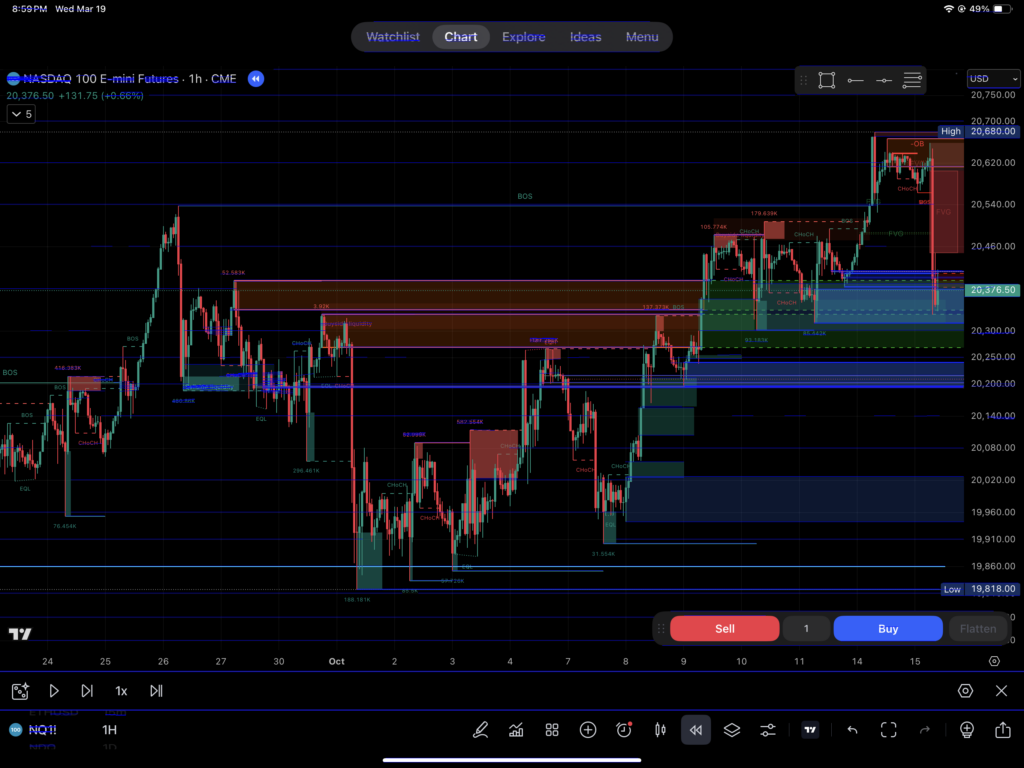
AI manages to minimize systemic exposure continuously studying as well the behaviors of cross-asset selections ensuring that a loss in one asset classes does not result in serial losses across the portfolio and leads to capital protection during extreme stress market environments.
| Feature | Explanation |
|---|---|
| Asset Relationship Tracking | Monitors how different assets move together |
| Hidden Risk Detection | Identifies overexposure across correlated assets |
| Diversification Control | Maintains balanced portfolio structure |
| Crisis Behavior Tracking | Detects rising correlations during market stress |
6. Emotionless, Rule-Based Execution
Emotionless, rational execution keeps human psychology away from the trading decision. AI is emotionless, based on predetermined plans and there are no emotions of fear, greed or reluctance that will cause an outcome.
It removes some of the more common trading mistakes like revenge trading, exiting before your profit target, and holding onto losers for too long. AI consistently implements fundamental risk management rules such as stop-losses and take-profits.
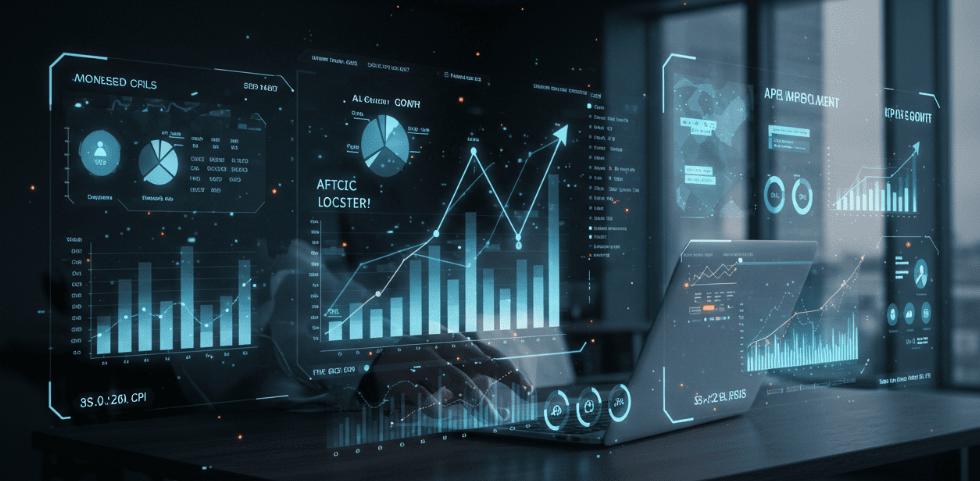
It mitigates the downside due to emotional trading by persevering in both bull and bear markets. This systematic strategy helps in ensuring the concentration of capital protects long-term performance stability.
| Feature | Explanation |
|---|---|
| No Emotional Trading | Removes fear, greed, and hesitation from decisions |
| Strict Rule Following | Executes predefined strategies without deviation |
| Consistent Performance | Maintains discipline in all market conditions |
| Reduced Human Error | Avoids impulsive trading mistakes |
7. Automated Sentiment Analysis
For example, automated sentiment analysis by AI scans news, social media, financial reports and global events for understanding market mood. In volatile markets such as crypto and equities, shifts in positive or negative sentiment will often precede price movements.
AI turns unstructured text into valid trading signals, guiding traders towards not taking a position during spikes in bad sentiment. Also highlighted is early northern momentum.

Including the emotional market data in risk models allows for a lowering of exposure at times when the markets are clearly selling off from fear – to help protect capital from sudden sentiment based crashes or irrational reactions in the market.
| Feature | Explanation |
|---|---|
| News Scanning | AI analyzes financial news and global updates |
| Social Media Tracking | Monitors market sentiment from online discussions |
| Emotion Detection | Identifies fear, greed, or optimism trends |
| Signal Generation | Converts sentiment into trading insights |
8. Automated Stop-Loss Optimization
With automated stop-loss optimization, the broker will dynamically adjust stop loss levels as liquidity changes based on volatility and price structure. Rather than employ fixed stop-losses
AI calculates optimal exit points that minimize avoidable stop-outs while also protecting against large losses. That means it takes into account things like support/resistance levels, ranging/volatility ranges and historical price behaviour.
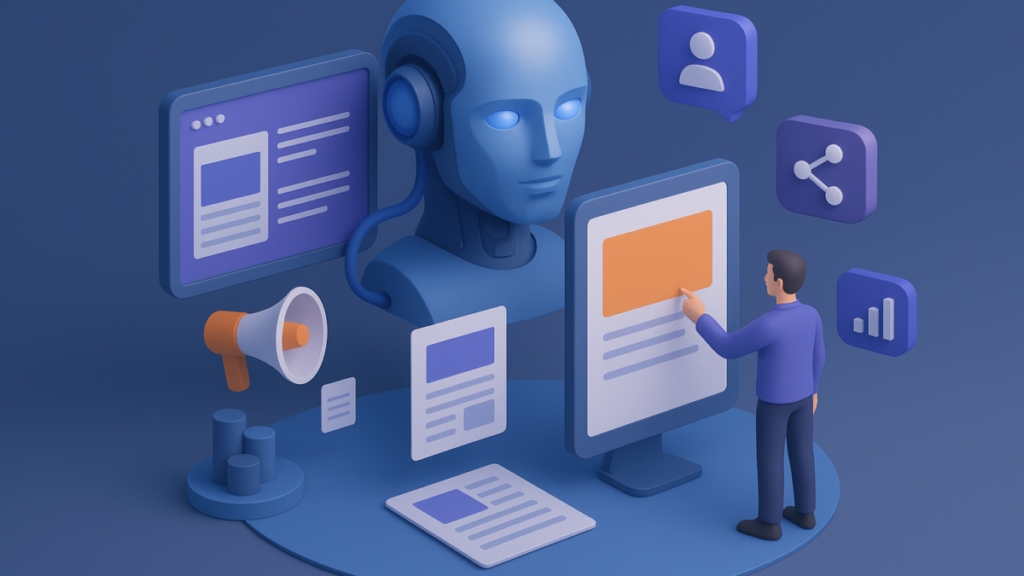
This increases the efficiency of your trades, while decreasing drawdowns caused by early exits and stop losses that are too far away. AI improves capital preservation by keeping traders disciplined around risk control and pay per trade revenue as they continually align the implementation of stop placement to evolving market conditions.
| Feature | Explanation |
|---|---|
| Dynamic Stop Adjustment | Changes stop-loss based on market conditions |
| Volatility Adaptation | Wider stops in volatile markets, tighter in stable ones |
| Reduced False Stops | Prevents premature stop-loss triggers |
| Profit Protection | Ensures losses remain controlled and limited |
9. 24/7 Market Surveillance
AI systems can monitor global financial markets around the clock non-stop.Tech transformed surveillance of market 24/7. In crypto and dollar markets which are 24/7, constant monitoring is a must.
In real time, AI monitors the price action, news events, liquidity fluctuations and volatility surges. This guarantees that no significant risk event goes ignored, irrespective of whether it is during off-hours.
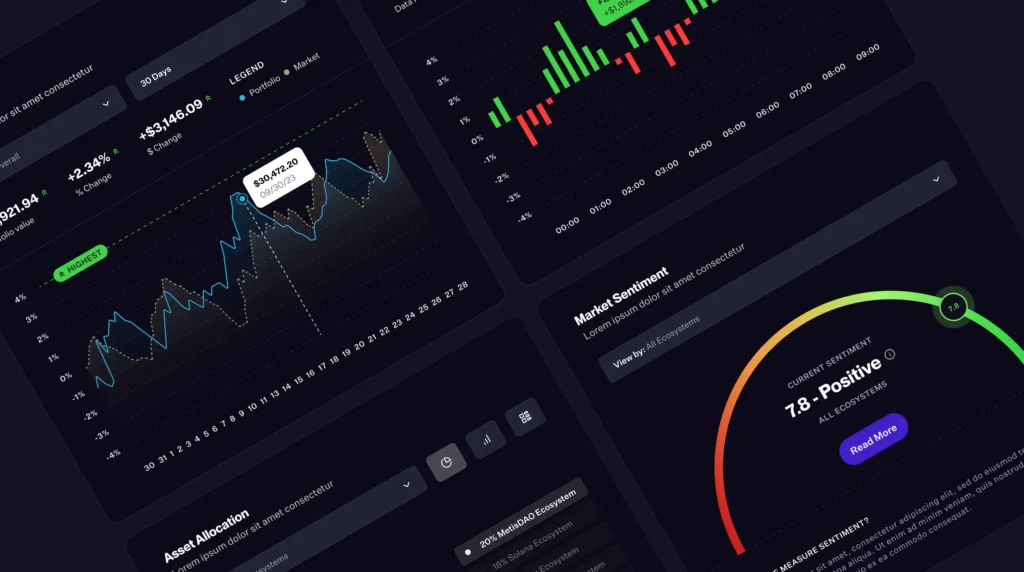
These can be set to trigger instantly, whether as automated alerts or actions to hedge/protect positions. Such constant oversight mitigates the risk of drawdowns due to unexpected overnight news or gaps, empowering traders to always maintain control of their capital.
| Feature | Explanation |
|---|---|
| Continuous Monitoring | Tracks global markets without interruption |
| Real-Time Alerts | Sends instant warnings for risky movements |
| Overnight Protection | Monitors markets even when traders are offline |
| Event Detection | Captures sudden news or liquidity changes |
10. Advanced Backtesting and Scenario Testing
Back testing and scenario testing permits traders to test their strategies based on historical as well as simulated market conditions. AI checks performance in crashing, bull and sideways markets.
The scenario modeling also incorporates extreme stress scenarios to guide you on potential drawdowns. It assesses strategy holes before real capital is hit. Traders can massively help mitigate losses in the future with optimised parameters + risk settings based on data-driven insights

Such a validation process on previous data makes sure that the strategies are better able to withstand uncertainty which in turn increases capital protection and long-term trading credibility.
| Feature | Explanation |
|---|---|
| Historical Simulation | Tests strategies using past market data |
| Stress Testing | Simulates crashes and extreme conditions |
| Strategy Optimization | Improves performance before live trading |
| Risk Evaluation | Measures potential drawdowns in advance |
Conclsuion
To summarise, AI is an essential building block to help traders manage drawdowns and protect capital efficiently. It minimises emotional bias and enhances decision making through real-time analysis, predictive insights and automated risk controls.
Traders use these intelligent systems to minimize losses, improve portfolio stability, and increase consistency that makes trading more secure as well as an efficient way of making trades in highly volatile and unpredictable financial markets.
FAQ
How does AI help reduce trading drawdowns?
AI reduces drawdowns by monitoring risk in real time, adjusting positions, and preventing large unexpected losses.
What is real-time anomaly detection in trading?
It identifies unusual price movements or volume spikes instantly to warn traders of potential market risks.
How does AI improve position sizing?
AI dynamically adjusts trade size based on volatility and account risk to avoid overexposure.
What is market regime classification?
It helps AI detect if the market is trending, ranging, or volatile so traders can use the right strategy.
