

This article discusses Dalio’s Age of Currency Breakdown calling for investors to ditch traditional thinking when it comes to their portfolios, forgo bonds, and try out gold and Bitcoin. Dalio says the growth in debt along with inflation and the devaluation of currency undermine bonds as a protected store of value.
Dalio sees gold as the best Post-currency hedge, Bitcoin as a digital way to do the same, and says people should diversify their assets in order to protect their wealth in potentially harsh economic environments.
About Dalio Urges Investors
According to Ray Dalio, investors should stop treating traditional portfolios the way they have in the past. He says that, in an inflationary environment, investors should significantly decrease their bonds exposure and increase their exposure to alternative investments.
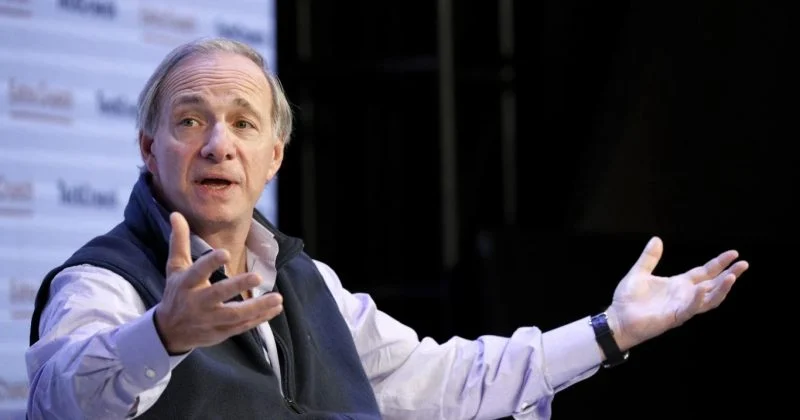
Dalio argues that bonds are increasingly more dangerous for wealth preservation because their real return potential is decreasing. Dalio prefers wealth preservation through Bitcoin and gold. He argues that both protect value against currency debasement more effectively than traditional assets.
Gold is a more traditional safe haven asset, while Bitcoin offers digital scarcity and an increasing level of institutional interest. This increasingly more common strategy involves investors moving away from fixed income assets for capital preservation in a dubious economic climate towards incorporating crypto and commodities.
Who is Ray Dalio?
Ray Dalio was born on August 8, 1949, in New York City. As a hedge fund manager, investor, author, and the founder of the largest global hedge fund, Bridgewater Associates in 1975, he has numerous entrepreneurial achievements. He has a BS in Finance from Long Island University and an MBA from Harvard Business School in 1973. His strategies of “The All Weather” Portfolio and Radical Transparency were hallmarks of his legacy in money management.
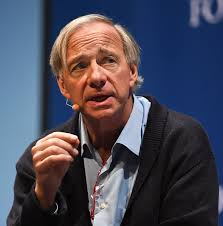
He gained recognition through his best-selling books and articles, most notably, “Principles: Life & Work” in 2017 and his views on the “Changing World Order” in which he outlines his thinking on the economic cycles while describing the rise and fall of nations. As of June 2026, Dalio’s net worth is about $21.5 billion, placing him among the richest investors in the world. Those ideas continue to shape the world’s investment strategies. Dalio has gained world acclaim for his ideas about “Debt”, “Inflation”, “Gold”, and “Bitcoin”.
Why Dalio Favors Gold
Structural Hedge
Dalio emphasizes gold’s speculative trade. Investing in gold is wealth protection in inflation and monetary uncertainty.
Safest Money
In 2026 at the World Governments Summit, Dalio called gold “the safest money” in a future scenario that he believes is a “capital war,” where there is the potential for weaponization of currencies.
Anti-Dollar Asset
In a world of high debt and endless money creation, Dalio believes gold is insurance against such a fiat system.
Central Bank Credibility
Gold is universally recognized, evidenced by the decades of central bank ownership and reserve status. This makes gold credible in times of financial stress.
Portfolio Allocation
Gold allocation 5 to 15 percent of a portfolio is risk adjusted, but Dalio holds 8 percent in gold.
Why Bitcoin Is Entering the Conversation
Digital Scarcity
Bitcoin has a programmable, verifiable supply of digital gold. The maximum supply of 21 million coins means Bitcoin is scarce.
Inflation Hedge
Investors believe that Bitcoin protects against inflation of debt-ridden economies and the devaluation of fiat currency.
Institutional Investment
Large financial institutions and corporations have started to acquire Bitcoin which has led to further integration of Bitcoin into the traditional economy.
Global Inclusion
Unlike gold, Bitcoin can easily be transferred across borders, resulting in greater liquidity and accessibility.
Diversification Investments
Dalio believes that Bitcoin in combination with gold can decrease overall risk, while simultaneously providing an opportunity for significant upside.
US, Canada trade teams race to reach deal before threatened 50% tariffs
US and Canadian negotiators are racing to agree on a deal before US tariffs on billions of dollars’ worth of Canadian exports by 50 percent come into force. The US said it will put hefty tariffs on goods including cars, steel, and consumer goods.
Meanwhile, the Canadian government said it will do dollar for dollar retaliation beginning September 8. The last minute demands by the US that Canada ‘share the risk’ with them on the dairy quota dispute were seen as ‘unfair’ by Canada, and negotiations in Washington, DC came to a standstill, causing fears of another trade war.
The dispute puts the integrated supply chains in North America at risk and increases costs for businesses and consumers on both sides of the border. It also threatens the CUSMA trade deal.
Why Debt Matters for Investors

Economic Growth
Increasing levels of debt fuel investment, driving growth in the short-term at the cost of a long-term obligation.
Impact of Interest Rate Changes
Central banks establish interest rates (via bond yields) based on the level of debt within the economy. These influences impact equity valuations and the cost of capital.
Inflation
Excessive debt levels result in currency losing value, thereby decreasing investment returns.
Credit Quality
Increased debt levels increase the likelihood of a default, thus the credit rating and debt sustainability of potential holdings becomes crucial to portfolio construction.
Volatility
Speculative investing based on excess leverage in the debt markets fosters opposite, but extreme outcomes.
Diversification
Knowledge of the debt obligation of a system is key to determining the liquid equity position that should be considered as protection against the unknown, such as Gold and Bitcoin.
Bonds vs. Gold vs. Bitcoin
| Aspect | Bonds | Gold | Bitcoin |
|---|---|---|---|
| Risk Level | Low to moderate, depends on issuer | Low, trusted safe haven | High, volatile asset |
| Return Potential | Fixed interest, limited upside | Moderate, long-term hedge | High upside, speculative |
| Liquidity | High in developed markets | High, globally tradable | Very high, 24/7 markets |
| Inflation Hedge | Weak, vulnerable to inflation | Strong, centuries of trust | Strong, digital scarcity |
| Institutional Trust | Strong, backed by governments | Strong, central bank reserves | Growing, ETFs & funds |
| Volatility | Low, predictable | Moderate | Very high |
| Accessibility | Requires broker or bank | Widely available | Borderless, digital wallets |
| Role in Portfolio | Income & stability | Hedge & safe haven | Diversification & growth |
The Debt Problem Behind Dalio’s Warning

Ray Dalio sees excessive debt as a threat to both economic stability and confidence of investors. He maintains that those who exhibit this behavior will not be able to sustain themselves in the long term and will eventually force the hand of central banks by compelling them to print.
He argues that the current economic situation, with governments and private sectors combining to borrow to grow, is a ticking time bomb. Dalio argues that this behavior will consume and erode the value of currency, fostering inflation and making bonds a less appealing store of value. He believes is a significantly negative impact on investors of rising debt levels.
An economy based on excessive debt is fragile. He advocates that investors look at Bitcoin and gold to diversify their portfolios as a way to hedge against currencies losing their value (currency debasement) while also preserving their wealth.
Inflation, Currency Debasement and Portfolio Risk
Real Return Losses Due to Inflation: Inflation results in reduced purchasing power and decreased returns on cash/bond holdings.
Currency Debasement and Fiat Erosion: Fiat currency is rapidly losing its value as a store of wealth due to money printing and debt monetization.
Bond Market Attractiveness: In a positive inflation/yield environment, fixed income becomes a risky investment as negative real yields become a real possibility.
Gold’s Hedging Capability: In inflationary environments where currency loses purchasing power, gold preserves value.
Bitcoin’s Hedging Capability: Bitcoin has digital scarcity and portability as a hedge from currency debasement.
Diversification: As an inflation hedge, combining gold, Bitcoin, and bonds manages risk due to positive correlation.
Bitcoin and Gold: Similarities and Key Differences
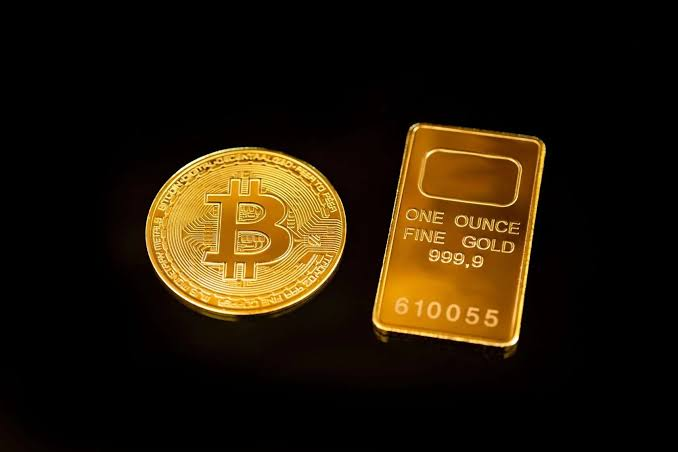
Similarities
Scarcity : Both are scarce, gold is naturally finite and there’s a finite supply of 21 million Bitcoin.
Store of Value: Both hold value against currency devaluation.
Non-Sovereign Assets: Neither are run by the government, making them better alternatives to traditional money.
Global Acceptance: Gold is recognized and trusted worldwide. Bitcoin is gaining trust from institutions.
Key Differences
Tangibility: Gold is stored in the vault and is physical, whereas Bitcoin is stored in a digital wallet.
Volatility: Gold has been stable, Bitcoin is volatile.
Accessibility: Gold, along with physical logistics, is not easily accessed outside of your country, whereas Bitcoin is.
Historical Trust: Gold has been trusted for thousands of years. This is the first time Bitcoin is an asset.
Does Dalio’s Advice Mean Investors Should Sell All Bonds?

No. I think Ray Dalio’s message needs to be interpreted as an underweight recommendation for bonds, rather than an elimination recommendation for bonds. Bond underweighting makes sense because Dalio is concerned long term about future inflation and currency depreciation. Unlike in the past, especially with the proliferation of U.S. debt, traditional bonds become less attractive in terms of hedging in an inflationary environment.
For investors with short time horizons or low risk tolerance, bonds can still provide stable income and portfolio diversification. The biggest problem for investors is concentrated duration risk. This is the risk of rising long-term interest rates and a resulting drop in bond valuation.
Ray Dalio is actually talking about diversifying away from fixed income, but more so about an excessive reliance on bonds as a safe-haven asset. His suggestion of a small amount of gold and Bitcoin is more of a diversification strategy and not just a substitution from bonds to Bitcoin.
What Investors Should Watch Next in 2026
Investors need to watch U.S. Treasury yields, inflation, the Federal Reserve, government borrowing, and the strength of the dollar over the next two years while tracking gold and Bitcoin prices, as Dalio warned.
Long treasury yields have hit their highest level in years, and bond investors are nervous about fiscal deficits and the risk that the U.S. will not be able to refinance its debt. As the currency debasement narrative continues, investors will want to know if gold and Bitcoin continue to attract capital.
The Fed, inflation data, and the employment reports, as well as the Treasury’s changing debt management policies, also have the potential to disrupt Dalio’s defensive strategy, as investors continue to watch to see if increasing debt will erode bond value while gold and Bitcoin demand increases.
Pros & Cons
| Asset | Pros | Cons |
|---|---|---|
| Bonds | Stable income, predictable returns | Weak inflation hedge, limited upside |
| Gold | Safe haven, inflation protection | No yield, storage & logistics costs |
| Bitcoin | Digital scarcity, high upside potential | Extreme volatility, regulatory uncertainty |
| Diversification | Each asset plays a unique role | Overexposure increases portfolio risk |
| Liquidity | Bonds & Bitcoin highly liquid | Gold less portable, slower transactions |
| Institutional Trust | Bonds & gold widely trusted | Bitcoin still building credibility |
| Inflation Hedge | Gold & Bitcoin strong hedges | Bonds vulnerable to inflation |
| Volatility | Bonds & gold relatively stable | Bitcoin highly volatile |
Conclusion
Ray Dalio’s theory shows that the relationship between debt, inflation, and investor portfolios is delicate and connected in a fragile way. Dalio says utilizing bonds in debt–funded economies exposes investors to the risks of negative real returns and other systemic concerns.
As “the safest money,” Dalio still stands by gold because of its decade’s-long track record of consumer trust and its resilient ability to deal with currency inflation. Because of digital scarcity and potential growth, Bitcoin also enters the discussion as a contemporary hedge.
Dalio shows that, in times of utmost uncertainty, these assets provide both diversification and protection. At that time, investors had to consider ways of preserving their wealth through alternative value and low reliance on bonds. He proposed new ways of looking at typical allocations.
FAQs
Who is Ray Dalio?
Ray Dalio is the founder of Bridgewater Associates, one of the world’s largest hedge funds, known for his insights on debt cycles, inflation, and global markets.
What does Dalio urge investors to do?
He advises reducing reliance on bonds and diversifying into assets like gold and Bitcoin to hedge against debt risks and currency debasement.
Why does Dalio favor gold?
Dalio calls gold “the safest money,” a hedge against inflation and geopolitical instability, recommending 5–15% portfolio allocation.
What role does Bitcoin play?
Bitcoin offers digital scarcity, portability, and asymmetric upside, complementing gold as a modern hedge against fiat erosion.
How does debt affect investors?
Excessive debt pressures central banks to print money, leading to inflation, weaker bonds, and systemic portfolio risks.