


In this article, I’ll discuss the Best Arkham Intelligence Tools to Track Whales. I’ll emphasize the features that enable users to identify big wallets, analyze transactions, track funds’ movements, study portfolio changes, and monitor cross-chain activity.
We will also go into detail on how each tool can be used for whale research, including entity identification, transaction analysis, visual tracking, custom alerts, dashboards and historical blockchain data.
Key Points & Best Arkham Intelligence Tools to Track Whales
- Entity Profiler: Identify whale wallets and connect addresses to known entities.
- ULTRA Engine: Analyze blockchain data quickly to uncover complex whale activity.
- Visualizer: Map wallet connections and transaction flows through interactive blockchain graphs.
- Counterparty Breakdown: Examine counterparties involved in whale transactions and fund movements.
- Custom Dashboards: Monitor selected whale metrics, wallets, transactions, and activity conveniently.
- Advanced Transaction Logs: Review detailed transaction histories to track whale movements accurately.
- Portfolio Archive: Analyze historical wallet holdings and changes across different timeframes.
- Custom Alerts: Receive notifications when tracked whales make significant blockchain transactions.
- Intel Exchange: Access and share blockchain intelligence about notable whale addresses.
- Multi-Chain Support: Track whale activity across multiple supported blockchain networks simultaneously.
10 Best Arkham Intelligence Tools to Track Whales
1. Entity Profiler
Entity Profiler enables you to investigate whale wallets and associate blockchain addresses with known entities or organizations. It can provide important information like wallet labels, identified identities, token holdings, portfolio value and transaction history.
By looking at these details together, traders and researchers can learn who controls an address, what assets it has, and how its activity changes over time. Entity relationships can also help identify relationships between wallets, exchanges, funds, and other blockchain actors.

This tool allows for a structured profile of an entity for whale tracking, which can be used to explore large holders, track their activity, and understand their broader on-chain footprint.
Entity Profiler Pros & Cons
| Pros | Cons |
|---|---|
| Connects wallets with identified entities and labels | Identification accuracy can vary by available intelligence |
| Shows holdings and portfolio information | Large entities may involve many related addresses |
| Helps investigate historical wallet activity | Beginners may need time to interpret entity relationships |
| Provides useful context around connected addresses | Some wallet identities may remain unknown |
| Useful for researching major holders | On-chain data does not always reveal ownership intent |
2. ULTRA Engine
ULTRA Engine allows for quick analysis of blockchain data by processing wallet, entity and transaction information across supported networks. This is especially true for whale tracking, where users can search addresses, review transactions, and analyze blockchain activity without manually reviewing individual records.
Its real-time data processing capabilities can assist in identifying significant wallet movements and recent transaction activity. Cross-chain analysis is especially useful when a whale is active on several blockchain networks.
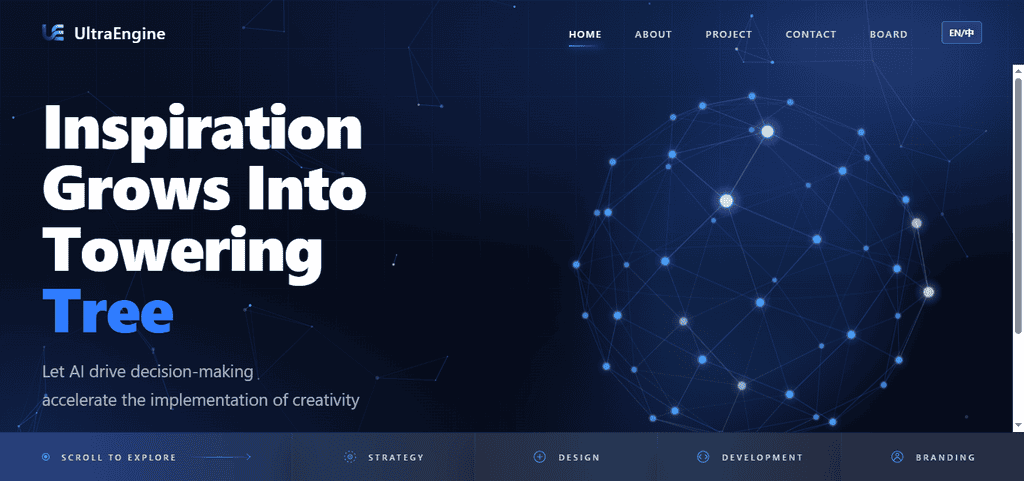
The search and query functions also enable users to explore specific addresses, tokens, transactions or entities. ULTRA Engine’s speed of processing, search ability and wide data coverage make it a useful tool for researching large transactions and tracking changing whale activity.
ULTRA Engine Pros & Cons
| Pros | Cons |
|---|---|
| Enables fast blockchain data searches | Advanced queries can require analytical knowledge |
| Supports detailed wallet investigations | Large datasets can produce substantial information |
| Helps analyze recent transaction activity | Results depend on supported blockchain coverage |
| Useful for cross-chain research | Complex investigations may require additional filtering |
| Reduces manual blockchain exploration | Real-time information may still require verification |
3. Visualizer
Visualizer is a graphical tool for exploring relationships between blockchain wallets, entities and transactions. Instead of reviewing transaction records individually, users can follow wallet-to-wallet connections and see how the funds move between addresses. This may help to reveal the whale movement patterns, related entities and potential transaction pathways.

Fund-flow visualization is particularly useful in the case of a large wallet with several addresses, exchanges or other entities. The tool can also help interpret complex transaction relationships by demonstrating them as connected flows.
And for whale research, Visualizer allows users to track transaction paths, find related wallets, and get a sense of the bigger picture behind major on-chain fund movements.
Visualizer Pros & Cons
| Pros | Cons |
|---|---|
| Makes transaction relationships easier to see | Complex wallet networks can become visually crowded |
| Helps trace fund movements | Large transaction histories may be difficult to interpret |
| Highlights connections between addresses | Visualization alone does not establish ownership |
| Useful for following multi-step transfers | Beginners may need blockchain-analysis experience |
| Provides graphical investigation context | Some relationships require additional transaction research |
4. Counterparty Breakdown
Counterparty Breakdown allows users to see which wallets, entities or platforms are most active with a whale address. It can sort incoming and outgoing transactions to show key counterparties and the volume of activity associated with each relationship.
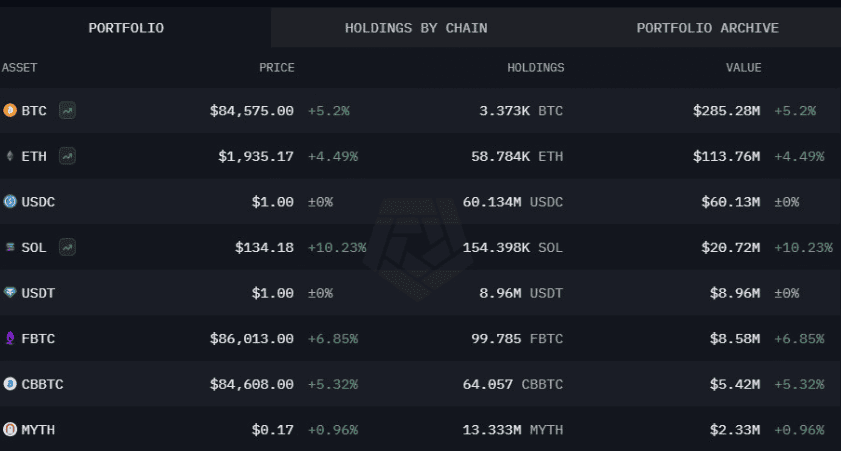
This information can help to show if a whale is transferring assets mostly to exchanges, other wallets, protocols, or specific entities. Transaction volume analysis by counterparty can also assist researchers in identifying ongoing relationships and significant changes in activity.
For tracking whales this tool provides context to each transaction, showing who is the counterparty in the movement. This facilitates investigation of trading, transfer and interaction patterns around large wallets.
Counterparty Breakdown Pros & Cons
| Pros | Cons |
|---|---|
| Identifies frequently interacting counterparties | High-volume wallets can have numerous counterparties |
| Separates incoming and outgoing activity | Frequent interaction does not necessarily indicate affiliation |
| Helps analyze transfer relationships | Transaction volume requires contextual interpretation |
| Shows activity surrounding a wallet | Automated transactions can complicate analysis |
| Adds context to individual whale transactions | Counterparty data alone cannot explain transaction intent |
5. Custom Dashboards
Custom Dashboards enable users to create custom monitoring dashboards for the blockchain metrics that are most important to their whale tracking research. Create a centralized workspace where important wallet information, portfolio metrics, transaction activity and other data can be arranged.
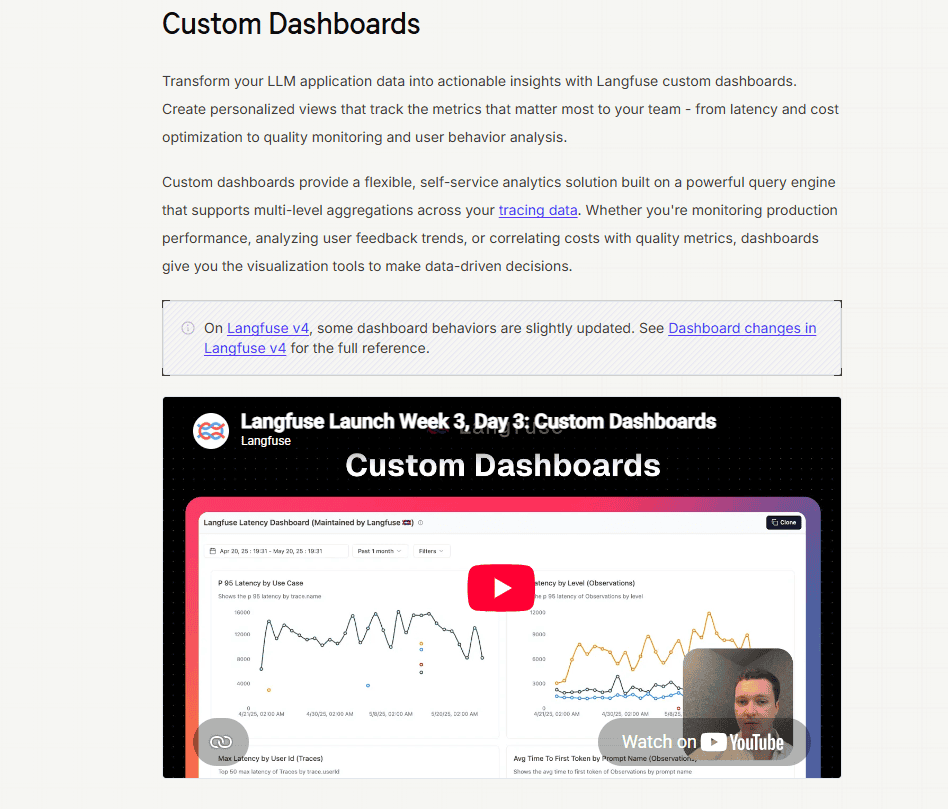
Multiple widgets help you keep track of multiple wallets or indicators so you don’t have to look for the same information again and again. A personalized dashboard can focus on large holders, transaction movements, portfolio changes or specific entities, depending on the research objective.
This setup can give a more organized look at changing whale activity for ongoing monitoring. This is especially helpful for users that often track multiple addresses and want key information in one place.
Custom Dashboards Pros & Cons
| Pros | Cons |
|---|---|
| Creates personalized monitoring layouts | Initial dashboard setup can require experimentation |
| Centralizes important whale metrics | Too many widgets can reduce readability |
| Helps monitor multiple addresses | Useful configurations depend on individual research needs |
| Reduces repeated searches | Dashboard maintenance may be needed as tracking priorities change |
| Supports organized ongoing research | Advanced customization may take time to learn |
6. Advanced Transaction Logs
Advanced Transaction Logs provide granular examination of individual blockchain transactions and wallet activity history. Key information may include sender and receiver addresses, tokens transferred, transaction amounts, timestamps and transaction status.
Reviewing such records helps users learn when assets were moved, from where and which address received them. Historical transaction data can also reveal repeated transfers, unusual large movements and changes in the activity of a wallet in time.
Whale tracking is not only about summary portfolio information, but detailed logs that provide the underlying transaction evidence to investigate significant movements. This makes transaction-level analysis useful for research on the timing, size and direction of whale transfers.
Advanced Transaction Logs Pros & Cons
| Pros | Cons |
|---|---|
| Provides detailed transaction-level information | Large wallets can generate extensive transaction records |
| Shows sender and receiver addresses | Raw blockchain data can be difficult for beginners |
| Includes transaction amounts and timestamps | Individual transactions may lack contextual information |
| Supports historical activity investigation | Manual review can become time-consuming |
| Useful for verifying wallet movements | Transaction records do not always explain the reason behind transfers |
7. Portfolio Archive
Portfolio Archive allows users to view the evolution of a whale’s holdings and portfolio makeup over time. Researchers can compare historical snapshots of the portfolio to see changes in asset allocation and wallet balances, rather than just looking at current balances.
By observing token holdings over time, you can see when a whale was accumulating, reducing or changing exposure between various assets. Historical portfolio information can also help provide context around major transactions and broader changes in wallet behavior.
This tool is useful for long-term whale research to identify recurring accumulation or distribution patterns and to understand how the holdings of an entity evolve. Therefore, comparing portfolio information from the past and present can provide a more accurate picture of long-term on-chain activity.
Portfolio Archive Pros & Cons
| Pros | Cons |
|---|---|
| Enables historical portfolio comparisons | Historical portfolio data can be extensive |
| Shows changes in asset allocation | Past holdings do not guarantee future behavior |
| Helps identify accumulation patterns | Portfolio changes may require transaction-level verification |
| Provides longer-term wallet context | Rapidly changing portfolios can be harder to interpret |
| Useful for studying whale behavior over time | Asset movements may have multiple possible explanations |
8. Custom Alerts
Watch specific whale wallets and get notified when predefined blockchain activity happens with Custom Alerts. Depending on monitoring options available, alerts can be set for relevant wallet activity (large transactions, transfers, balance changes, etc).
This removes the need to check the same addresses manually throughout the day. For whale tracking, timely alerts can help users to spot major movements shortly after they occur and explore the associated transaction details.
Customization is important because different researchers will be looking at different wallets, assets or transaction thresholds. Targeting alerts on specific activity allows users to be more precise when building out a monitoring system for following large holders and their changing on-chain behavior.
Custom Alerts Pros & Cons
| Pros | Cons |
|---|---|
| Helps monitor selected whale wallets | Too many alerts can create notification overload |
| Reduces the need for constant manual checking | Poorly configured thresholds may miss relevant activity |
| Can highlight significant wallet movements | Alerts require appropriate monitoring criteria |
| Supports ongoing address tracking | Notifications still need investigation and verification |
| Useful for time-sensitive transaction monitoring | Alert usefulness depends on the selected wallets and conditions |
9. Intel Exchange
Intel Exchange is a blockchain intelligence and address related information platform brought to you by the Arkham community. Community-provided intelligence can provide context to wallets, entities, and blockchain activity that may not be apparent from transaction data alone.
Analyst contributions can help users explore address relationships, entity information and other relevant on chain information. Information provided by the community should be considered together with transaction evidence and other available information, as intelligence submitted may need to be validated further.
Whale Tracking Intel Exchange can provide additional investigative context when researching an unfamiliar wallet or entity. It can improve transaction analysis by allowing users to discover possible identities, relationships and background information associated with blockchain addresses.
Intel Exchange Pros & Cons
| Pros | Cons |
|---|---|
| Adds community-driven blockchain intelligence | Community-submitted information may require verification |
| Can provide context for unfamiliar addresses | Not every submission will have the same research quality |
| Helps investigate wallet-related information | Users should distinguish intelligence from confirmed blockchain facts |
| Offers additional investigative perspectives | Community data can become outdated |
| Complements transaction-based research | External information should be checked against on-chain evidence |
10. Multi-Chain Support
Multi-chain support allows you to analyze whale activity on multiple chains supported by the tool, instead of being limited to a single chain. This is important because large holders and organizations might hold wallets or move assets across different networks.
Cross-chain tracking can provide greater visibility into transactions, holdings and wallet relationships across supported ecosystems. Unified entity identification can also help researchers connect relevant addresses that belong to the same known entity where Arkham has identified those relationships.
By aggregating activity across multiple networks, users can explore a whale’s wider footprint on the blockchain and observe movements that could be missed when analyzing a solo chain. This gives further insight into cross-chain whale activity and asset movement.
Multi-Chain Support Pros & Cons
| Pros | Cons |
|---|---|
| Enables whale research across supported networks | Cross-chain activity can make investigations more complex |
| Provides broader wallet activity visibility | Not every blockchain or asset may be supported |
| Helps identify activity across ecosystems | Address formats and transaction structures can differ |
| Useful for tracking diversified whale portfolios | Cross-chain transfers may require additional analysis |
| Creates a broader view of blockchain activity | Connecting activity across networks can require careful verification |
Conclusion
Conclusion The Best Arkham Intelligence Tools to Track Whales provide practical ways to research wallets, transactions, portfolio changes, counterparties and cross-chain activity. Entity Profiler, Entity Visualizer, Advanced Transaction Logs, Custom Alerts and Multi-Chain Support each provide different tracking capabilities.
These tools combined enable users to keep track of significant wallet transactions, understand transaction relationships, review past actions, and gain more insight into the behavior of blockchain whales.
FAQ
What are the best Arkham Intelligence tools to track whales?
The best tools include Entity Profiler, ULTRA Engine, Visualizer, Counterparty Breakdown, Custom Alerts, Portfolio Archive, and Multi-Chain Support. Each focuses on different aspects of whale research.
How does Entity Profiler help track whales?
Entity Profiler helps identify wallets, labels, holdings, transaction history, and relationships, making it useful for researching large blockchain entities.
Can Arkham track whale transactions?
Yes, Arkham provides transaction data that can help users monitor large transfers, wallet activity, fund movements, and historical transactions across supported networks.
What does Arkham Visualizer do?
Visualizer displays connections between wallets and entities, helping users follow fund flows, transaction relationships, and potential movement patterns.
