

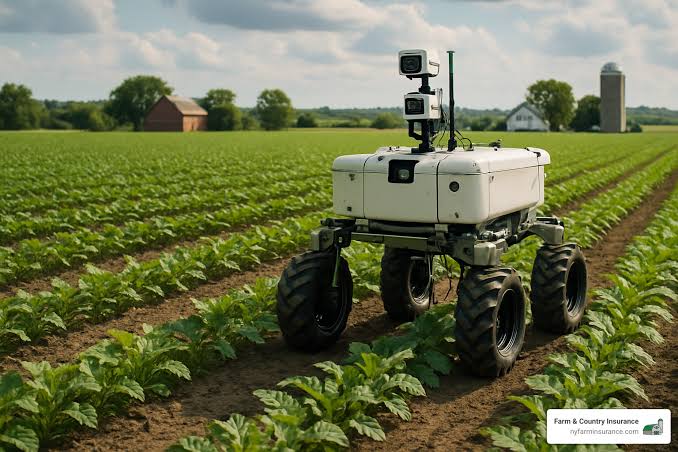
In this article I will review the Best Farmland Investing Platforms and explain how each platform works, what region(s) they target, the types of properties they offer, and the management style(s).
I will discuss the potential positives and drawbacks of each along with what investors will want to consider when choosing a farmland investment opportunity. This will enable an investor to compare options effectively.
Key Points & Best Farmland Investing Platforms
- AcreTrader: Enables fractional farmland ownership across crops and timber through vetted properties nationwide.
- FarmTogether: Provides crowdfunding, bilateral offerings, funds focused professionally managed U.S. agricultural land investments.
- Farmland Partners (FPI): Publicly traded REIT offering investors daily liquidity through stock market transactions easily.
- Gladstone Land (LAND): Public farmland REIT provides monthly dividends alongside transparent public financial reporting disclosures.
- Steward: Loan crowdfunding and debt investments support sustainable, regenerative farm projects seeking capital.
- Harvest Returns: Connects investors with debt and equity opportunities spanning livestock, timber, and crop production.
- FarmFundr: Offers equity ownership in farm parcels, linking returns to crop revenues.
- LANDE: Specialized crowdlending platform finances European agricultural projects through direct investor lending opportunities.
- LendSecured: Crowdfunding platform specializes in secured agricultural loans, providing investors with collateral-backed opportunities.
- InSoil: Regulated P2P platform connects global capital directly with European farmers seeking financing.
10 Best Farmland Investing Platforms for 2026
1. AcreTrader
AcreTrader provides its users with the opportunity to invest in fractional shares of farm lands in the United States. They help users invest in farm lands that grow crops such as fruits and vegetables, as well as lands that grow trees. AcreTrader has a very intense process when it comes to choosing properties to offer investments for.

Before they make offers to users, they look at the quality of the property, where the property is located, the farmers, the financial aspects of the property, and the basic aspects of agriculture. Users that take part in the process can generate income by renting the land
As the farmers take care of all of the farm operations. AcreTrader also focuses on reducing the work users have to do in order to manage farm land investments, which attracts users to agriculture and real asset investing.
AcreTrader — Key Features
| Feature | Details |
|---|---|
| Investment Type | Fractional farmland ownership |
| Geographic Focus | United States |
| Property Types | Row crops, permanent crops, and timber |
| Management | Professional farm operators |
| Selection Process | Detailed property and operator due diligence |
| Investor Benefit | Potential rental income and land appreciation |
| Distinctive Feature | Access to institutional-style farmland investments without buying an entire farm |
| Liquidity | Generally limited compared with publicly traded investments |
| Best Suited For | Investors seeking long-term U.S. farmland exposure |
2. FarmTogether
FarmTogether gives users access to farmland investment opportunities that are managed by professionals. They offer many options when considering farmland investments. These options include crowdfunding, bilateral transactions, and farmland funds.

Like AcreTrader, FarmTogether focuses on U.S. farmlands and combines investment technology and farmland asset management to help users simplify farmland investment. FarmTogether advantage is offering many farmland investment options, helping users decide
Whether to invest in a single farm or many farms, based on their preferences. FarmTogether Not only assesses farms, but also manages the investments in farmland, which simplifies agriculture real estate investing.
FarmTogether — Key Features
| Feature | Details |
|---|---|
| Investment Type | Crowdfunding, bilateral investments, and farmland funds |
| Geographic Focus | Primarily United States |
| Asset Focus | Professionally managed agricultural land |
| Investment Structures | Individual properties and diversified funds |
| Management | Professional agricultural and asset managers |
| Income Potential | Agricultural income and potential property appreciation |
| Distinctive Feature | Multiple investment structures provide flexibility for different investor strategies |
| Liquidity | Typically less liquid than publicly traded securities |
| Best Suited For | Investors wanting professionally managed farmland diversification |
3. Farmland Partners (FPI)
Farmland Partners fields the FPI ticker and is a public stock listed real estate investment trust (REIT) specializing in farmland investing. The public listing differentiates Farmland Partners to private farmland investment platforms. Instead of an illiquid buy and lonely hold, investors can buy shares, sell shares, and buy more shares whenever they want through an exchange.

Unlike many farmland investment trusts that use private markets, Farmland Partners allows for real-time monitoring of share price, financial reports, and news due to its public market structure.
Farmland Partners farmland is leased to farmers. Investors enjoy the real estate ownership coupled with liquidity of the stock market even though price, of course, will fluctuate due to the sentiments of the market and most investors.
Farmland Partners (FPI) — Key Features
| Feature | Details |
|---|---|
| Investment Type | Publicly traded REIT |
| Geographic Focus | United States |
| Asset Focus | Agricultural farmland |
| Trading | Shares traded through public markets |
| Liquidity | Daily stock-market liquidity |
| Revenue Model | Leasing farmland to agricultural operators |
| Distinctive Feature | Provides farmland exposure without requiring direct private-property ownership |
| Reporting | Public financial disclosures and corporate reporting |
| Market Risk | Share prices can fluctuate with market conditions |
| Best Suited For | Investors prioritizing liquidity and publicly traded farmland exposure |
4. Gladstone Land (LAND)
Like Farmland Partners, Gladstone Land (LAND) is another example of a publicly traded REIT. This means that through an exchange listed share, investors now have easy access to agricultural real estate. Management of Gladstone Land farms leases out farmland to farming operators which helps protect rental income and in turn, shareholder dividends.

Considered a competitive advantage in the marketplace, Gladstone Land offers a dividend payment that is consistent and occurs on a monthly basis. As with Farmland Partners, because of the working nature of the farms, the volatility of the market and the tenants of the operations should continue to be a consideration.
Gladstone Land (LAND) — Key Features
| Feature | Details |
|---|---|
| Investment Type | Publicly traded farmland REIT |
| Geographic Focus | United States |
| Asset Focus | Agricultural properties |
| Income Model | Primarily farmland rental income |
| Investor Distribution | Monthly dividend-oriented structure |
| Liquidity | Public stock-market trading |
| Management | Professional REIT management |
| Distinctive Feature | Combines agricultural real estate exposure with recurring monthly distributions |
| Reporting | Regular public financial disclosures |
| Best Suited For | Investors seeking farmland exposure and potential recurring income |
5. Steward
Steward offers farmers and ag businesses financing through crowdfunding and debt-based investment to support sustainable and regenerative farming. Steward’s structure does not primarily focus on building fractional ownership of farmland.
Rather, their model enables farmland-based investments by matching investors to farming projects requiring funds for operational, equipment, or infrastructure needs.

Their focus is specifically on farming practices that support the healthy growth of soil, creation of a more resilient environment, and the production of food in a sustainable manner.
Depending on the specifics of each offering, investors are able to receive a payment of interest for an agricultural loan. As a result, Steward creates an opportunity for investors who wish to receive financial return on their investment, support independent farming, and support sustainable agriculture.
Steward — Key Features
| Feature | Details |
|---|---|
| Investment Type | Agricultural debt and crowdfunding |
| Geographic Focus | Primarily U.S.-focused opportunities |
| Borrowers | Farmers and agricultural businesses |
| Project Focus | Sustainable and regenerative agriculture |
| Financing Uses | Equipment, infrastructure, expansion, and farm operations |
| Return Structure | Potential interest from agricultural loans |
| Distinctive Feature | Connects investment capital with farmers pursuing regenerative agricultural practices |
| Ownership | Investors generally finance projects rather than directly owning farmland |
| Risk Consideration | Borrower repayment and agricultural business risks |
| Best Suited For | Investors interested in agricultural lending and sustainability |
6. Harvest Returns
Harvest Returns is a platform to support investment in multiple sectors of the agricultural value chain. This platform utilizes both equity and debt structures and allows for timber, livestock, specialty crops, and other agricultural production.
Harvest Returns offers a unique alternative for investors because they can consider the potential of different production models such as ownership and non-ownership. Different agricultural models may have various returns.

The underlying projects are usually managed by agricultural operators and investors should analyze the terms and risks of each offering. Each offering may offer a return of interest, profits, or appreciation of the asset. The returns may be all or a combination of these.
Harvest Returns — Key Features
| Feature | Details |
|---|---|
| Investment Type | Debt and equity investments |
| Agricultural Sectors | Crops, livestock, timber, and specialty agriculture |
| Geographic Focus | Agricultural opportunities in selected markets |
| Return Sources | Interest, operating income, and potential appreciation |
| Management | Experienced agricultural operators |
| Diversification | Exposure across multiple agricultural sectors |
| Distinctive Feature | Goes beyond traditional farmland by including diverse agricultural businesses |
| Investment Horizon | Varies by individual offering |
| Risk Consideration | Operational, commodity, weather, and market risks |
| Best Suited For | Investors seeking broader agricultural investment exposure |
7. FarmFundr
FarmFundr allows investors to gain the equity interests in farmland with operational managers. This investment model provides farmland ownership with operational management. Investors do not need to directly oversee the planting and harvesting or the farm tenants, equipment, or the agronomic activities.

The performance of the farmland directly correlates to the potential return on this unique investment model. FarmFundr assesses farmland and partner with agricultural operators to manage the activities.
This investment provides exposure to farmland with operational control, however farmland investments carry operational risks such as commodity and weather risks, as well as liquidity risks and market risk.
FarmFundr — Key Features
| Feature | Details |
|---|---|
| Investment Type | Equity ownership in farmland |
| Geographic Focus | U.S. agricultural properties |
| Asset Focus | Individual farm parcels |
| Revenue Sources | Crop-related income and potential land appreciation |
| Operations | Professional agricultural management |
| Investor Role | Passive ownership rather than direct farm operation |
| Distinctive Feature | Links farmland ownership with the economics of agricultural production |
| Management Responsibility | Professional operators handle farming activities |
| Risk Consideration | Weather, crop prices, operations, liquidity, and land values |
| Best Suited For | Investors seeking direct farmland equity exposure |
8. LANDE
LANDE is a farm project financing platform limited to European markets. Unlike purchasing farmland, investors extend financing to agriculture businesses and farmers wanting investment to purchase farm equipment, to satisfy a farm related need, for working capital, or for other ventures or projects.

One distinguishing feature is investment backed farm lending wherein investments are made against collateral pertaining to farm assets or property. Investors have an opportunity to lend on European farm based enterprises lacking financing, and have the potential to earn interest on their loans.
Each financing opportunity has its own return, payment, risk, and collateral protection schedule. For this reason, investors must consider the borrower, the collateral, loans terms, and the platform’s specific rules and conditions.
LANDE — Key Features
| Feature | Details |
|---|---|
| Investment Type | Agricultural crowdlending |
| Geographic Focus | Europe |
| Borrowers | Farmers and agricultural businesses |
| Financing Model | Investors provide loans to agricultural projects |
| Security | Selected investments may use agricultural collateral |
| Potential Return | Interest generated through loan repayments |
| Distinctive Feature | Specialized marketplace connecting investors with European agricultural borrowers |
| Investment Ownership | Loan exposure rather than direct farmland ownership |
| Risk Consideration | Borrower default, collateral, and agricultural risks |
| Best Suited For | Investors interested in European agricultural lending |
9. LendSecured
LendSecured is a crowdfunding platform centered on farm financing with secured loans. Rather than purchasing farmland, investors have the opportunity to fund agricultural loans. The platform is noted for its secured loans.
Although farm loans backed by collateral may be deemed less risky investments than unsecured farm loans, collateral does not eliminate the risk of investment. Investors have the opportunity to earn interest on loans that are paid back by borrowers.

Farm financing may include the purchase of land or equipment, development, or the operation of a farm. Agricultural financed activities may have risk with varying returns. Potential investors need to examine borrowers, collateral, payment terms, and the platform’s rules and conditions.
LendSecured — Key Features
| Feature | Details |
|---|---|
| Investment Type | Secured agricultural crowdfunding |
| Primary Structure | Agricultural loans |
| Borrowers | Agricultural businesses and project owners |
| Security | Collateral-backed opportunities |
| Potential Return | Interest from borrower repayments |
| Asset Exposure | Agricultural projects rather than direct farmland ownership |
| Distinctive Feature | Focuses on secured lending designed to provide collateral support |
| Repayment | Based on individual loan agreements |
| Risk Consideration | Default risk remains despite collateral |
| Best Suited For | Investors seeking agricultural debt opportunities with security features |
10. InSoil
InSoil facilitates peer-to-peer agricultural financing. It connects European farmers and agricultural businesses that need financing and allows investors to provide financing to agricultural projects and potentially earn financing returns via repayments.
InSoil offers a unique approach because it enables global investment into European agricultural financing via digital investment. Rather than having to purchase and manage farmland, InSoil’s value proposition is that it facilitates agricultural financing from capital investors to financing farming.

Investors must perform due diligence on the specific agricultural projects, the farmers or businesses that they will finance, scheduled repayments, regulatory frameworks, fees charged by the financing platform, and oversight and the level of risks associated with financing before providing financing.
InSoil — Key Features
| Feature | Details |
|---|---|
| Investment Type | Peer-to-peer agricultural lending |
| Geographic Focus | European agricultural markets |
| Borrowers | Farmers and agricultural businesses |
| Investment Structure | Direct financing through a digital marketplace |
| Potential Return | Loan repayment and applicable interest |
| Investor Access | Online investment environment |
| Distinctive Feature | Connects international capital with European agricultural financing opportunities |
| Ownership | Lending exposure rather than direct farm ownership |
| Risk Consideration | Borrower, repayment, regulatory, and project-specific risks |
| Best Suited For | Investors interested in European agricultural P2P financing |
Conclusion
In Conclusion The Best Farmland Investing Platforms The best farmland investing platforms provide opportunities to gain access to agriculture real estate and farmland investing. Agriculture real estate and farmland investments come in different forms, including fractional farmland ownership, crowdfunding,
REITs, debt investments, and diversified agricultural projects. Each platform has varying fees, risks, liquidity, investment requirements, and possible returns.
Thus, investors should analyze all options carefully, know the farmland investments terms, and choose the platforms that match their financial goals and time availability.
FAQ
How do farmland investment platforms work?
They allow investors to purchase farmland shares, funds, or provide agricultural loans.
Is farmland investing suitable for beginners?
Some platforms simplify access, but investors should understand risks, fees, and liquidity.
Can farmland investments generate regular income?
Yes, certain investments may generate rental income, dividends, or loan interest payments.
Are farmland investments risky?
Yes, risks include weather, commodity prices, property values, borrowers, and limited liquidity.
