

In this article I will cover Pera Finance and the Inception of the Swap-Farming Model. Swap-Farming innovates upon existing DeFi models by introducing dynamically incentivized reward structures. Reward structures in Pera Finance are tied to trading activity.
This encourages liquidity provision, trading, and provides a win for token holders. Swap-Farming significantly mitigates the inflation concern and enhances liquidity upon the DeFi ecosystem. This innovative model incentivizes projects to pursue community-driven initiatives while paving a sustainable path toward growth.
What Is Pera Finance?
Pera Finance created swap-farming technology that builds on Superfluid DeFi yield mining by connecting the benefits of yield and liquidity farming. Like other yield farms, users earn transaction-based rewards.

Separately, Pera Finance is not another yield farm. Unlike other yield farms that suffer inflation and lose value, Pera Finance has a structural design that sets tight limits on supply growth to increase rewards to its stable users.
Pera Finance drives growth through Governance to change protocols in line with user suggestions. Along with this approach to yield farming, swap-farming has been a major addition to DeFi due to its community-based approach and scalability compared to conventional farming.
What Is Swap-Farming?
Swap‑farming is a complex DeFi system that gives rewards to traders instead of just rewarding liquidity providers (like older yield farming systems). Instead of locking up liquidity, swap-farming puts rewards inside trading induced transactions, meaning higher reward opportunities for both traders and liquidity providers.
Increased trading volumes and liquidity attract more traders. This balance economy creates sustainable growth for the DeFi platform. Swap-farming eliminates the inflation risks associated with older yield farming models and encourages sustainable growth for the DeFi ecosystem.
Other improvements include the integration of community governance within the swap-farming structure. This innovates and modernizes yield generation and makes swap-farming a unique, proprietary system that will increase the use of decentralized finance.
How Pera Finance Supports the Swap-Farming Trend

Here’s a direct way to understand how Pera Finance helps incentivize swap-farming:
Dynamic rewards – Pera Finance gives traders, liquidity providers, and token holders benefits based on transaction rewards.
Incentivized volume – High trading rewards mean growing liquidity sustainably.
Balanced ecosystem – Pera Finance spreads incentives across different participants which means farming would be less inflationary.
Built-in governance – Users have the right to vote on what decisions the protocol takes.
More scalable – Swap-farming givesusers greater opportunity to yield more efficiently.
Developing DeFi – Pera strives to build what is considered swap‑farming and create new ways to reward and reshape DeFi.
How Swap-Farming Works on Pera Finance
User makes a trade
A user makes a swap on Pera Finance. This initiates the swap-farming mechanism.
Transaction is made
Every trade is logged on chain, ensuring transparency and accountability.
Reward pool is created
The system distributes rewards based on trading volume and creates a dynamic reward pool.
Reward is distributed
The rewards are distributed to traders, liquidity providers and token holders.
Community governance
Ecosystem users have the ability to influence rewards and voting on protocol changes through governance.
Stable ecosystem
Pera Finance creates a sustainable ecosystem by rewarding traders and reducing inflation of the ecosystem.
Trade cycle
Each new trade restarts the mechanism of liquidity and trade participation.
Why Swap-Farming Is Becoming Popular
Transaction‑based rewards – Swap‑farming rewards stake contribution specific to trading transactions to encourage trading activity and liquidity.
Balanced participation – Rewards are divided across trading stake contributions, liquidity stake contributions and token stake contributions.
Reduced inflation – By avoiding excessive token emissions, swap-farming minimizes inflation risk.
Sustainable growth – The model encourages rewards tied to trading activity in the market, ensuring long-term system scalability.
Community governance – Swap-farming protocols allow users to vote on reward structures and update the protocol, increasing trust and transparency.
Innovation in DeFi – Swap-farming reshapes the yield farming model in DeFi.
Accessibility – Participation is easier with the removal of complex staking requirements.
Key Benefits of Pera Finance and Swap-Farming
Dynamic rewards – trading incentives result in rewards for traders, liquidity providers, and token holders concurrently.
Sustainable growth – long-term scalability is achievable in the absence of inflation when rewards are tied to market participation.
Balanced ecosystem – swap farming avoids the concentration of rewards by distributing them proportionally among several market participants.
Liquidity boost – increased trading results in more efficient liquidity with less slippage.
Community governance – votes on optimal reward structures and updates to the protocol further transparency and fairness.
Innovation in DeFi – another novel approach to yield farming is swap farming offered by Pera Finance.
Accessibility – simple swap farming over other more complex models.
Reduced inflation – steady token supply and demand controls the token value.
Pera Finance vs. Traditional Yield Farming
| Aspect | Pera Finance | Traditional Yield Farming |
|---|---|---|
| Reward mechanism | Transaction‑based rewards tied to trading activity | Rewards from staking/locking assets in liquidity pools |
| Participants | Traders, liquidity providers, and token holders all benefit | Primarily liquidity providers earn rewards |
| Inflation control | Reduced inflation through controlled emissions | Higher inflation risk due to excessive token issuance |
| Liquidity impact | Boosts liquidity by incentivizing trading volume | Liquidity depends mainly on staked assets |
| Governance | Community voting influences reward structures | Limited governance, often centralized decisions |
| Accessibility | Easier for newcomers, no complex staking required | Requires staking knowledge and higher entry barriers |
| Sustainability | Long‑term growth aligned with market activity | Short‑term gains, often unsustainable over time |
| Innovation | Pioneers swap‑farming as a new DeFi model | Conventional model with limited evolution |
Risks and Challenges to Consider
Market volatility and liquidity
Volatility in market conditions can lead to volatile returns. Low liquidity can cause a decrease in rewards.
Protocol reliance and sustainability
The indebtedness of the model to Pera Finance’s governance and technical stability will dictate the model’s sustainability.
DeFi adoption and education
As a relatively new model in DeFi, swap farming will take time to educate the community and gain acceptance.
Regulation
The uncertain regulatory environment surrounding DeFi can limit the use of and compliance with DeFi.
Code
Smart contract solutions can lead to hacks and exploits due to unpatched code.
Rewards
If more participants join the system, individual rewards will go down.
Inflation
Swap farming improves yield farming, but poor liquidity can lead to osculation.
What Makes the Swap-Farming Model Different?
Swap-farming models incentivize DeFi transactions with rewards previously reserved for staking, which encourages a more sustainable ecosystem.
Yield farming often incentivizes users to stake assets in a liquidity pool where tokens are given omnipotent, inflationary powers to attract users and, therefore, become more centralized. Swap-farming distributes rewards to traders, liquidity providers, and token holders.
The model focuses on trading rewards and incentivizes liquidity for tokens as it helps control the growth of the value of the tokens.
As igovernance helps shape the rewards system and controls the model’s integrity, the community plays a vital role in shaping the system. Swap-farming provides a competitive evolution of yield generation in decentralized markets.
Is Swap-Farming Sustainable?
Swap-farming is sustainable largely due to its use cases rather than inflationary token emissions. Along with Balanced design by Pera Finance to distribute incentives to traders, liquidity providers, and token holders, a model based on transactions reduces the risk of unsustainable growth. Rewards tie volume and liquidity, ensuring that incentives become more prevalent within the scope of market demand.
Additionally, Pera Finance has governance features to allow communities to change reward structures, offering a high level of customizability and adjustability. Risks such as market volatility and the ever present regulatory framework still exist, but swap-farming is a clear improvement over traditional yield farming.
Future of Pera Finance and Swap-Farming
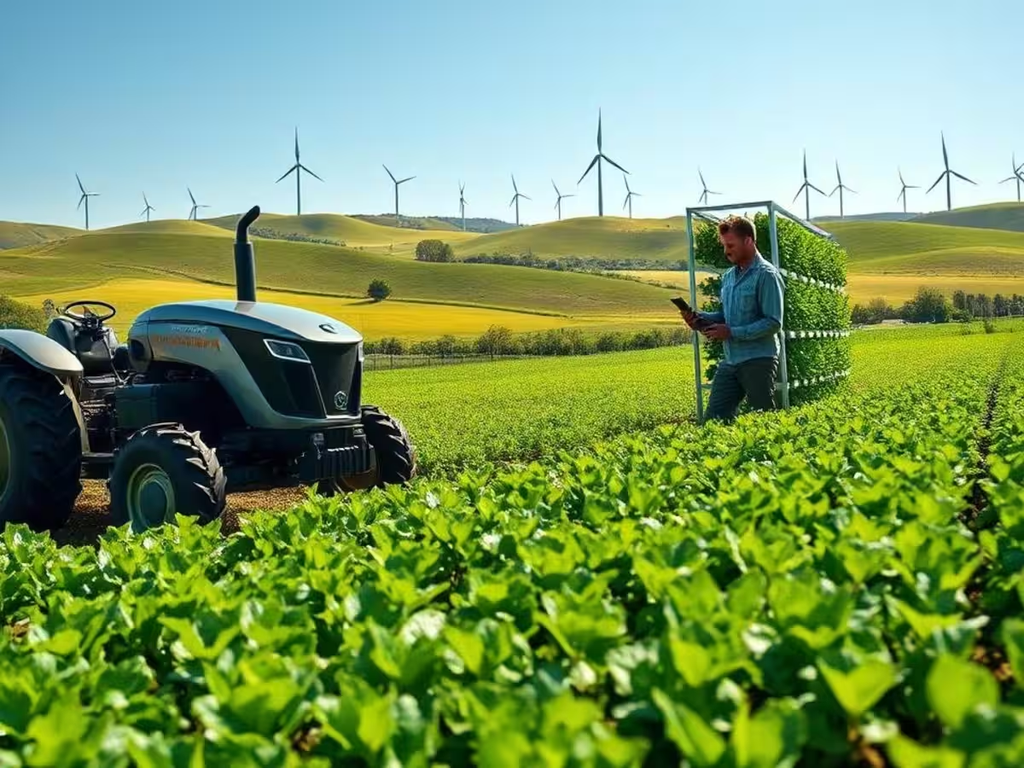
Pera Finance will ensure the growth and sustaining of DeFi as they continue to develop their transaction-based rewards and community governance models. Having innovatively built on yield farming by creating a scalable model, Pera Finance offers a sustainable model of liquidity growth and diminishing inflation as they align incentives and trading activities.
Their governance model provides participants the tools to change reward structures which prolongs the lifespan of the model in the presence of ever-changing market and regulatory conditions.
As DeFi grows internationally, swap-farming will augment yield farming in participation and fairness, offering farmers of all experiences the opportunity to earn. Innovation will only extend the lifespan of the model and cement Pera Finance’s position in DeFi trade and yield.
Pros & Cons
| Category | Pros | Cons |
|---|---|---|
| Rewards | Transaction‑based incentives benefit traders, liquidity providers, and token holders | Rewards may dilute as more participants join |
| Sustainability | Reduced inflation risks through controlled emissions | Dependent on consistent trading activity |
| Liquidity | Boosts liquidity by incentivizing higher volumes | Low participation can weaken liquidity pools |
| Governance | Community voting ensures transparency and adaptability | Governance decisions may slow protocol updates |
| Accessibility | Easier for newcomers, no complex staking required | Requires user education on swap‑farming mechanics |
| Innovation | Pioneers a new DeFi model beyond yield farming | Still in early adoption phase, not widely proven |
| Risk management | Aligns rewards with real market activity | Vulnerable to market volatility and smart contract risks |
Conclusion
Pera Finance, built upon swap farming, has disrupted traditional finance and innovated in ways that tackle issues present in DeFi. More specifically, traditional yield farming methods incentivize participants to amplify inflation through liquidity mining. Pera, however, introduces transactional rewards to balance mining and serving participants, as well as engage community governance to provide safe-guards against inflation risks.
The swap farming model inaugurates a new model that incentivizes the trading and provision of liquidity to the market, while simultaneously safeguarding holders against volatility.
While there are issues with user adoption and regulatory concerns, the swap farming model is designed for sustainable growth to support trading opportunities. As DeFi innovates and matures, Pera Finance has the opportunity to become a leader in decentralized yield optimizing and trading technology.
FAQ
What is Pera Finance?
Pera Finance is a DeFi protocol that introduces swap‑farming, rewarding traders, liquidity providers, and token holders through transaction‑based incentives.
What is swap‑farming?
Swap‑farming is a model where rewards are tied to trading activity rather than just staking, making yield generation more dynamic and sustainable.
How does swap‑farming work on Pera Finance?
Each trade triggers rewards that are distributed across participants, boosting liquidity and aligning incentives with real market activity.
Why is swap‑farming becoming popular?
It reduces inflation risks, encourages higher trading volumes, and creates a fairer ecosystem compared to traditional yield farming.
Is swap‑farming sustainable?
Yes, because rewards scale naturally with trading volume, ensuring long‑term growth while minimizing inflationary pressures.