


In this article, I will evaluate the Best On-Chain Forensic Tools to Track Centralized Exchange Solvency.
It will be a discussion on how the tools assist in the verification of reserve funds, evaluate the levels of liquidity in respective wallets, and analyze the level of transparency in financial dealings.
As the proof of reserve becomes a fundamental requirement in the cryptocurrency space, sophisticated analytics tools provide comprehensive data on a particular exchange’s liquidity,
The movement and withdrawal of funds, and the overall stability of the exchange. Thus, users will be equipped to better protect their investments.
Key Poinst & Best On-Chain Forensic Tools to Track Centralized Exchange Solvency
| Tool | Explanation |
|---|---|
| Arkham Intelligence | Tracks exchange wallets, reserves, transactions, and ownership relationships accurately. |
| Nansen | Monitors exchange balances, smart money flows, and reserve movements. |
| Glassnode | Provides exchange reserve metrics, liquidity insights, and solvency indicators. |
| CryptoQuant | Analyzes exchange inflows, outflows, reserves, and risk signals daily. |
| DefiLlama | Aggregates on-chain assets, reserves, and transparency data comprehensively. |
| Chainalysis | Maps exchange transactions, wallet clusters, and fund movements effectively. |
| Breadcrumbs | Visualizes blockchain transactions, helping verify exchange reserve transparency. |
| TokenAnalyst | Tracks exchange wallet activities and blockchain fund transfers efficiently. |
| TRM Labs | Monitors blockchain assets, exchange exposure, and financial risks. |
| Dune Analytics | Creates custom dashboards tracking reserves, balances, and solvency. |
10 Best On-Chain Forensic Tools to Track Centralized Exchange Solvency
1. Arkham Intelligence
Arkham Intelligence has developed potent on-chain forensics to identify the solvency of centralized exchanges.
Its proprietary wallet-labeling technology designates exchange-controlled addresses, identifies reserve balances and movements across multiple blockchains, and determines address liquidity.
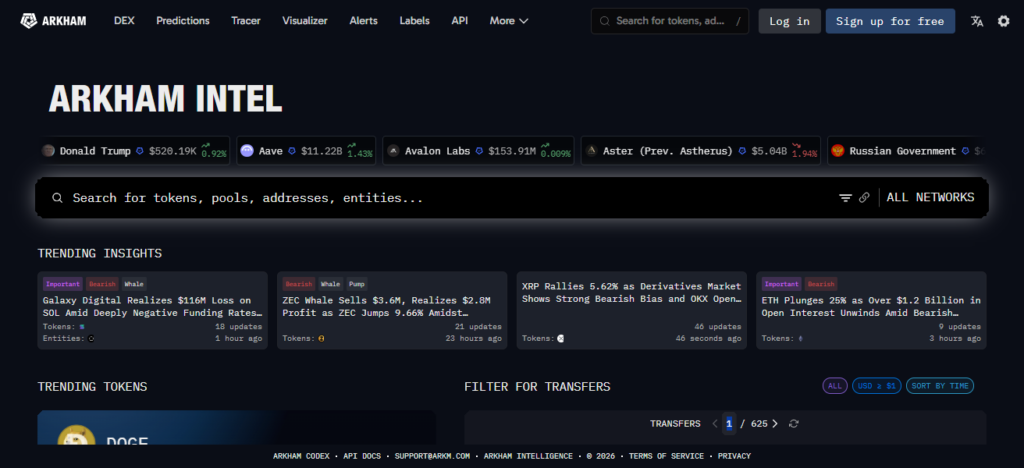
Arkham’s forensic capabilities provide entity-based analytics that connect wallet clusters to on-chain business operations.
With the increasing demand for proof-of-reserves, Arkham allows investors to confirm exchange balances and identify problematic transfers that may represent solvency or operational concerns.
Arkham Intelligence Pros & Cons
| Pros | Cons |
|---|---|
| Advanced wallet-labeling technology for exchange reserve tracking. | Some analytics features require premium subscriptions. |
| Connects blockchain addresses to real-world entities. | Entity labels may occasionally need verification. |
| Supports multiple blockchain networks and assets. | Learning curve for new blockchain analysts. |
| Excellent proof-of-reserves monitoring capabilities. | Limited historical data compared to some competitors. |
2. Nansen
Nansen’s analytics platform tracks the solvency of exchanges with wallet-classification technology and multi-chain analytics.
Nansen actively monitors exchange balances, tracks reserve changes, and analyzes bulk transfers.

Nansen’s Smart Money feature analyzes transfers to and from significant economic actors and provides insight into the liquidity of multiple exchanges.
Nansen’s cross-chain capabilities and increasing crawl and query capabilities provide operational transparency and the solvency of exchange reserves.
Nansen Pros & Cons
| Pros | Cons |
| Powerful Smart Money tracking feature. | Premium plans can be expensive for individuals. |
| Real-time monitoring of exchange wallet activity. | Advanced tools may overwhelm beginners. |
| Extensive multi-chain blockchain coverage. | Some datasets available only on higher tiers. |
| Strong institutional-grade analytics dashboard. | Requires experience to maximize value. |
3. Glassnode
Glassnode’s analytics platform provides on-chain liquidity and reserve monitoring of exchanges and market health.
Its advanced monitoring solutions track the holdings of centralized exchanges for Bitcoin, Ethereum, and other cryptocurrencies.
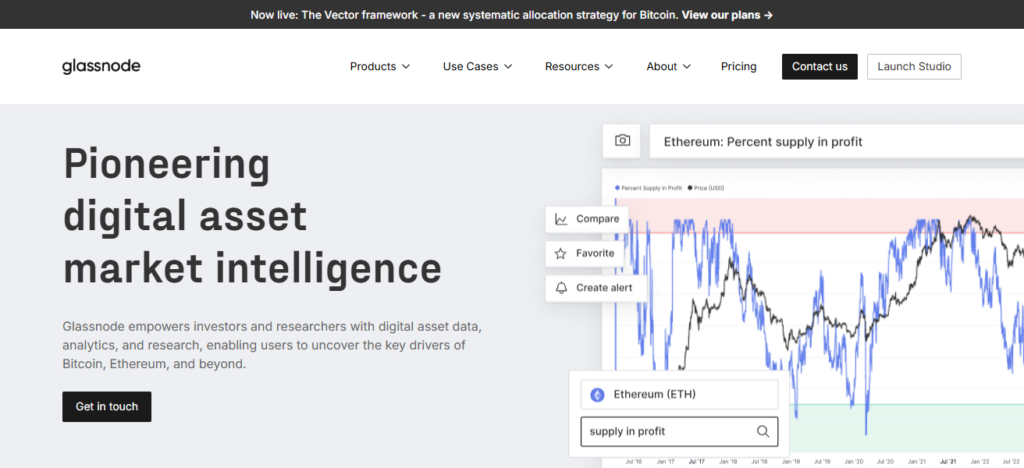
Advanced metrics assist in determining the solvency of exchanges. As the market for digital assets matures
Glassnode enhances its offerings, allowing traders and institutions to identify the operational and liquidity risks of the asset exchange.
Glassnode Pros & Cons
| Pros | Cons |
| Industry-leading on-chain market intelligence. | Many advanced metrics locked behind paid plans. |
| Comprehensive exchange reserve monitoring. | Focuses heavily on major cryptocurrencies. |
| High-quality institutional research tools. | Less suitable for casual crypto users. |
| Reliable long-term historical blockchain data. | Premium subscriptions can be costly. |
4. CryptoQuant
For the analysis of inflow and outflow behavior across exchanges, CryptoQuant continues to be a preeminent analysis tool.
Its real-time alerts of significant behavior assist users in identifying potential risks to the solvency of an exchange and to the stability of a market.

The transactional behavior of reserves in an exchange gives an investor the ability to preemptively observe unusual conduct prior to a market-wide impact.
The increasing number of analytical tools and the depth of liquidity analysis provided by CryptoQuant make it vital in the assessment of the financial health of exchanges and the continuous evolution of the cryptocurrency market.
CryptoQuant Pros & Cons
| Pros | Cons |
| Excellent exchange inflow and outflow tracking. | Certain advanced indicators require paid access. |
| Real-time alerts for significant market events. | Interface may seem complex initially. |
| Strong reserve and liquidity monitoring tools. | Limited customization in some dashboards. |
| Popular among traders and market analysts. | Some metrics require interpretation expertise. |
5. DefiLlama
DefiLlama has expanded beyond the analysis of decentralized finance to serve as a key data transparency assessment tool within the blockchain arena.
The platform combines reserve data, total value, and cross-chain data to assess the financial position of an entity.
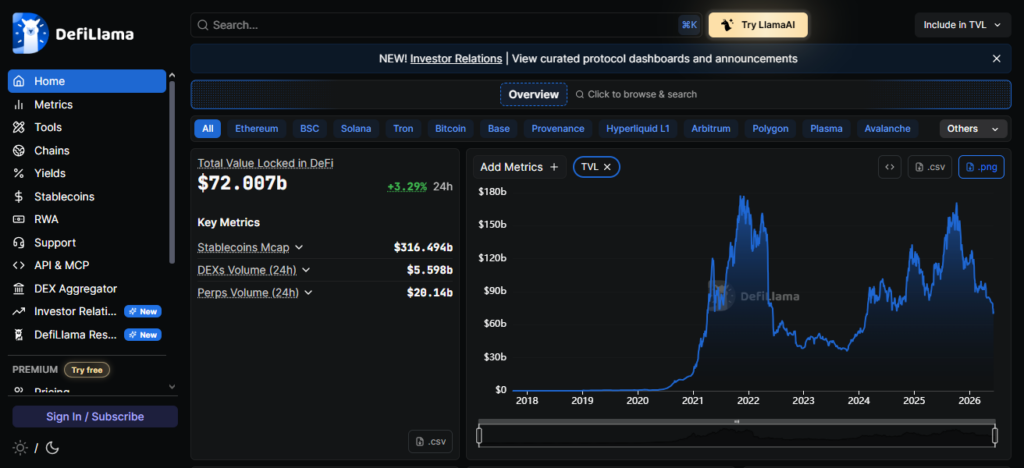
Adopting an open-data model not only provides a means to independently authenticate the data but also decreases the reliance on disclosures made by exchanges.
In an environment of increasing transparency within the crypto industry, DefiLlama provides the means to assess reserve positions, track the allocation of assets, and review solvency-related metrics.
DefiLlama Pros & Cons
| Pros | Cons |
| Free access to extensive blockchain data. | Less specialized for centralized exchange analysis. |
| Strong transparency and open-data approach. | Advanced forensic features are limited. |
| Covers numerous chains and protocols. | Data presentation can be overwhelming. |
| Community-trusted analytics platform. | Fewer investigative tools than forensic platforms. |
6. Chainalysis
Blockchain intelligence and analysis of transactional behavior have made Chainalysis a trusted tool for governments, finance, and crypto businesses.
The model excels at tracing paths and clustering wallets. When analyzing the solvency of an exchange, Chainalysis assists in revealing the liquidity and reserve paths that are not easily found in public disclosures.
Its advanced analysis provides the clarity of operational solvency and reserve management balance that helps all the stakeholders understand the financial clarity of exchanges.
Chainalysis Pros & Cons
| Pros | Cons |
| Trusted by governments and financial institutions. | Enterprise-focused pricing structure. |
| Advanced transaction tracing capabilities. | Not designed primarily for retail investors. |
| Powerful wallet clustering technology. | Access may require business-level agreements. |
| Deep blockchain investigative insights. | Complex platform for beginners. |
7. Breadcrumbs
Breadcrumbs builds intuitive tools for visualizing blockchain data. Traditional transaction networks become easy to understand with innovative tools offered by Breadcrumbs.
Constructs built by the users allow for tracking the movement of assets along their pathways between wallets, exchanges, and other entities.
This method of visualization is beneficial when confirming the transparency of reserves and finding fund transfers that are associated with centralized exchanges.
While data on the blockchain is becoming more intricate, Breadcrumbs provides an easy solution for forensics without sacrificing depth in analysis.
Investors and researchers can better determine the solvency of an exchange by analyzing the transaction history and the activity of the wallets the reserves were connected to.
Breadcrumbs Pros & Cons
| Pros | Cons |
| User-friendly transaction visualization tools. | Fewer advanced analytics than larger competitors. |
| Simplifies complex blockchain investigations. | Limited institutional research features. |
| Helpful for reserve transparency verification. | Smaller ecosystem coverage in certain areas. |
| Interactive graphical transaction mapping. | Some professional features require upgrades. |
8. TokenAnalyst
TokenAnalyst offers tools that provide additional context to the user when evaluating the solvency of an exchange.
Monitoring large transfers and their impact on the market can be challenging. TokenAnalyst offers tools that examine the movement of reserves and the addresses managed by an exchange to provide investors with a better understanding of the policies.
When the market is experiencing turbulence, people are looking to investment exchanges that have high levels of transparency. TokenAnalyst offers tools to describe the level of transparency an exchange poses in a marketplace.
TokenAnalyst Pros & Cons
| Pros | Cons |
| Detailed exchange wallet activity analysis. | Lower public visibility than major competitors. |
| Tracks large transfers effectively. | Limited educational resources available. |
| Useful for liquidity trend identification. | Coverage may vary across blockchains. |
| Supports data-driven solvency research. | Some advanced data access restrictions. |
9. TRM Labs
TRM Labs combines blockchain intelligence, risk monitoring, and forensic analysis into a comprehensive investigative platform.
While widely known for compliance and security applications, it also provides valuable insights into exchange exposure and reserve-related risks.
The platform tracks asset movements across numerous blockchain networks, helping users identify liquidity trends and potential vulnerabilities.
As regulatory expectations continue evolving globally, TRM Labs delivers advanced monitoring capabilities that support greater transparency and assist stakeholders in evaluating exchange solvency with confidence.
TRM Labs Pros & Cons
| Pros | Cons |
| Strong risk assessment and compliance tools. | Primarily targeted toward enterprises. |
| Extensive blockchain monitoring capabilities. | Pricing may exceed retail budgets. |
| Tracks exposure and reserve-related risks. | Requires training for advanced use. |
| Excellent investigative and forensic features. | Less community-driven than open platforms. |
10. Dune Analytics
Dune Analytics users can personalize dashboards with open-source blockchain data. Its dynamic query capabilities enable researchers to calculate reserves on exchanges, wallet balances, the volume and value of transactions, and liquidity and solvency metrics.

Unlike other closed analytics and research platforms, Dune allows and facilitates research by the community and promotes transparency.
Analysts can customize dashboards to monitor the solvency of specific exchanges or blockchain ecosystems.
As a result of this accessibility, Dune Analytics is an attractive option for investors in need of self-evaluating reserve data and long-term solvency metrics.
Dune Analytics Pros & Cons
| Pros | Cons |
| Highly customizable blockchain dashboards. | Requires SQL knowledge for advanced queries. |
| Community-driven transparency and research. | Dashboard quality depends on creator’s expertise. |
| Access to large amounts of public data. | Can be time-consuming to build analyses. |
| Excellent for independent solvency verification. | Raw data may require additional validation |
Alternatives Best On-Chain Forensic Tools to Track Centralized Exchange Solvency
1. Breadcrumbs
Breadcrumbs is a strong alternative for tracking centralized exchange solvency through visual blockchain investigation tools.
The platform transforms complex transaction histories into easy-to-understand network graphs, allowing users to trace fund movements between wallets and exchanges.
Its intuitive interface helps investors identify reserve-related transfers, suspicious transactions, and wallet connections quickly.
Breadcrumbs is particularly useful for researchers seeking transparent, visual evidence of exchange asset management and reserve activity across blockchain ecosystems.
2. TokenAnalyst
TokenAnalyst serves as a valuable alternative for monitoring exchange wallet behavior and liquidity movements.
The platform specializes in analyzing large blockchain transactions and identifying patterns that may impact exchange solvency.
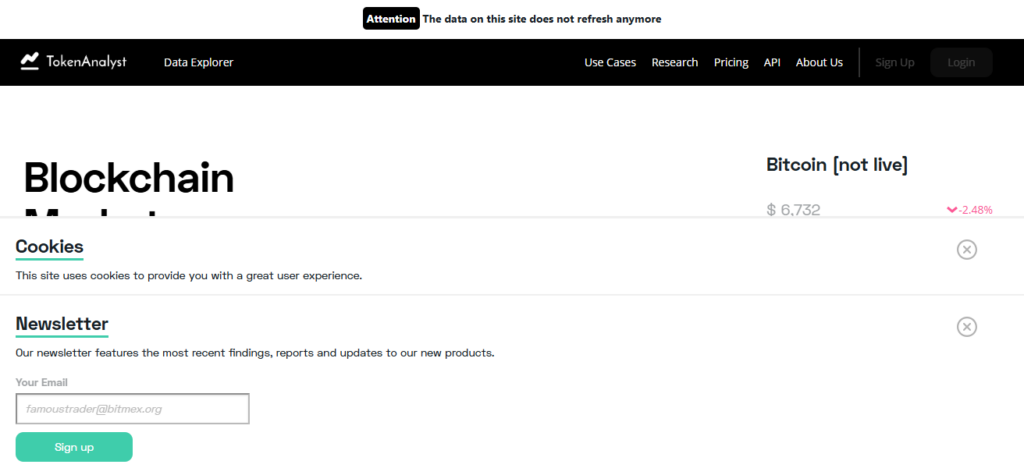
Investors can use its detailed data to monitor reserve changes, detect unusual transfers, and evaluate operational transparency.
By providing deeper visibility into fund flows and wallet activities, TokenAnalyst helps users make more informed decisions regarding exchange reliability and financial stability.
3. TRM Labs
TRM Labs offers advanced blockchain intelligence tools that extend beyond compliance and risk monitoring.
Its forensic capabilities help users analyze exchange-related transactions, reserve exposure, and potential liquidity risks across multiple blockchain networks.
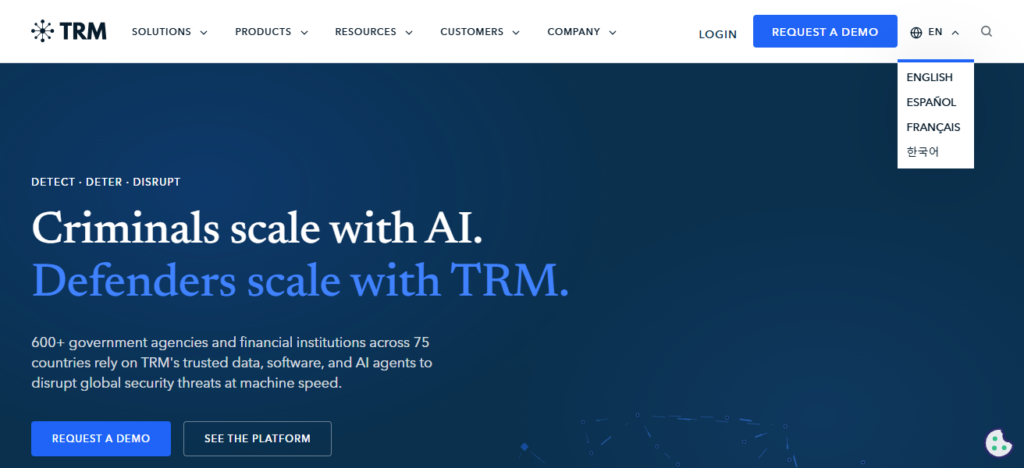
The platform’s sophisticated monitoring systems provide valuable insights into asset movements and operational transparency.
For investors and institutions seeking comprehensive solvency assessments, TRM Labs delivers powerful investigative features that support informed decision-making and enhanced understanding of exchange financial health.
4. Dune Analytics
Dune Analytics is a popular alternative that enables users to build customized dashboards using publicly available blockchain data.
Researchers can create tailored queries to monitor exchange reserves, wallet balances, liquidity levels, and transaction trends in real time.

Its community-driven ecosystem encourages transparency and collaborative research. Because users can independently verify blockchain information without relying on centralized reports,
Dune Analytics remains a valuable solution for tracking exchange solvency and reserve management effectively.
Conclsuion
In summary, monitoring the solvency of centralized exchanges is critical in today’s crypto market.
The top on-chain forensic tools, such as Arkham Intelligence, Nansen, Glassnode, CryptoQuant, DefiLlama, Chainalysis, Breadcrumbs, TokenAnalyst, TRM Labs, and Dune Analytics, maintain the best transparency of reserves, liquidity, and wallets.
With these tools, users can assess the financial health of an exchange and the risks associated with the exchange, and make decisions based on validated data from the blockchain and not the data provided by the exchange.
FAQ
What are on-chain forensic tools?
They are analytics platforms that track blockchain transactions, wallets, and reserves.
Which tool is best for wallet identification?
Arkham Intelligence is widely known for advanced wallet-labeling capabilities.
Which platform offers Smart Money tracking?
Nansen provides Smart Money analytics and investor behavior monitoring.
Is Glassnode useful for reserve analysis?
Yes, Glassnode offers detailed reserve, liquidity, and market health metrics.
Which tool provides real-time exchange flow alerts?
CryptoQuant delivers alerts for significant inflows, outflows, and reserve changes.
