

This article is about the best strategies for how gold and precious metals can hedge against inflation.
With regards to how gold and precious metals can help investors preserve their wealth against inflation and economic insecurities, I discuss some examples such as physical gold, gold and precious metals ETFs, silver, and some crypto.
This article will provide you with some strategies that will help you protect your purchasing power, mitigate risks, and secure your wealth against the economic insecurities caused by the ongoing global economic crisis.
10 Top Gold and Precious Metals Strategies For Inflation Hedging
1. Physical Gold Ownership Strategy
For many years, physical gold has stood as a classic hedge against inflation, especially in turbulent markets.
Many investors will purchase gold in the form of gold coins, bars, or even jewelry. All these forms of gold stand as a means of “value” which stands completely independent of the banking systems.

As of 2026, secure vault storage with insured custody has made physical gold even safer and more accessible than in the past.
Actually, contrary to digital assets, physical gold and other precious metals retain their value during times of currency depreciation, making it a foundational wealth preservation strategy and an effective means to provide shelter from an economic storm.
| Feature | Explanation |
|---|---|
| Tangible asset security | Physical gold provides real, touchable wealth independent of digital systems. |
| Inflation protection | Maintains value during currency depreciation and economic instability. |
| Long-term storage | Suitable for holding wealth over decades without major value loss. |
| Global acceptance | Easily tradable and recognized across all countries and markets. |
2. Gold ETFs Investment Strategy
With Gold ETFs, you can get the benefits of gold price movements without the need for physical gold storage. Gold ETFs can be traded like stocks on a stock exchange.
With new ETF structures, tracking spot gold prices has improved, and expense ratios have decreased.

This makes it attractive for investors wanting inflation protection and portfolio diversification, allowing for easy entry and exit with minimal logistics that would be a burden for physical gold investments.
| Feature | Explanation |
|---|---|
| Easy trading | Can be bought and sold instantly on stock exchanges. |
| No storage issues | Eliminates need for physical gold storage or security concerns. |
| Low-cost exposure | Quickly convertible into cash during market opportunities. |
| Low cost exposure | Lower fees compared to physical gold buying and storage. |
3. Gold Mining Stocks Strategy
Gold mining companies offer good investments with a built-in hedge against gold price movements.
As gold prices rise, gold mining industry profits tend to rise faster and, therefore, potentially offer larger returns.
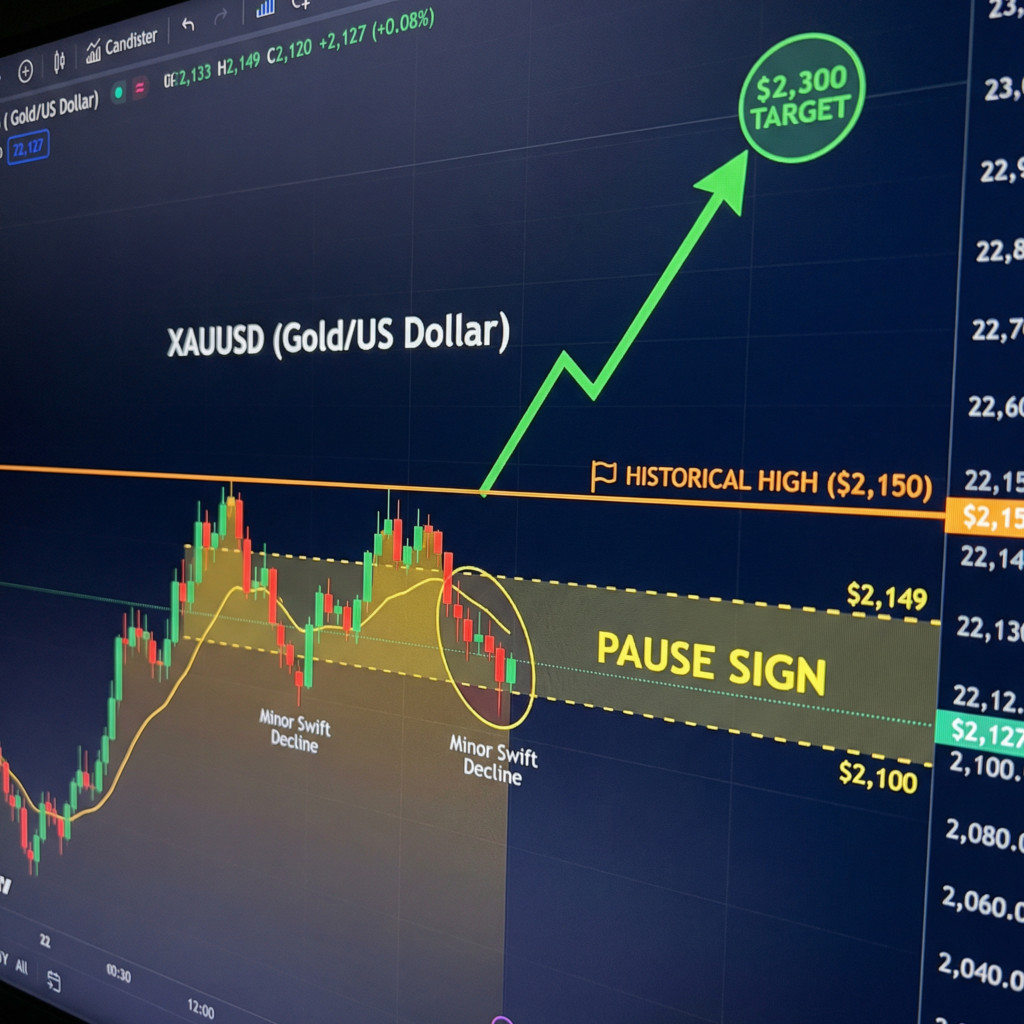
ESG-compliant gold mining firms have become more popular in recent years due to their sustainable operations with a focus on improved efficiency.
This investment strategy combines inflation protection, growth, and profits with a stock market investment.
| Feature | Explanation |
|---|---|
| High return potential | Profits increase faster when gold prices rise. |
| Equity market access | Invest through regular stock trading platforms. |
| Dividend opportunities | Some mining companies offer shareholder dividends. |
| Industry growth link | Benefits from mining expansion and technological upgrades. |
4. Central Bank Gold Tracking Strategy
Countries are increasing their gold reserves. This is to stabilize their currencies and mitigate their reliance on the US dollar.
Following suit, investors can track central banks and adjust their portfolios to reflect the central banks’ increase in gold holdings. With current geopolitical tensions, more of the emerging economies are purchasing gold.

This investment strategy is based on macro trends that investors can use to pattern their investments to reflect central banks’ gold purchases.
This provides insight into protecting against long-term inflation and the changing global economy.
| Feature | Explanation |
|---|---|
| Macro insight | Helps understand global economic and monetary trends. |
| Policy alignment | Follows how central banks manage inflation risk. |
| Predictive advantage | Signals future gold demand and price movement. |
| Global stability tracking | Monitors geopolitical and financial uncertainty impacts. |
5. Silver Investment Diversification Strategy
Because silver has both the function of a precious metal and an industrial commodity, investors can use it as an option to hedge against inflation.
Silver’s uses in renewable energy, solar panel production, and electronics mean that both economic growth and inflation will affect its value.

Investors utilize the diversification into silver coins, ETFs, or mining stocks as part of a general risk management strategy.
Silver’s values are more volatile than gold but are likely to provide a bigger return during the commodity bull market.
| Feature | Explanation |
|---|---|
| Industrial demand | Used in electronics, solar energy, and manufacturing. |
| Dual asset nature | Works as both an investment and an industrial commodity. |
| Higher volatility | Offers strong upside during commodity bull markets. |
| Portfolio diversification | Works as both investment and an industrial commodity. |
6. Platinum and Palladium Strategy
Platinum and palladium are examples of rare metals with widespread industrial and especially automotive use in catalytic converters.
Demand has a volatility that relates to supply, and the tightening of emissions regulation has also played a role.

Platinum and palladium can be used as hedges against inflation when gold is also overpriced. The most recent strategies for portfolio construction now support the use of a basket of all precious metals, and thus diversification will not depend on a single commodity cycle.
| Feature | Explanation |
|---|---|
| Rare supply base | Limited global availability increases long-term value. |
| Automotive demand | Used in catalytic converters and emissions systems. |
| Price fluctuation gains | Offers opportunities during supply-demand shifts. |
| Inflation hedge alternative | Acts as backup to gold and silver investments. |
7. Gold Futures and Derivatives Strategy
Gold futures are used when investors want to speculate on price movements of gold while using a contract at a later date that is bought with a form of fiat currency as collateral.
This has been the strategy used by institutional investors to hedge against inflation and the volatility in markets.
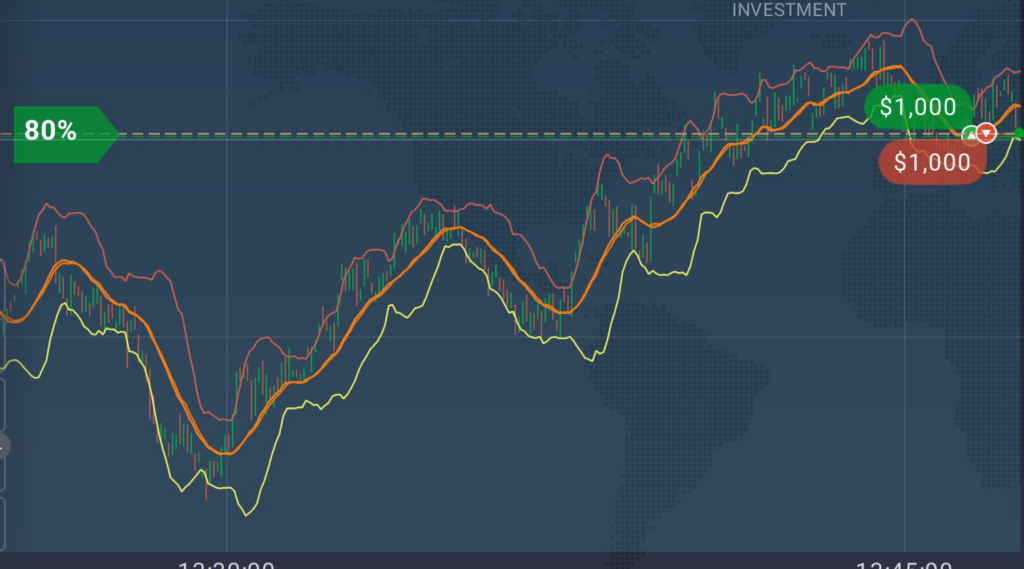
Many high-end trading platforms offer strategies for algorithmic trading of futures that are paired with AI technology for predictive modeling.
Gold derivatives are an excellent option for investors to hedge against inflation by taking on an investment that is very high-risk but will ensure a portfolio meeting the requirements for short-term inflation protection and insurance.
| Feature | Explanation |
|---|---|
| Leverage trading | Allows control of large positions with small capital. |
| Short-term hedging | Protects against rapid inflation-driven price changes. |
| Institutional usage | Widely used by hedge funds and traders. |
| High flexibility | Enables both buying and selling strategies easily. |
8. Digital Gold Investment Strategy
Through digital gold platforms, investors buy fractional gold that is backed by physical holdings in Vaults. As a result of its mobile nature and cash liquidity, this modern investment has become popular.

By 2026, advanced verification systems for gold on the blockchain will have greatly improved the systems of trust and transparency.
Digital gold is suited for small investors who want a hedge from inflation, as it eliminates the high barriers to entry and storage worries.
| Feature | Explanation |
|---|---|
| Fractional ownership | Allows buying small amounts of gold easily. |
| Instant liquidity | Can be converted to cash quickly via apps. |
| Secure vault backing | Gold stored safely in insured storage facilities. |
| Mobile accessibility | Gold is stored safely in insured storage facilities. |
9. Gold-Backed Cryptocurrency Strategy
Gold-backed Cryptocurrencies merge the worlds of blockchain and gold by offering a token that is backed by a specific amount of gold that is stored in vaults. This model offers the protection of inflation and the liquidity of crypto.

Developing decentralized finance (DeFi) has made further advancements in token transparency and has allowed for cross-border exchanges of these tokens.
A union of traditional safe-haven investments with the modern digital economy is the purpose of this strategy.
| Feature | Explanation |
|---|---|
| Blockchain transparency | Each token is linked to real stored gold. |
| Physical backing | Transactions are recorded securely on a decentralized ledger. |
| Cross-border usage | Easily transferable across global markets. |
| Crypto liquidity | Transactions are recorded securely on decentralized ledger. |
10. Precious Metals Portfolio Allocation Strategy
A diversified portfolio of precious metals includes gold, silver, platinum, and palladium. This hedges against the risk that inflation will disrupt the economy.
Current asset allocation models say our exposure should change according to macro-indicators like interest rates, inflation, and currency strength.
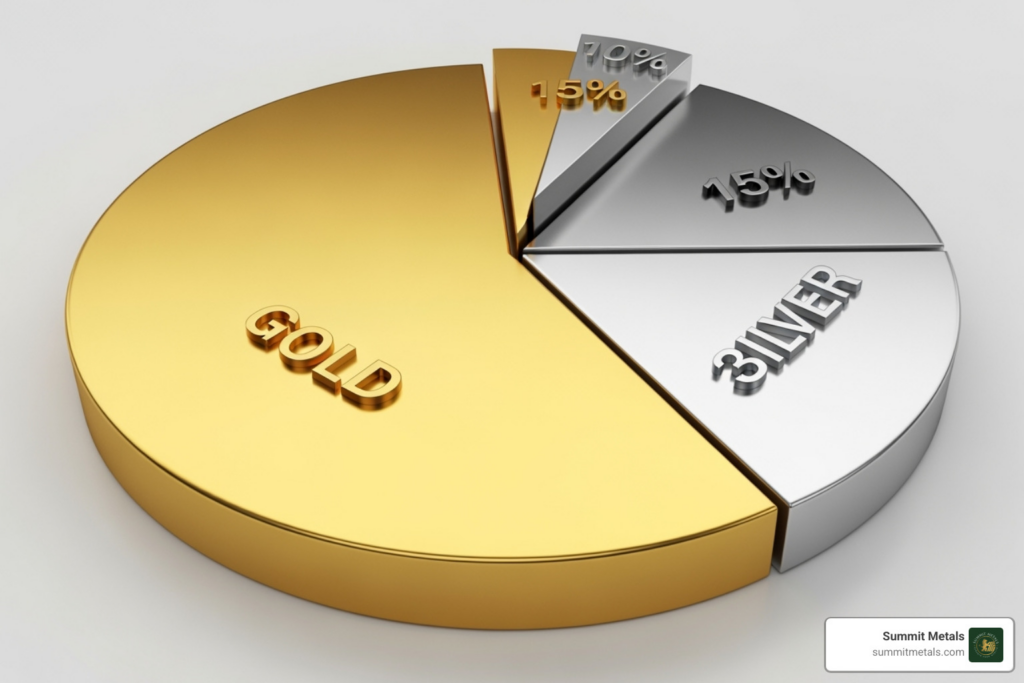
Portfolio management powered by AI now offers the flexibility to optimize how precious metals are allocated.
This strategy maintains stability over the long term and maximizes the hedging effect against inflation surges while reducing reliance on a single asset class.
| Feature | Explanation |
|---|---|
| Diversified exposure | Includes gold, silver, platinum, and palladium. |
| Risk reduction | Spreads investment risk across multiple assets. |
| AI optimization | Uses modern tools to adjust allocations dynamically. |
| Inflation resilience | Strengthens protection against economic instability. |
Conclusion
In environments with high inflation, gold and precious metals are still important options for safeguarding wealth. Investors can create strong portfolios through the intersection of traditional and modern strategies.
The traditional way would be holding physical gold. The modern would be digital gold and tokenized assets. The ten strategies outlined give a more detailed plan to understand how to navigate the fluctuations of the global economy, maintain purchasing power, and secure wealth and peace of mind in the long run.
FAQ
What is the safest way to invest in gold for beginners?
Physical gold or gold ETFs are considered safest, as they offer stability, transparency, and easy entry without requiring advanced trading knowledge or high-risk exposure.
How do gold ETFs help in inflation protection?
Gold ETFs track gold prices directly, allowing investors to gain exposure without storage issues, while still benefiting from price increases during inflationary periods.
Are gold mining stocks better than physical gold?
Gold mining stocks can offer higher returns but come with business risks, whereas physical gold is more stable and purely a value-preserving asset.
What role does silver play in inflation hedging?
Silver acts as both an industrial and precious metal, offering inflation protection along with growth potential due to rising demand in technology and renewable energy sectors.
