


Things to know before investing in cryptocurrency — I will mention some points here. The increasing popularity of digital assets also makes it necessary to understand the basics such as volatility, security and risk management.
Regardless of your experience level, information will allow you to make better decisions and avoid mistakes, providing you with a base for creating a safer but more effective crypto investment strategy over the long term.
Key Poinst & 10 Things You Must Know Before Investing In Cryptocurrency
High Volatility and Risk Cryptocurrency prices fluctuate rapidly, causing large gains and losses within short periods.
Security and Private Keys Private keys control your funds; losing them means loss without recovery options.
Wallets (Hot vs. Cold) Hot wallets online for convenience; cold wallets stay offline for stronger security.
Research the Fundamentals Study project team, technology, use case, tokenomics, and roadmap before investing money.
Only Invest What You Can Afford to Lose Invest only disposable income, never essential savings, because markets can turn unpredictably.
Be Aware of Scams Scammers use phishing, projects, and promises of guaranteed returns to steal funds.
Regulation and Taxes Crypto laws taxes vary by country; understand reporting requirements and compliance obligations.
Diversification Matters Spread investments assets to reduce risk rather than relying on one coin.
Dollar-Cost Averaging (DCA) Invest fixed amounts regardless of price, smoothing volatility and lowering average cost.
Choose a Reliable Exchange Use reputable exchanges with security, liquidity, and transparent fees to minimize risks.
10 Things You Must Know Before Investing In Cryptocurrency
1. High Volatility and Risk
Cryptocurrency markets are extremely volatile, with prices soaring or plummeting in weeks or even hours. This volatility creates investment opportunities for capital gain but also exposes investors to the risk of considerable loss.
Unlike any knowledge property, crypto is impacted by market sentiment, news stories and rumors as well as regulations. Investing takes time, however the lesson will likely intimidate many novice investors.
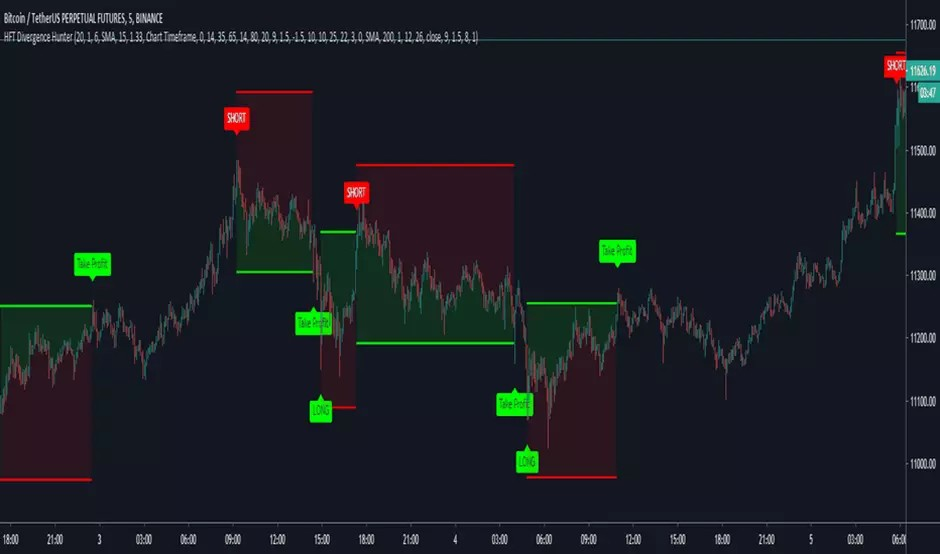
By investing, you can fail to follow this risk because sudden price rises and declines makes one think emotionally, which would lead to things like selling at any time without thinking and recovering as soon as possible, causing a loss or making unnecessary profits.
| Feature | Explanation |
|---|---|
| Rapid Price Changes | Crypto prices can change drastically within minutes due to market activity. |
| High Profit Potential | Volatility allows investors to earn significant returns in short timeframes. |
| Significant Loss Risk | Sudden downturns can quickly reduce investment value without warning. |
| Market Sentiment Impact | News, hype, and fear heavily influence price movements and trends. |
| Emotional Decision Pressure | Fast fluctuations often lead to panic buying or selling decisions. |
2. Security and Private Keys
When investing in cryptocurrencies, security is one of the most crucial aspects. Private keys are like passwords that allow you to access your funds and anyone with the key can control your assets.
Generally, if you lose your private keys, there is no way to recover your coins. Which is why they should be stored safely and must never in anyway whatever way to let anyone have them.
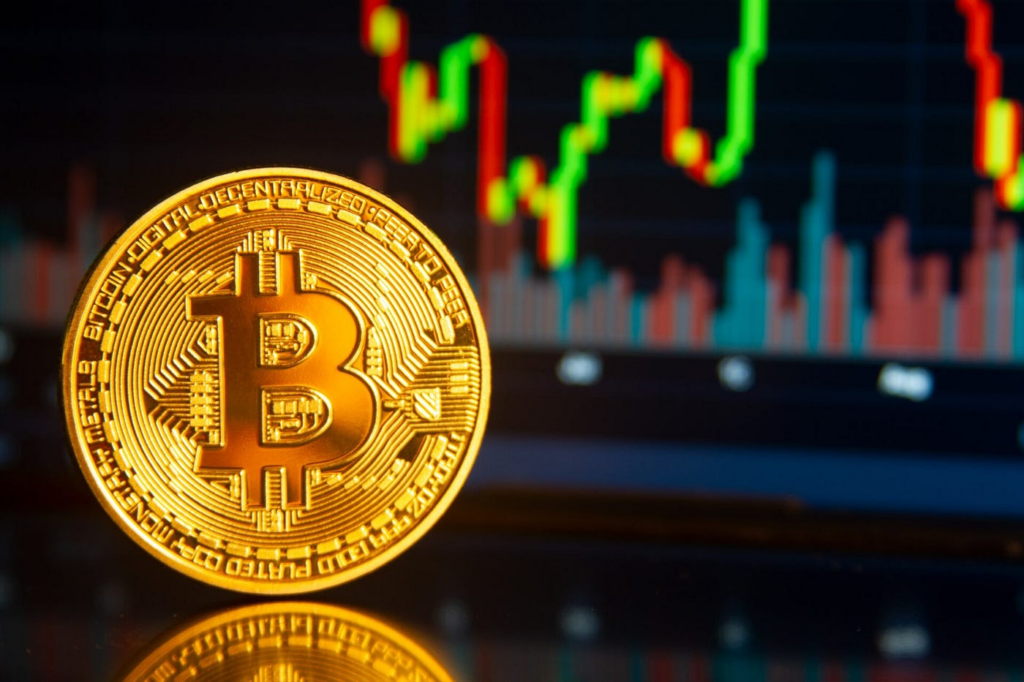
In addition, applying safe measures such as hardware wallets and additional layers of protection in the form of two-factor authentication better protects your investments.
| Feature | Explanation |
|---|---|
| Ownership Control | Private keys give full access and control over cryptocurrency funds. |
| Irrecoverable Loss Risk | Losing private keys means permanent loss of access to assets. |
| No Third-Party Recovery | Crypto systems lack centralized support to recover lost credentials. |
| Secure Storage Importance | Safe storage methods prevent unauthorized access and theft risks. |
| Extra Protection Measures | Two-factor authentication adds an additional layer of account security. |
3. Wallets (Hot vs. Cold)
Crypto wallets are where you keep your assets (and there are two major types, hot & cold wallet). A hot wallet is one that is connected to the internet, so it is more suitable for everyday transactions but increasing risk of being hacked.
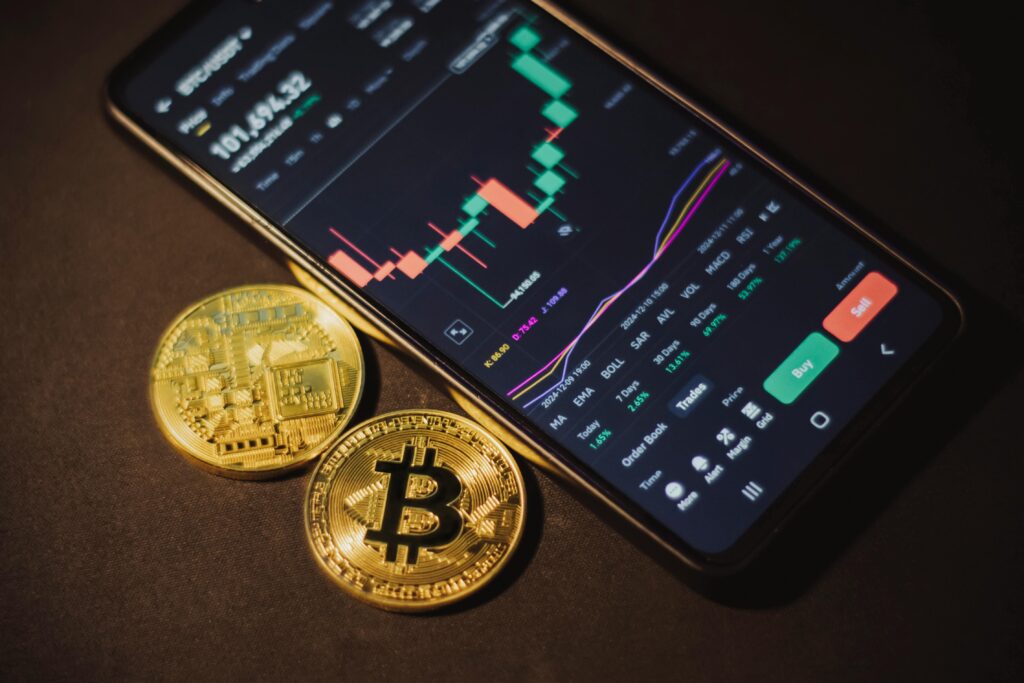
However, cold wallets are offline storage solutions that provide better security for long-term holds. Which wallet you choose depends on your purposes, but many investors use both in tandem as a convenient and secure option.
| Feature | Explanation |
|---|---|
| Hot Wallet Accessibility | Online wallets allow quick and easy transaction execution anytime. |
| Cold Wallet Security | Offline wallets provide stronger protection from hacking attempts. |
| Convenience vs Safety | Hot wallets prioritize ease, while cold wallets prioritize security. |
| Usage Flexibility | Investors often use both wallet types for balanced management. |
| Long-Term Storage | Cold wallets are ideal for holding assets over extended periods. |
4. Research the Fundamentals
Doing your homework on the fundamentals of a cryptocurrency is key before investing. These involve knowing what is the project for, what problem it solves, the underlying or development tech utilization, and who are behind this project.

By also investigating tokenomics, adoption potential and the long-term roadmap you can make educated decisions. Do not invest just because of FOMO or social media bush! Good research makes you less likely to be in a bad investment and gives you confidence.
| Feature | Explanation |
|---|---|
| Project Purpose Analysis | Understand what problem the cryptocurrency aims to solve effectively. |
| Team Credibility Check | Strong, experienced teams increase project trust and reliability. |
| Technology Evaluation | Assess blockchain technology, scalability, and innovation behind the project. |
| Tokenomics Understanding | Study supply, demand, and distribution of tokens in the ecosystem. |
| Long-Term Vision Review | Roadmaps indicate future growth plans and sustainability potential. |
5. Only Invest What You Can Afford to Lose
Investing in cryptocurrency is never without its risks and certainly not the type for those low on risk appetite. General Rule of Thumb to Consider — Only Invest What You Can Afford to Lose Do not use fundamental money—lease, savings, and emergency cash—for crypto funding.
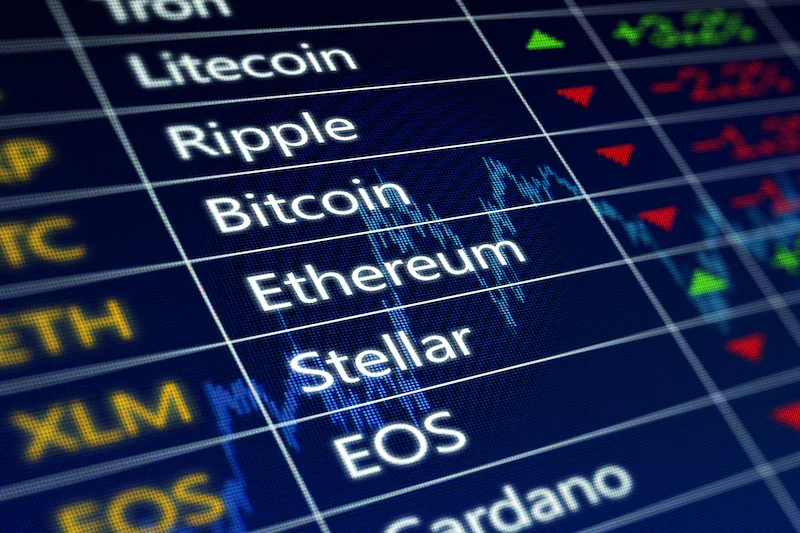
This technique avoids stress and emotional choices when markets drop. With responsible investing, you can remain calm and patient even with sudden losses in the market.
| Feature | Explanation |
|---|---|
| Risk Management | Limits financial damage in case of unexpected market downturns. |
| Financial Stability Protection | Prevents disruption of essential expenses like rent or bills. |
| Emotional Control | Reduces stress and panic during market volatility phases. |
| Responsible Investing | Encourages disciplined and cautious financial decision-making habits. |
| Long-Term Mindset | Helps investors stay patient without fear of total loss. |
6. Be Aware of Scams
The crypto space is rife full of scams preying on both beginners and seasoned investors alike. Famous schemes are phishing, fake investments, pump & dump tokens and giveaways for real earnings.

Scammers frequently employ social media, emails, and fraudulent sites to lure individuals into disclosing sensitive data. It is best to practice caution, double-check everything and disregard! If it sounds too good to be real, stay away from offers. Being updated about common scam techniques can make you help to secure your fund well.
| Feature | Explanation |
|---|---|
| Phishing Attacks | Fake websites or emails steal sensitive login or wallet information. |
| Fake Investment Schemes | Fraud projects promise unrealistic returns to lure investors. |
| Pump-and-Dump Tokens | Prices are manipulated before insiders sell for profit quickly. |
| Social Media Fraud | Scammers use fake profiles to promote deceptive crypto offers. |
| Verification Importance | Always confirm authenticity before investing or sharing information. |
7. Regulation and Taxes
The regulation and tax of cryptocurrency differ widely by country and change constantly. Understanding the treatment of crypto investments, including reporting and taxation obligations by your local government is crucial.

Gains from trading or investing in crypto are subject to capital gains tax, and/or other taxation. Neglecting these responsibilities may land you in legal trouble or at worst, a penalty.
You run the risk of becoming an unregulated player as a result of regulatory changes. Staying abreast ensures compliance and responsible asset management.
| Feature | Explanation |
|---|---|
| Legal Framework Variations | Crypto regulations differ widely between countries and jurisdictions. |
| Tax Obligations | Profits may be subject to capital gains or income taxes. |
| Compliance Requirements | Investors must report transactions according to government rules. |
| Policy Changes | Regulations evolve, affecting crypto usage and investment strategies. |
| Penalty Risks | Ignoring laws can lead to fines or legal consequences. |
8. Diversification Matters
One of the instructions to accommodate danger in cryptocurrency contributing is enhancement. Placing all of your money in one coin, rather then diversify the investment in various assets would result in less loss.
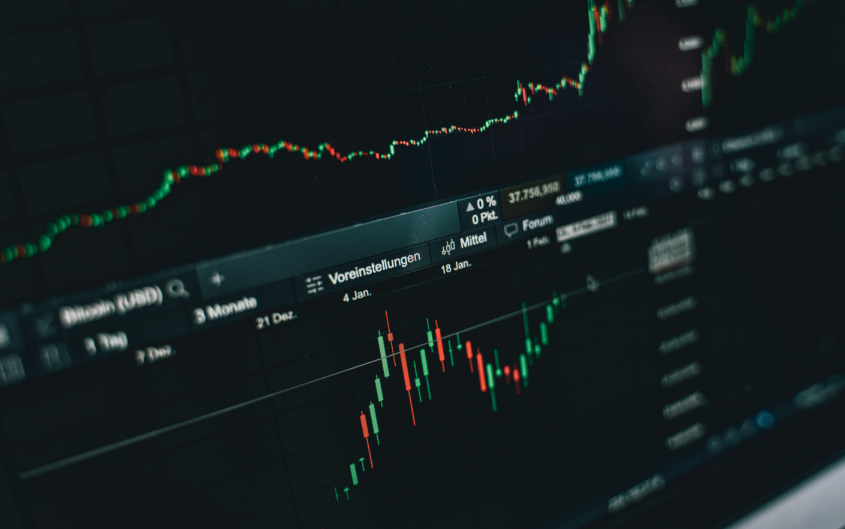
Each virtual currency performs differently in different market situations, hence diversification stabilizes your collection. Long-term stability may be improved by a blend of well-established coins and promising projects. This strategy results in your investments generally not failing or performing poorly.
| Feature | Explanation |
|---|---|
| Risk Reduction Strategy | Spreading investments lowers impact of a single asset failure. |
| Portfolio Balance | Different assets perform differently under varying market conditions. |
| Exposure to Opportunities | Multiple investments increase chances of capturing profitable trends. |
| Stability Improvement | Reduces volatility impact on overall portfolio performance. |
| Long-Term Growth Potential | Diversified portfolios often yield more consistent returns over time. |
9. Dollar-Cost Averaging (DCA)
Dollar-cost averaging is a straightforward investment strategy in which you invest a fixed amount of money on regular intervals regardless of market conditions. This method helps to mitigate the effects of volatility by averaging out the price you buy over time.

DCA encourages investing discipline instead trying to time the market, something which is challenging for even experts. Investors are not only insulated from emotional trading, but this also enables them to build their positions gradually while significantly lowering their risk.
| Feature | Explanation |
|---|---|
| Fixed Investment Plan | Invest a set amount regularly regardless of market conditions. |
| Reduced Timing Risk | Avoids the need to predict perfect entry points. |
| Price Averaging Benefit | Smooths purchase cost over time amid volatility. |
| Disciplined Strategy | Encourages consistent investing habits without emotional interference. |
| Gradual Portfolio Growth | Builds investment steadily over extended time periods. |
10. Choose a Reliable Exchange
First and foremost, choosing a reliable cryptocurrency exchange is crucial for secure and efficient trading. An exchange that one can trust should have solid security protocols, high liquidity available for trades along with open and fair fee structures, as well as twenty-four-hour/365 days a year customer support. It would ideally be in good standing with regulators.
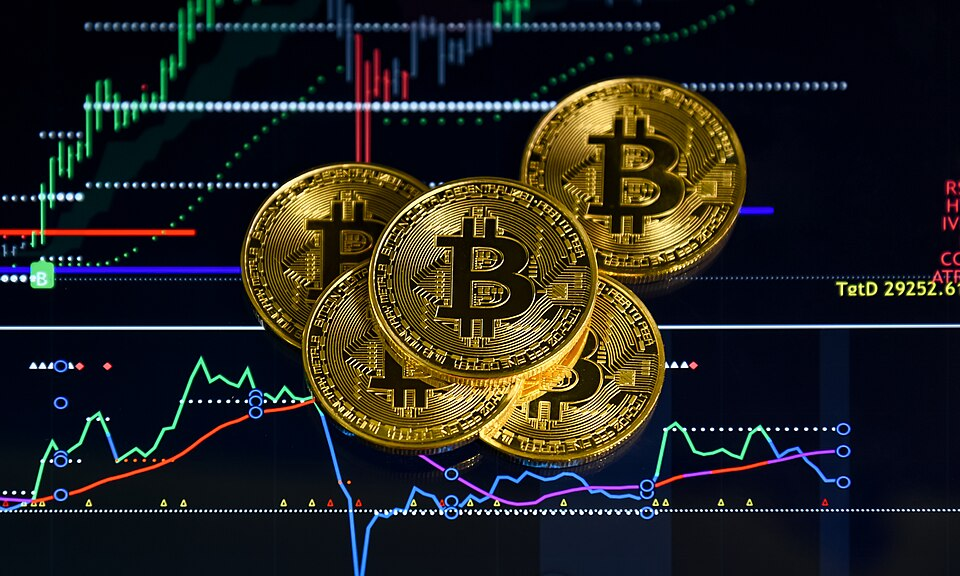
Not utilizing a reputable listed platform, can lead to use have being hacked or your funds mismanaged. Finding a trustworthy exchange and doing research goes a long way in making sure you have the best experience over the years of your investment.
| Feature | Explanation |
|---|---|
| Strong Security Systems | Protects user funds from hacking and unauthorized access attempts. |
| High Liquidity | Ensures smooth buying and selling without major price differences. |
| Transparent Fees | Clear fee structure helps avoid hidden trading costs. |
| Customer Support | Reliable assistance resolves issues quickly and efficiently. |
| Regulatory Compliance | Trusted exchanges follow legal standards for safer transactions. |
Conclsuion
All in all, you got the basics of cryptocurrency investing and important points for investments to turn into fruitful. Whether it is controlling for volatility, cold wallet protection (cryptocurrencies can and have been stolen, leading to the development of all sorts of cold storage wallets),
project research, or otherwise avoiding scams — every crypto factor matters. Investors can lower the risks and increase their chances to win in the long-term period by dividing investments, following strategies like DCA, and using solid exchanges.
FAQ
What makes cryptocurrency highly volatile?
Cryptocurrency prices are influenced by market demand, news, investor sentiment, and speculation, causing rapid price fluctuations.
What is the difference between hot and cold wallets?
Hot wallets are online and convenient, while cold wallets are offline and offer higher security.
Why should I research before investing in crypto?
Research helps you understand the project’s value, risks, and long-term potential before investing money.
How much money should I invest in cryptocurrency?
Only invest money you can afford to lose without affecting your financial stability.
