


This article talks about the best multi-chain wallets for cross-chain swaps and analyzes their attributes, such as integration with different blockchains, safety, DeFi, and their swapping functions.
These wallets give crypto users easy and effective administration of their assets over diverse blockchain ecosystems while enhancing the rapidity, ease, and accessibility of Web3 to investors, traders, and dApp users globally.
Key Points & Top 10 Multi-Chain Wallets For Seamless Cross-Chain Swaps
- Trust Wallet supports countless blockchains, enabling smooth decentralized swaps across multiple cryptocurrency ecosystems seamlessly.
- MetaMask simplifies Ethereum-based cross-chain transactions with integrated bridging, swapping, and extensive decentralized application compatibility.
- Phantom delivers fast multi-chain asset management, supporting Solana, Ethereum, Bitcoin, and Polygon networks efficiently.
- OKX Wallet combines DeFi tools, NFT access, and seamless cross-chain trading within one platform.
- Bitget Wallet offers broad blockchain support with efficient swaps, staking, and decentralized finance integration capabilities.
- Rabby Wallet automatically detects blockchain networks, improving transaction accuracy and multi-chain DeFi usability significantly.
- Exodus Wallet provides user-friendly portfolio management with integrated multi-chain cryptocurrency swap functionality available everywhere.
- SafePal enhances crypto security through hardware integration, supporting diverse cross-chain asset management solutions.
- Coinbase Wallet enables beginners to manage decentralized assets across multiple blockchain ecosystems securely and conveniently.
- Ledger Nano X protects digital assets offline while supporting secure multi-chain cryptocurrency management and swapping.
Top 10 Multi-Chain Wallets For Seamless Cross-Chain Swaps
1. Trust Wallet
Trust Wallet is a popular multi-chain wallet option that is user-friendly and supports over 110 blockchains and millions of digital assets.
The wallet provides native staking, Web3 browsing, NFT management, and built-in swaps. Users do not have to navigate multiple apps to manage token transfers between different ecosystems.
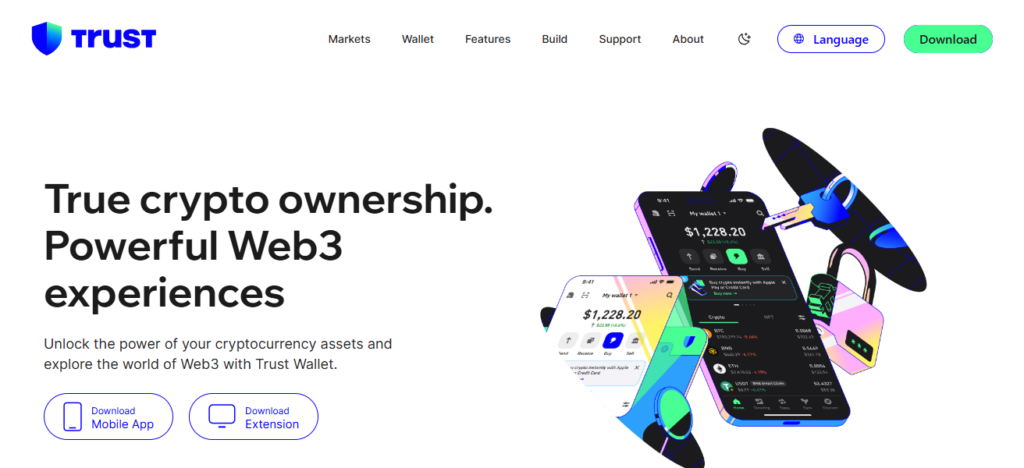
Trust Wallet offers a user-friendly interface and is compatible with DeFi apps. In a 2026 report, CoinGecko stated that Trust Wallet has a large ecosystem and a great user base.
2. MetaMask
MetaMask is easily the most popular wallet in the Ethereum and EVM spaces, and is offering more multi-chain capabilities.
The wallet connects to a bridge aggregator, which allows users to transfer assets to Ethereum, Polygon, Arbitrum, Optimism, Avalanche, and BNB.
MetaMask also offers hardware wallet integrations for even further safety. The wallet is very user-friendly and has a large developer ecosystem
This makes it the go-to wallet for NFT and DeFi trading. Industry reviews have placed MetaMask in the top wallets for cross-chain transfers.
3. Phantom
Phantom was a Solana-only wallet and has now grown into a multi-chain wallet with Polygon, Ethereum, and Bitcoin capabilities.
The user focus shows in the smooth transaction integrations and the easy management of NFTs and assets across multiple chains.
The swap feature and easy-to-use interface have made Phantom a great option for multi-chain trading. DEXTools has Phantom in its top multi-chain wallets for great usability and cross-chain trading.
4. OKX Wallet
OKX Wallet has a strong offering for Web3 trading with support for most major blockchains. Beyond standard cross-chain wallet functionality, the wallet integrates decentralized exchanges, NFT marketplaces, and cross-chain staking.
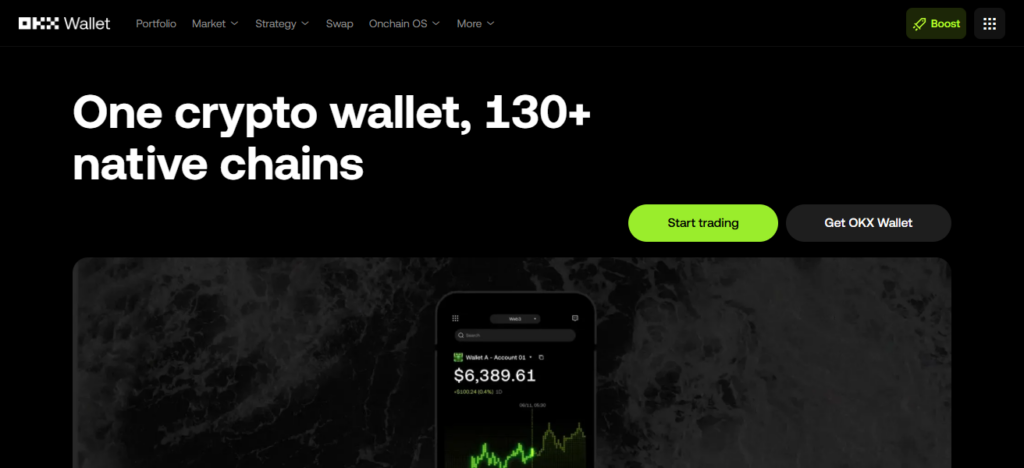
For DEX trading, the app has a routing feature that optimally swaps tokens across liquidity sources.
It has excellent support for managing traded tokens on both mobile devices and desktop browser wallets. As a result, it has a strong power user base.
5. Bitget Wallet
Another strong contender for the best cross-chain wallet is Bitget Wallet. With support for over 130 blockchains, it offers full access to DeFi and a highly integrated token discovery ecosystem and portfolio management.
One of its standout features is the routing of swaps across decentralized exchanges, all performed in-app. They also use security audits along with protection funds, increasing user trust in managing their crypto.
6. Rabby Wallet
Rabby Wallet is becoming the go-to wallet for DeFi power users due to its automatic detection of the needed blockchain for transactions.
DeBank’s development team has streamlined the complex nature of multi-chain workflows by enhancing transaction safety and providing transparency with security previews.
It’s compatible with several EVM chains, collaborating fluidly with decentralized apps, ultimately enhancing the overall safety and expediting the cross-chain DeFi engagements.
Lastly, its advanced simulation tools help users sidestep harmful smart contract approvals before signing transactions.
7. Exodus Wallet
Exodus has built a user-friendly wallet that has the ability to manage multiple assets across different chains, with crypto swapping built in.
The wallet is accessible on desktop and mobile, and allows for integration of hardware wallets. Exodus is great for casual users and long-term investors.
The app allows users to swap assets from different ecosystems, and Exodus also has a built-in portfolio management tool. For users who value usability and the ability to manage their assets with ease, Exodus is a solid choice.
8. SafePal
SafePal is both a software and hardware wallet that allows extensive multi-chain management within its ecosystem.
With cross-chain swaps and support for NFTs, on-chain staking, and more, the wallet appeals to the more security-conscious user, especially with its hardware wallet + mobile combo.
With various blockchain support, SafePal makes it easy to manage various chains and multiple assets in one location, all in a secure environment.
9. Coinbase Wallet
Coinbase Wallet is an excellent, user-friendly gateway to Web3 for first-time users, integrating support for multiple chains and dApps.
Unlike their centralized exchange, the Wallet is self-custodial, giving users full control of their assets and keys.
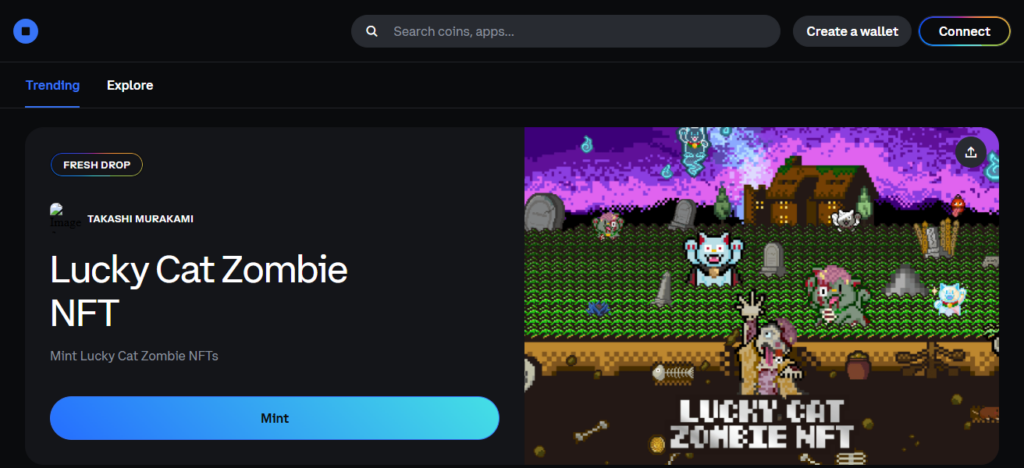
Simplified swaps and bridging, along with a user-friendly interface, make learning crypto easier. Being one of the most popular wallets, it is highly secure.
10. Ledger Nano X
Ledger remains the leading hardware wallet choice for users prioritizing maximum security while still accessing multi-chain swaps.
Through Ledger Live and integrations with external swap providers, users can manage assets across numerous networks without exposing private keys online.
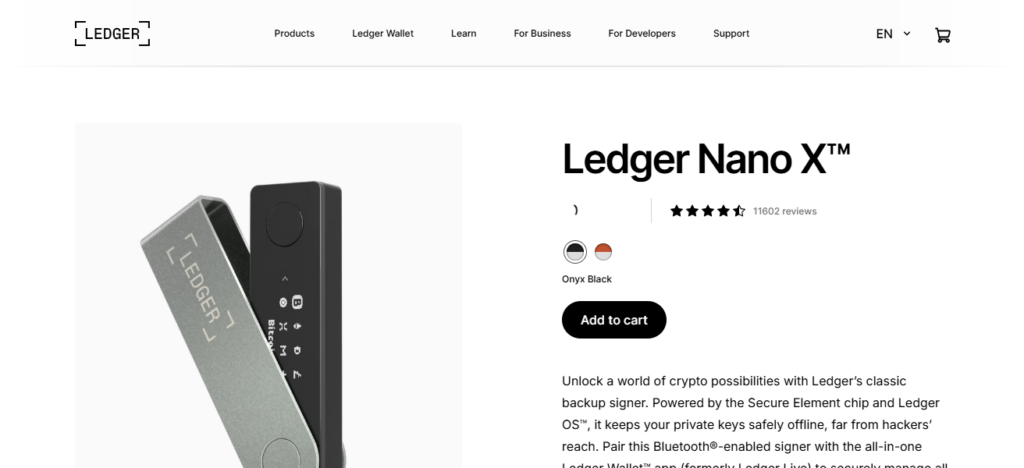
The Ledger Nano X supports Bluetooth connectivity, mobile management, staking, and DeFi integrations while maintaining cold-storage protection. Money.com ranked it among the best cold wallets for cross-chain activity in 2026.
Key Features To Look For In Multi-Chain Wallets
| Feature | Why It Matters |
|---|---|
| Cross-chain swaps | Enables direct asset movement between blockchain ecosystems |
| Broad chain support | Allows management of diversified crypto portfolios |
| Hardware wallet integration | Improves security for high-value holdings |
| dApp compatibility | Essential for DeFi, NFTs, and Web3 applications |
| Low-fee routing | Helps reduce slippage and unnecessary bridge costs |
| Security audits | Protects against exploits and malicious contracts |
Why Multi-Chain Wallets Matter In 2026
Crypto liquidity has now been integrated into different ecosystems such as Ethereum, Solana, Base, BNB Chain, Avalanche, Polygon, and Arbitrum.
Users now expect single-click asset management and swapping over the tedious task of bridging funds through different networks.
The industry is also recognizing that the best wallets merge usability with a strong focus on bridging and liquidity routing.
The more that cross-chain trading is integrated, the more that wallets that simplify trading while maintaining security will dictate the future of Web3.
Conclsuion
In summary, the best multi-chain wallets make it easy for users to manage crypto by allowing cross-chain swapping and offering access to DeFi, storage for NFTs, and increased security.
Trust Wallet, MetaMask, and Ledger Nano X make navigating blocks much easier for users. Each of these wallets has a different focus and target audience, like varying accessibility, networks, and security options, and a different user experience for advanced Web3 functionality.
FAQ
What is a multi-chain wallet?
A multi-chain wallet supports multiple blockchain networks, allowing users to manage diverse cryptocurrency assets easily.
Why are cross-chain swaps important in crypto?
Cross-chain swaps enable seamless cryptocurrency transfers between different blockchain ecosystems without centralized exchange involvement.
Is MetaMask suitable for beginners?
Yes, MetaMask provides beginner-friendly tools, decentralized application access, and secure cross-chain swap features.
Can multi-chain wallets store NFTs securely?
Yes, many wallets, including Phantom and SafePal, securely support NFT storage and management.
