


This article reviews some of the Best DAO Treasury Management Platforms on the market. These platforms help DAOs, or decentralized organizations, safely and effectively manage their digital assets and track their funds, as well as automate payment processes.
These platforms have tools for advanced governance, multi-signature security, treasury analytics, and spending controls. With these platforms, DAOs can create financial management systems for the Web3 that are secure, efficient, and scalable.
Key Point
| Platform | Explanation |
|---|---|
| Safe (Gnosis Safe) | Multi-signature wallet securing DAO assets with customizable approval workflows and governance controls. |
| Llama | Provides on-chain treasury policies, permissions, spending limits, and financial management automation. |
| Parcel | Helps DAOs manage payroll, contributor payments, expenses, and treasury operations efficiently. |
| Coinshift | Offers treasury dashboards, asset tracking, reporting, and multi-wallet management solutions. |
| Utopia Labs | Streamlines DAO payments, contributor compensation, budgeting, and financial workflows securely. |
| Aragon | Enables DAO creation with governance frameworks and treasury management features. |
| Gnosis Pay | Supports decentralized payment infrastructure connecting DAO treasuries with spending solutions. |
| Tally | Provides governance tools linking proposals, voting, and treasury execution processes. |
| Snapshot | Enables gasless community voting with transparent DAO governance decision-making systems. |
| DeFiLlama Treasury Tools | Tracks DAO treasury assets, analytics, performance, and blockchain financial data. |
10 Best DAO Treasury Management Platforms
1. Safe (Gnosis Safe)
Safe (Gnosis Safe) is the most popular multi-signature wallet used in DAO treasury management and is one of the most popular options on this list.
It reduces exposure to unauthorized transactions by providing functionality through which DAOs can control funds in a manner requiring multiple approvals.
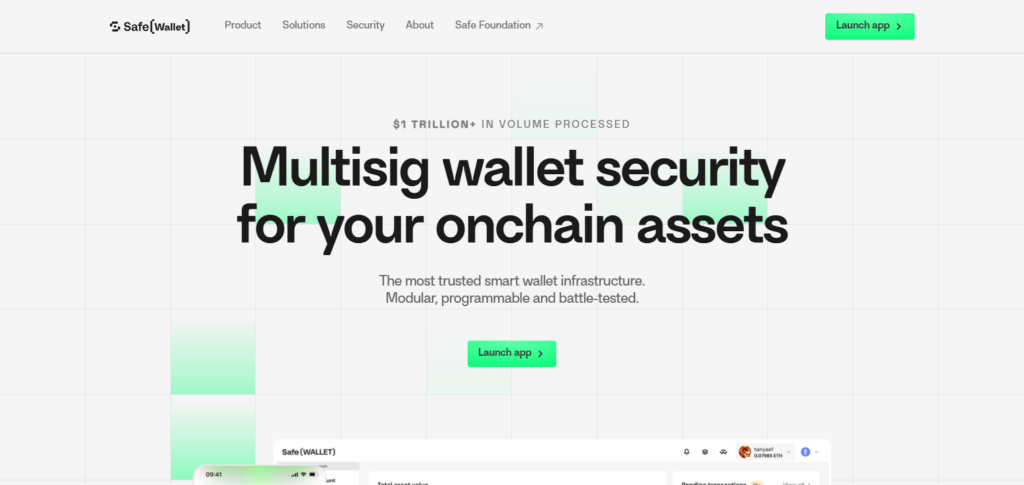
Safe offers customizable settings for permissions and transaction policies, and integrates with DeFi apps. Safe is designed for addressing the risks associated with the management of large crypto reserves, and aims at maintaining transparency and safety.
Safe is used by some of the biggest Web3 projects, investment DAOs, and decentralized organizations. It provides an extensive treasury management infrastructure, role permissions, and asset protection.
Safe (Gnosis Safe) Pros & Cons
| Pros | Cons |
|---|---|
| Strong multi-signature security protects DAO funds from unauthorized access. | Setup process can be complex for new DAO members. |
| Supports customizable permissions and transaction approval workflows. | Advanced features may require technical blockchain knowledge. |
| Integrates with multiple DeFi applications and Web3 tools. | Transaction management can become slower with many approvals. |
| Provides transparent and secure treasury control systems. | Limited automation compared with dedicated treasury platforms. |
2. Llama
Llama is the most sophisticated option on this list, aimed at sustainable financial controls and active on-chain governance for DAOs. It provides the tools to establish international spending policies and budgets, and automate treasury processes.
Llama allows DAOs to control who can spend what and at what times approvals are necessary. It provides a governance system to facilitate automation of treasury processes.
Llama offers a host of tools for an integrated management of grants, disbursement for contributors, operational outlays, and the implementation of an investment strategy.
With a policy-based system, Llama aims to solve the problem of manual management of a DAOs treasury whilst enforcing financial discipline for organizations.
Llama Pros & Cons
| Pros | Cons |
|---|---|
| Enables structured treasury policies and automated financial controls. | Requires understanding of DAO governance frameworks. |
| Improves transparency through on-chain treasury management processes. | May be excessive for smaller DAOs with simple needs. |
| Supports spending limits, permissions, and budget management. | Implementation requires proper configuration and planning. |
| Helps reduce manual treasury administration tasks. | Less suitable for traditional financial operations. |
3. Parcel
Parcel is a platform that helps DAOs streamline their financial operations for payroll, contributor payment, and expense management. Parcel helps DAOs manage their financial operations for recurring payments and treasury workflows by tracking spending.
Parcel helps crypto-native teams in particular improve the transparency and efficiency of their compensation processes. DAOs can use Parcel to automate payments to developers, community contributors, and service providers, while maintaining visibility of the financial operations.
Parcel helps lower the operational burden and helps improve efficiency. Payment coordination and expense tracking features of Parcel help DAOs address their financial needs without the reliance on legacy banking systems.
Parcel Pros & Cons
| Pros | Cons |
|---|---|
| Simplifies contributor payments and DAO payroll management. | Mainly focused on payments rather than complete treasury control. |
| Provides organized expense tracking and financial workflows. | Advanced treasury analytics features are limited. |
| Reduces manual payment processing for Web3 teams. | May not support complex investment treasury strategies. |
| Improves transparency in contributor compensation. | Smaller DAOs may not need all available features. |
4. Coinshift
Coinshift offers multi-wallet management, financial reporting, and asset tracking features and helps DAOs better manage their financial operations. Coinshift helps DAOs track their cryptocurrency holdings across multiple wallets and blockchain networks.
Coinshift offers better visibility of financial operations by providing detailed transaction history and spending insights with portfolio analytics. Operations, investments, and community fund management of DAOs are improved by the platform.
The reporting and financial tracking features of Coinshift help the treasury management team improve their decision-making. Coinshift is a good fit for growing Web3 organizations in particular, as it provides professional-grade treasury management tools.
Coinshift Pros & Cons
| Pros | Cons |
|---|---|
| Provides detailed treasury dashboards and financial reporting. | Some advanced features may require paid access. |
| Supports multi-wallet tracking across blockchain networks. | Beginners may find analytics dashboards complicated. |
| Helps DAOs monitor assets and spending activities. | Depends on blockchain data availability and accuracy. |
| Improves financial decision-making through portfolio insights. | Limited governance features compared with DAO-native platforms. |
5. Utopia Labs
Utopia Labs aims to simplify payments, budgeting, and contributor compensation mechanisms with automated finance workflows. Through Utopia Labs, decentralized organizations can implement automated payment systems to manage salaries, grants, reimbursements, and scheduling recurring payments.

With Utopia Labs, DAOs can replace burdensome manual payment processes with automated payment systems. Utopia Labs provides more control and transparency to management while reducing the administrative burden associated with payment processing.
Utopia Labs supports organizations with a global presence by eliminating the traditional financial system and supporting blockchain-based payments. With features that support payment automation and expense coordination, Utopia Labs facilitates the management of a decentralized workforce and an efficient financial operations system for DAOs.
Utopia Labs Pros & Cons
| Pros | Cons |
|---|---|
| Automates DAO payments, salaries, and contributor compensation. | Focuses more on operations than asset management. |
| Reduces administrative workload for decentralized teams. | May not cover advanced treasury investment needs. |
| Supports global crypto-based payment workflows. | Requires users to understand crypto payment processes. |
| Improves transparency in financial operations. | Feature availability can vary based on integrations. |
6. Aragon
Aragon is a prominent DAO creation and DAO governance tool suite that empowers decentralized communities to manage and govern their treasury operations. Using Aragon, communities can create DAOs, build their governance structures, and control their assets through a transparent and governed framework.
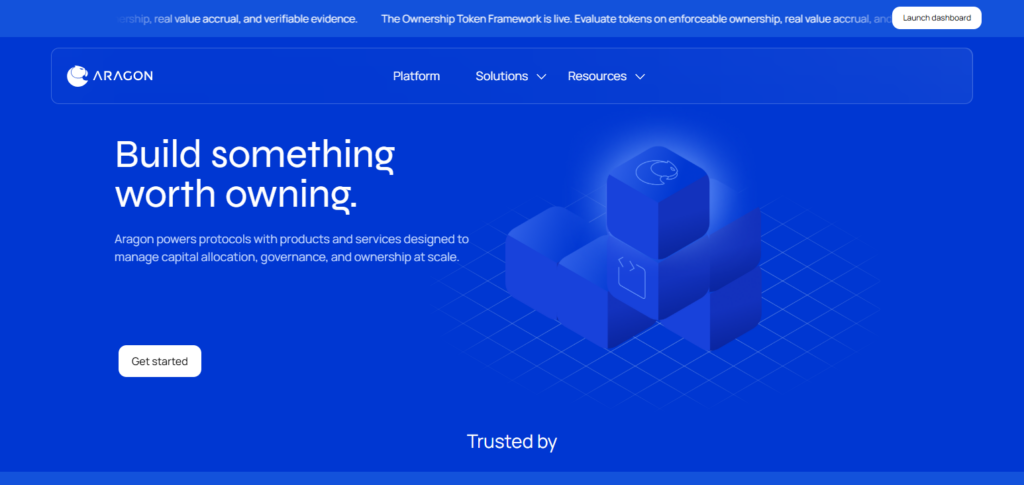
Aragon offers voting, proposal, and treasury management tools, promoting financial decision-making participation. Aragon supports flexible governance models based on the various types of DAOs like investment DAOs, community DAOs, and DAOs established by discrete protocols.
Through integrating treasury and governance actions, Aragon allows investment community DAOs to create responsible and accountable financial systems in which the community participates in the governance of the resources and the approval of significant actions.
Aragon Pros & Cons
| Pros | Cons |
|---|---|
| Combines DAO creation, governance, and treasury management. | Custom governance setup can require technical expertise. |
| Provides flexible frameworks for different DAO models. | Larger organizations may need additional treasury tools. |
| Enables transparent community-based financial decisions. | Governance complexity may increase with more participants. |
| Supports decentralized decision-making processes effectively. | Some advanced functions require deeper blockchain knowledge. |
7. Gnosis Pay
Gnosis Pay brings decentralized treasury systems and real-world spending via a payment infrastructure built on blockchain. With Gnosis Pay, DAOs can make use of their digital assets to structure financial systems and actions while preserving decentralization.
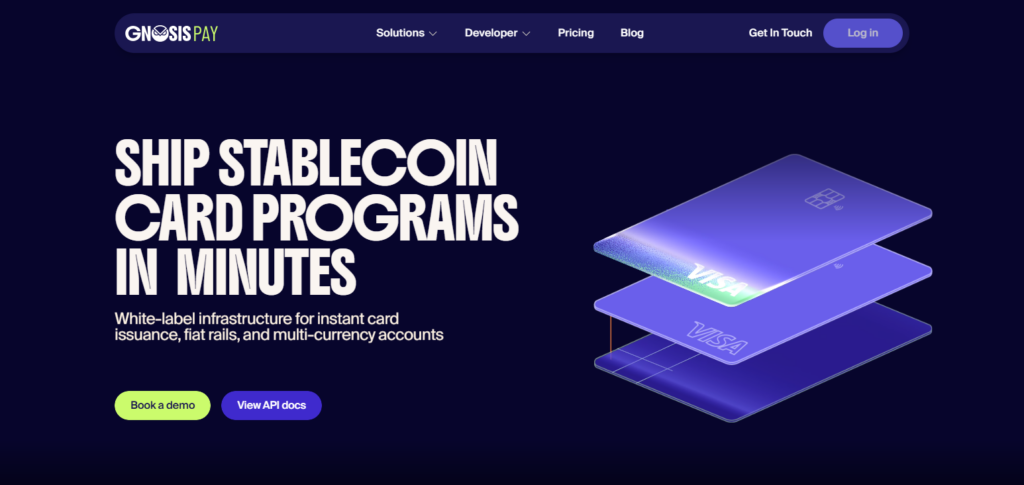
This payment service links blockchain wallets to payment solutions, addressing the gap between crypto treasuries and mainstream payment systems. With Gnosis Pay, DAOs are able to support spending
from their assets without the need to use traditional exchanges for asset conversion. The service is useful to teams that work in Web3 and require payment systems with the flexibility to support their payment needs.
Gnosis Pay Pros & Cons
| Pros | Cons |
|---|---|
| Connects DAO treasury assets with real-world payment systems. | Availability depends on supported regions and services. |
| Enables controlled spending through blockchain infrastructure. | Limited features for treasury analytics and reporting. |
| Reduces dependency on traditional banking solutions. | Requires users to manage crypto payment risks. |
| Improves practical usability of DAO funds. | Not designed as a complete treasury management suite. |
8. Tally
Tally is a DAO governance platform that combines community decision-making with the execution of treasury actions. Organizations are able to generate proposals and conduct voting and governance actions through a system built on transparent blockchain technology.
Tally links DAOs’ approved proposals to treasury actions and helps them structure financial decisions. The platform offers tools for delegation of voting rights and analytics that increase community involvement.
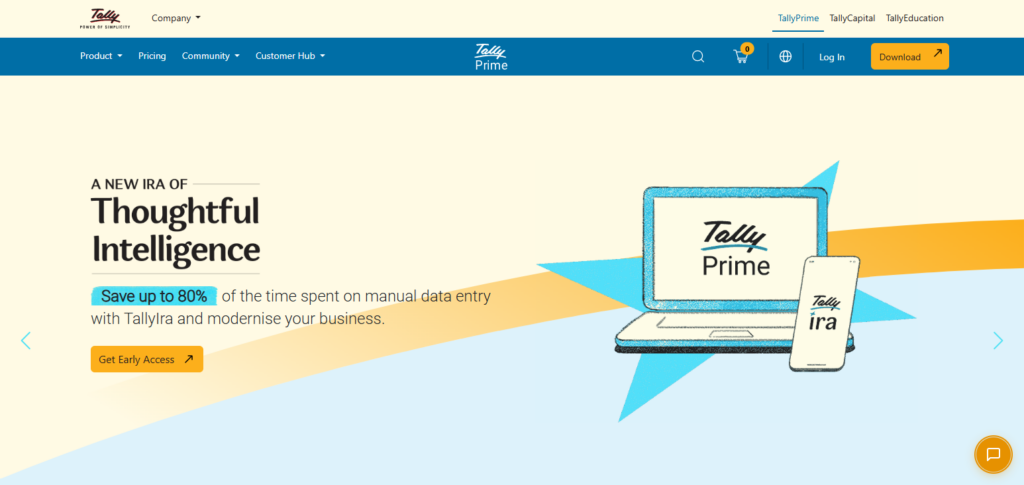
Organizations are able to use Tally to control the process of upgrading their core protocols and allocating funds. Its main focus on decentralized governance makes Tally an important tool for organizations that want to give their communities control over the financial resources and long-term strategies of the organization.
Tally Pros & Cons
| Pros | Cons |
|---|---|
| Provides strong DAO governance and voting management tools. | Does not directly manage treasury assets. |
| Connects proposals with treasury execution processes. | Requires integration with other treasury platforms. |
| Supports delegation and community participation features. | Mainly focused on governance rather than finance. |
| Improves transparency in DAO decision-making. | Complex governance structures may confuse new users. |
9. Snapshot
Snapshot is the most widely utilized gasless voting solution for a majority of DAOs for transparent governance. A gasless voting solution enables DAO members to participate in voting with no cost to them.
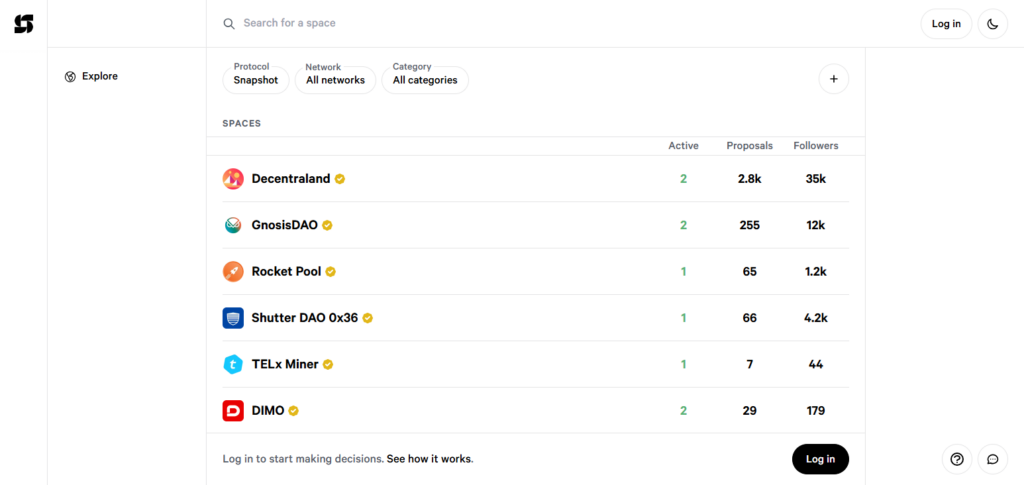
Snapshot enables DAOs to design off-chain solutions for the circulation of treasury votes, funding proposal votes, and organizational votes. Supporting different voting schemes and multiple blockchain environments
Snapshot plays a large governance role in the community in relation to the treasury, but doesn’t manage funds directly. The simplicity and transparency of Snapshot has made it extremely popular for decentralized organizations.
Snapshot Pros & Cons
| Pros | Cons |
|---|---|
| Offers gasless voting for easier DAO participation. | Off-chain voting requires additional execution systems. |
| Supports transparent community governance decisions. | Does not provide direct treasury management features. |
| Reduces voting costs for DAO members. | Security depends on connected governance processes. |
| Integrates with multiple blockchain ecosystems. | Limited financial analytics capabilities. |
10. DeFiLlama Treasury Tools
DeFiLlama Treasury Tools is a suite of DAO analytics for assets and financial performance, as well as blockchain data pertaining to treasuries. Users are able to analyze crypto and token allocations across multiple decentralized organizations.
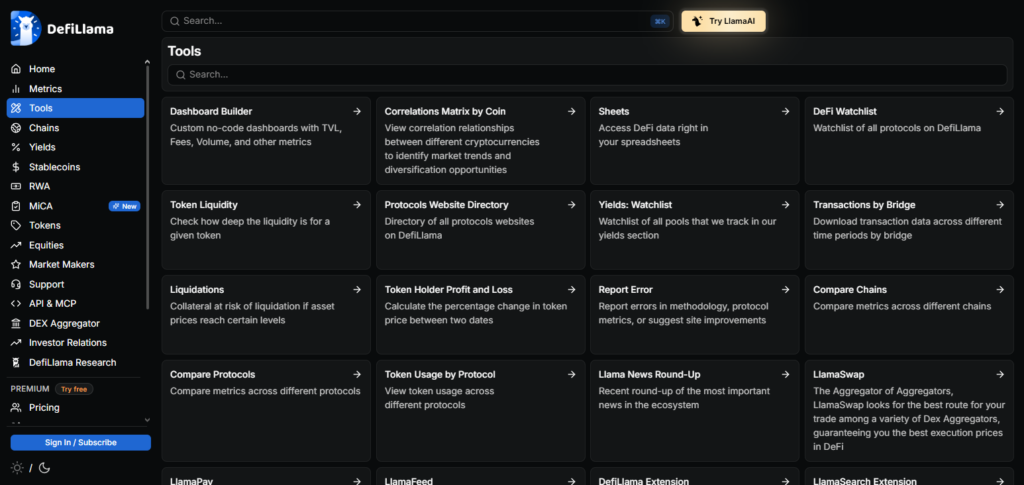
To help improve decisions relating to asset management, DeFiLlama Treasury Tools help DAOs analyze their financials and assess treasury strategies. At DeFiLlama, user data is organized and visualized for immediate consumption, so that users can analyze how a particular decentralized organization manages their funds.
Real-time blockchain analytics available on DeFiLlama support users and potential investors of a decentralized financial ecosystem in evaluating the treasury planning and risk of the funds.
DeFiLlama Treasury Tools Pros & Cons
| Pros | Cons |
|---|---|
| Provides comprehensive DAO treasury tracking and analytics. | Mainly focused on data analysis, not execution. |
| Tracks assets across multiple blockchain networks. | Requires external tools for treasury operations. |
| Helps compare DAO financial performance and holdings. | Data accuracy depends on blockchain integrations. |
| Offers valuable insights for investors and researchers. | Less suitable for managing daily treasury activities. |
Conclusion
In summary, DAO Treasury Management Platforms help decentralized organizations secure digital assets, increase financial operations transparency, and simplify financial processes. Safe, Llama,
Coinshift, and Parcel offer sophisticated tools for treasury tracking, governance, payments, and asset management. As DAOs keep growing, these platforms will enable communities to have better financial control, security, and sustainable growth within the Web3 environment.
FAQ
Why do DAOs need treasury management platforms?
DAOs use these platforms to improve fund security, automate payments, track assets, and maintain transparent financial operations.
Which is the best DAO treasury management platform?
Safe (Gnosis Safe), Llama, Coinshift, and Parcel are among the leading DAO treasury management platforms.
How do DAO treasury platforms improve security?
They provide features like multi-signature wallets, permission controls, transaction approvals, and on-chain monitoring.
Can DAO treasury platforms manage multiple crypto assets?
Yes, many platforms support multiple tokens, wallets, blockchain networks, and portfolio tracking features.
