


In this article, I will discuss the Crypto Wallets Offering “Gasless” Transactions via Social Login and how they are transforming modern Web3 accessibility.
These innovative wallets remove complicated blockchain barriers by enabling users to sign in using social accounts while avoiding direct gas fees.
Platforms like Privy, Dynamic, Base, Polygon, and ZeroDev are helping startups improve onboarding, scalability, security, and mainstream blockchain adoption in 2026.
Key Points & 15 Crypto Wallets Offering “Gasless” Transactions via Social Login
| Wallet/Provider | Key Features | Chains Supported |
|---|---|---|
| Privy | Embedded wallets, Google/Apple/X/Discord login, fiat on-ramp | 20+ EVM chains (Ethereum, Base, Arbitrum, Polygon, zkSync, Optimism) |
| Dynamic | Modular SDK, customizable UX, session keys | Ethereum, Polygon, Base, Arbitrum |
| ZeroDev | Developer-first AA infra, gas sponsorship | All major EVM chains |
| Alchemy Account Kit | Plug-and-play AA, Paymaster APIs | Ethereum, L2s |
| Safe | Multi-sig smart wallets, social recovery | Ethereum, Polygon, Arbitrum, Optimism |
| zkSync Era | Native AA, gasless meta-transactions, social login | zkSync Layer‑2 |
| Linea | Gasless onboarding, embedded wallets | Ethereum L2 |
| Scroll | ERC‑4337 AA, dApp gas sponsorship | Ethereum L2 |
| Base | Coinbase-backed, AA wallets with social login | Ethereum L2 |
| Optimism | Session keys, sponsored gas | Ethereum L2 |
| Arbitrum | Gasless UX for gaming/social dApps | Ethereum L2 |
| Polygon | Gasless onboarding SDKs | Ethereum L2 |
| Avalanche | Privy/Dynamic integrations | Avalanche C‑Chain |
| Farcaster-integrated wallets | Social identity + embedded wallets | Ethereum ecosystem |
| MoonPay Embedded Wallets | Fiat on-ramp + invisible wallets | Multi-chain |
15 Crypto Wallets Offering “Gasless” Transactions via Social Login
1. Privy
Privy is designing an onboarding system for Web3 via a wallet solution for startups employing social logins and gasless transactions.
Embedded wallet infrastructure means no complicated seed phrases; users instantly authenticate Google, Apple, or email and enter the blockchain.
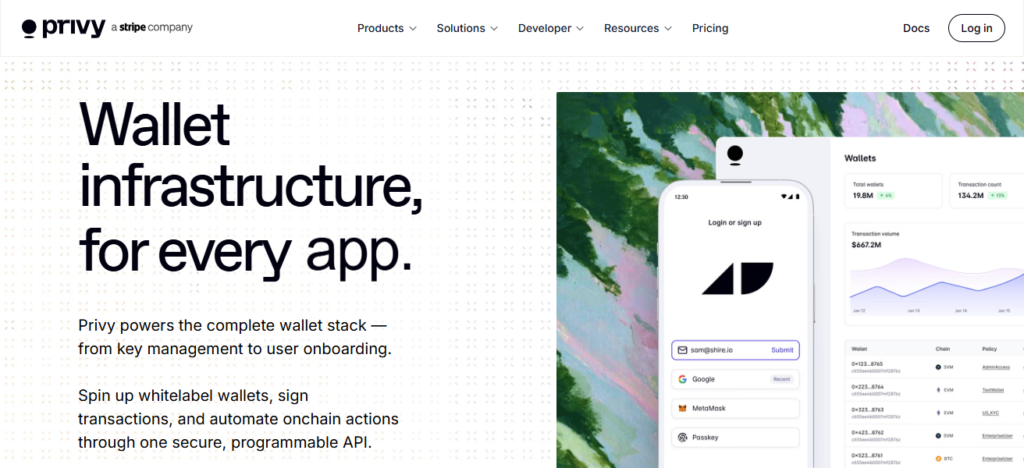
In 2026, Privy aims to help decentralised finance applications minimize onboarding friction to help retain users.
Privy has customizable wallet flows, enterprise-level security, and transaction simplification, all proving helpful to the modern startup’s blockchain adoption across the world.
2. Dynamic
Dynamic reduces blockchain onboarding friction for users via gasless transactions and social logins.
Discord, Google, Telegram, and email logins allow users to access decentralised applications, while key management is handled by the platform.
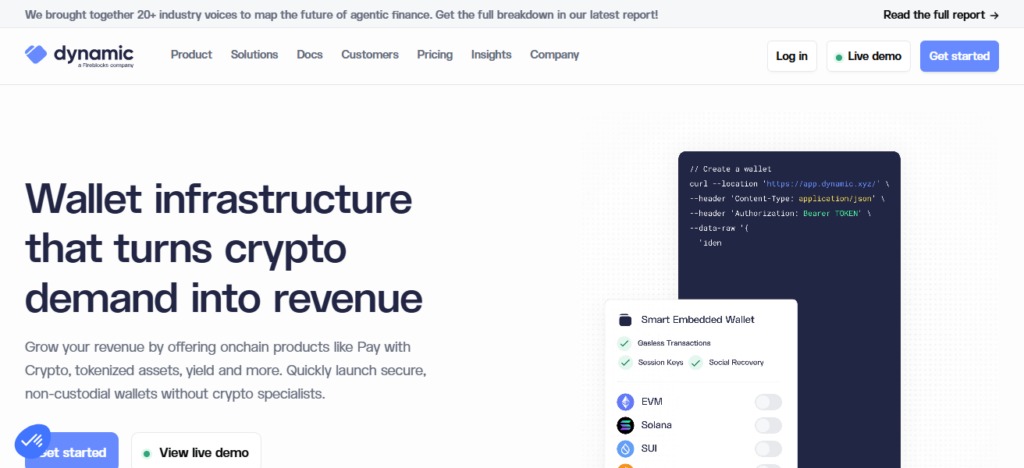
As such, the platform has become increasingly popular across NFT, gaming, and DeFi projects in 2026. Dynamic’s platform supports multi-chain wallet systems, which enable seamless scaling of Web3 projects.
Additionally, the platform has developer-oriented integrations and flexible authentication systems, allowing users to improve retention and minimize onboarding.
3. ZeroDev
ZeroDev specializes in providing sophisticated gasless transactions for account abstraction wallets.
Developers utilizing the ZeroDev platform can design smart wallets that incorporate social login, automated payments, and other features that enhance blockchain accessibility and simplify the overall user experience.
By 2026, many startups will be using ZeroDev to build automated systems that increase accessibility for users who lack traditional knowledge of crypto.
With user accounts and transactions built on their ERC-4337 infrastructure, ZeroDev further enhances the user experience for early adopters of Web3.
In addition, ZeroDev provides businesses in the Web3 space with customizable wallets, session keys, and scalable Application Programming Interfaces (APIs) that allow developers to build more effective and efficient decentralized applications.
4. Alchemy Account Kit
Startups using Alchemy Account Kit can design embedded wallets that provide users with gasless transactions and social logins.
In 2026, one of the biggest benefits of using Alchemy is the simplification of account-based abstraction for traditional users.
With account-based abstraction, the barriers to entry for applications built using Google, email, or other social account logins have been virtually eliminated.
Furthermore, due to Alchemy’s robust account abstraction application, developers are now able to scale their applications while providing enhanced security and seamless transaction experiences.
Alchemy Account Kit offers developers user SDKs, smart account management, and cross-chain interoperability that allow for the building of decentralized applications that are easier and faster to use.
5. Safe
Safe is a market-leading digital wallet provider that enables gasless transactions and social logins for decentralized applications (dApps).
Although Safe is renowned for its secure multisig wallets, it is now enabling sophisticated account abstraction for businesses and decentralized autonomous organizations (DAOs) throughout the world.
In 2026, Safe is preferred by the majority of startups due to its secure transactions and simplified user onboarding.
The platform offers a modular wallet design, automation, and customizable transaction and authentication layers. Safe is indispensable for the future of blockchain and enterprise building due to its expanding ecosystem and institutional-grade reliability.
6. zkSync Era
zkSync Era is quickly becoming a dominant player in account abstraction technologies and low-cost, gasless blockchain experiences as a Layer 2 ecosystem.
Startups now prefer zkSync Era for its balance of security and speed of Ethereum, as well as the simplified wallet onboarding.
Decentralized applications can be accessed through social logins, and gas fees and wallet hassles are a thing of the past.
In 2026, zkSync Era continues to attract developers for its fast transaction layer and greater scalability for DeFi, games, and NFTs.
Its zero-knowledge rollups are helping transaction efficiency and enabling wider blockchain mainstream adoption.
7. Linea
Linea seeks to be an efficient Layer 2 Ethereum network to develop scalable decentralized applications.
Several startups integrate Linea wallets with social applications to simplify the onboarding process for non-technical users.
In 2026, Linea begins to provide abstraction of accounts and sponsored transactions, alleviating a lot of blockchain friction for developers.
Linea has strong Ethereum compatibility, and developers can seamlessly migrate decentralized applications.
Linea also has a developing ecosystem of DeFi, NFT, and game applications. The existing projects of Linea enhance the modern Web3 infrastructure.
8. Scroll
With the zk-rollup technology, Scroll attracts several startups with affordable and gas-optimized blockchain transactions.
Scroll offers an abstraction of accounts and social wallets, which allows for easier Web3 onboarding of mainstream users.
In 2026, there are more transactions on Scroll since it remains compatible with Ethereum but also has faster transactions with a lower cost.
The network also has gasless transactions, which eliminate complicated crypto payment transactions and help retain users.
For decentralized finance, gaming, and NFT projects, Scroll offers promising technology and prioritizes decentralization and scalability of the network.
9. Base
Base, which is backed by Coinbase, is looking to become the most dominant Layer-2 ecosystem, offering a gasless wallet and social onboarding experiences.
Startups lean towards Base since it offers easier access to decentralized applications for casual users by integrating familiar sign-on options and reducing transaction costs.
By the year 2026, many Web3 gaming and creator economy platforms will utilize Base for blockchain adoption.
The network will also get additional trust and accessibility to new crypto users through the Coinbase ecosystem.
Their focus is more on the developer environment, ensuring rapid advancement of decentralized finance and social solutions.
10. Optimism
In the coming years, Optimism is looking to become a great option for many decentralized applications due to its affordable cost of Ethereum transactions and, at the same time, high scalability.
Startups favor Optimism-based wallets due to gasless wallets and easier onboarding options, such as social logins and email logins. By the year 2026, Optimism hopes to grow fast and reach potential customers.
Optimism’s Superchain vision is in line with its goal of promoting interconnected blockchain ecosystems in the same place.
With ongoing innovations and capitalism, Optimism is becoming a reliable and essential infrastructure for many Web3 startups across the world.
11. Arbitrum
Arbitrum primarily facilitates gasless transactions and simplified use of onboarding tools on Ethereum layer-2 solutions.
Startups are integrating Arbitrum into their systems to make social logins easy, while reducing blockchain complexities for users.
In 2026, Arbitrum is expected to be at the forefront of DeFi and gaming innovations, mainly due to his high speed transactions and low operational costs.
Arbitrum also supports account abstraction and provides a gasless wallet infrastructure, making its ecosystem very appealing for Web3 application developers.
12. Polygon
Polygon is one of the blockchain ecosystems with the highest adoption in the facilitation of gasless transactions and social login wallet integrations.
Startups choosing Polygon do so mainly because of the low transaction fees, speed, scalability, and excellent compatibility with Ethereum.
Also in 2026, account abstraction in Polygon is expected to help decentralized applications improve their onboarding integration for the general public who aren’t crypto-savvy.
The ecosystem collaborates with top global brands, increasing access to blockchain technology. Polygon will continue to be the preferred solution for a large number of innovative and decentralized applications and platforms.
13. Avalanche
Avalanche is picking up traction with startups looking for high-speed blockchain infrastructure that includes gas-efficient wallet structures and social authentication layers.
Its architecture is modular and scalable enough to meet the needs of decentralized applications, providing faster confirmations and cheaper transactions.
By 2026, Avalanche will have attracted more gaming, DeFi, and enterprise applications with account abstraction, including gasless applications.
The network also provides the ability for developers to create custom subnets, which provides even more flexibility and scalability to businesses.
Avalanche is expanding its ecosystem further and shows strong interest from enterprises, leading to efficient and competitive application building on modern blockchain technology.
14. Farcaster-integrated wallets
Farcaster-integrated wallets combine the ease of social login with blockchain gasless interaction, disrupting the landscape of decentralized social networks.
Users can access Web3 social platforms and communicate without the hassle of learning to manage private keys.
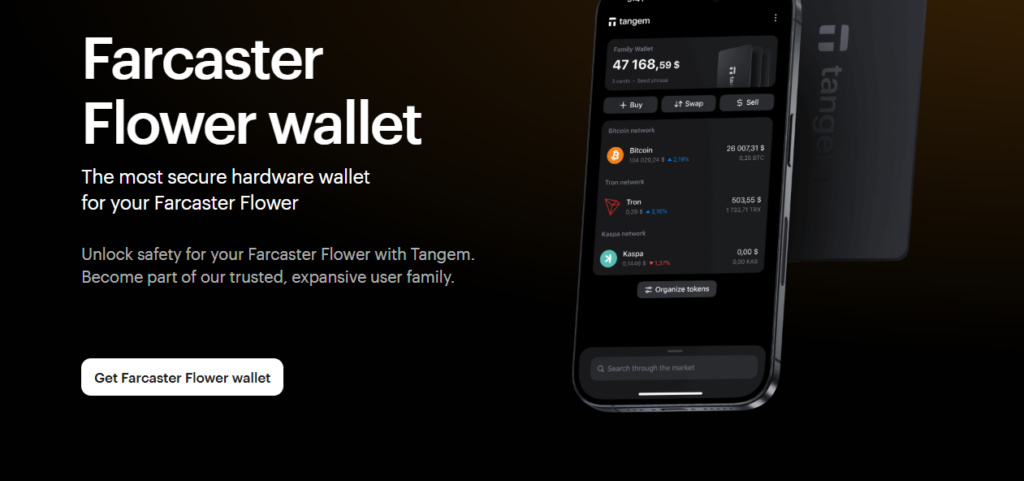
By 2026, Farcaster is gaining traction as a foundational communication layer of the decentralized Web on the part of creators and developers, thanks to Farcaster’s gasless messaging.
Farcaster-integrated Wallets facilitate user engagement, provide social graph ownership, identity portability, and monetization, and are therefore valuable to emerging decentralized social media startups.
15. MoonPay Embedded Wallets
MoonPay provides wallet solutions that use integrated social logins and embedded wallet infrastructure that enable gasless transactions on blockchain-based systems.
More and more startups are reliant on MoonPay, which provides users direct access to Web3 applications without the need to download typical crypto wallets.
The company will keep partnering with gaming, NFT, and creator economy businesses that are trying to attract the mainstream markets with the company’s solution
for integrations in fiat and wallet services. The company’s effective integrations bridge old and new financial systems.
Conclusion
In summary, Crypto wallets providing gasless transactions through social login are changing the game for worldwide Web3 startups and mainstream users.
Companies like Privy, Dynamic, Polygon, Base, and ZeroDev streamline the user experience by eliminating gas fees and the burden of private key management.
Looking ahead to 2026, these groundbreaking wallets will be even more effective in promoting decentralized technology with quicker transactions, greater security, better scalability, and enhanced user experience.
FAQ
What are gasless crypto wallets?
Gasless wallets let users complete blockchain transactions without paying direct network gas fees themselves.
How do social login crypto wallets work?
They allow users to sign in using Google, Apple, Discord, Telegram, or email accounts.
Why are gasless transactions popular in 2026?
They simplify blockchain onboarding and attract mainstream users into decentralized applications more easily.
Which wallets support gasless transaction technology?
Privy, Dynamic, ZeroDev, Safe, MoonPay, and Alchemy Account Kit support gasless features.
