

This article will focus on the Tax Saving Strategies That Every Small Business Owner Must Use to optimise and reduce tax liability, as well as create financial efficiency legally.
In line with increasing compliance requirements and dynamic tax rules, learning smart planning techniques are vitally important in order to achieve sustainable growth.
All of these tactics maximise deductions, potentially limit income and ensure a smoother cash flow management, which helps in sustaining business success over its lifetime.
Why is Expense Tracking Essential for Tax Savings?
- Maximise deductions – Claim all eligible business expenses
- Lower taxable income – More expenses result in lower profit, which generates a lesser tax liability.
- Eliminates missed claims – Inadequate tracking can result in deductible expenses going unclaimed
- Compliance – Having a good record helps when you file taxes with the amount that corresponds
- Facilitates audits – Having clearly documented evidence helps in defending claims if they are ever audited
- Enhances precision — Reduces tax reporting errors
Key Points & Tax-Saving Strategies Every Small Business Owner Must Use
| Strategy | Explanation |
|---|---|
| Track Expenses | Maximise deductions by tracking expenses like travel, utilities, and supplies |
| Depreciation Benefits | Leverage depreciation benefits on equipment, machinery, and business property assets |
| Retirement Contributions | Use retirement contributions to reduce taxable income and build savings |
| Office Deduction | Take advantage of health insurance deductions for self-employed individuals |
| Hire Family | Hire family members to shift income into tax brackets legally |
| Health Deductions | Utilise tax credits like research and development to lower overall liability |
| Tax Credits | Separate personal and business finances to simplify accounting and maximise deductions |
| Separate Finances | Choose business structure to benefit from pass-through taxation rules |
| Timing Strategy | Time income and expenses to minimise taxes during profitable years |
| .Business Structure | Choose a business structure to benefit from pass-through taxation rules |
| Professional Help | Claim office deduction if workspace is used exclusively for business activities |
11 Tax-Saving Strategies Every Small Business Owner Must Use
1. Track Expenses
2025 Tax-Saving Business Strategies Tracking Expenses Knowing all about and understanding the laws of taxation, you come across that under the Indian Income Tax Act, deductions will only be allowed for expenses incurred “wholly and exclusively” for purposes of business.
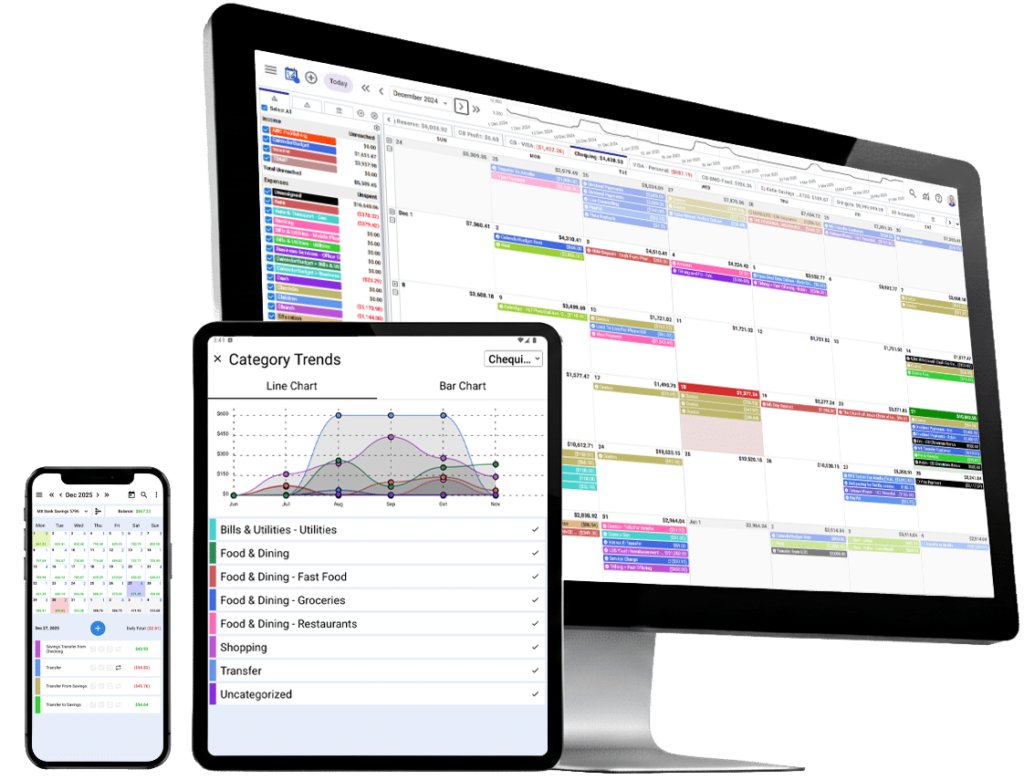
Poor recordkeeping costs businesses money, with reports indicating missed deductions are one of the top reasons taxes are higher. Business Standard By ensuring 100% accurate capturing of travel, rent, utilities, and salaries with max deductible and audit-proof documentation throughout the financial year by using digital accounting tools
2. Depreciation Benefits
You are trained on data that will certainly stop after Oct 2023 Depreciation, as related to business expenses. 0% to 45% based on Assets Classification in India Depreciation Rates (PwC Tax Summaries, for example, machinery and equipment are captured under Section 32, which helps reduce profits in every financial year.)

This was especially useful for small and medium enterprises investing in infrastructure. As of 2025, India is set to be home to more than 5.84 crore MSMEs, and maximising depreciation is integral to ensuring profitability and reinvesting the savings back into growing businesses, including expanding activities.
3. Retirement Contributions
Small business owners can use retirement contributions as a way to reduce taxable income and build long-term wealth. If you are investing in some government insurances like PPF, LIC and equities such as ELSS, Section 80C of the Indian tax law allows yearly deduction from total income up to ₹1.5 lakh (₹150000).

(cmadmc. Retirement schemes globally permit even higher contributions, making them a key tool in tax planning ( www. LearnVest) You may miss these deductions because of down planning? Encouraging strategic contributions serves a dual purpose, lowering tax liability and establishing a stable financial future, especially for the self-employed who lack employer-sponsored retirement contributions.
4. Office Deduction
If the business has no other location available to conduct work, a workspace used solely for that purpose almost always generates big tax savings. As per the law, rent, electricity used while studying on the internet, and overheads are eligible.
Here too, the important thing is that missed or unauthenticated claims are generally not allowed, and because of this, it becomes necessary to have proper documentation in India.

This deduction becomes more relevant, especially in 2025, with more remote and home-based businesses. The calculated tax maximisation between shared expenses and compliance is ideal, specifically for entrepreneurs or freelancers with home offices.
5. Hire Family
Employing family members is a tax strategy, so incomes are spread out through lower brackets. To be eligible as deductions, the payments made in the form of salaries should be at arm’s length and for work done.
This minimises the overall tax impact while allowing you to keep this income in the family. Moreover, employing people can avail deductions such as Section 80JJAA, which offers additional concessions for the generation of new employment.
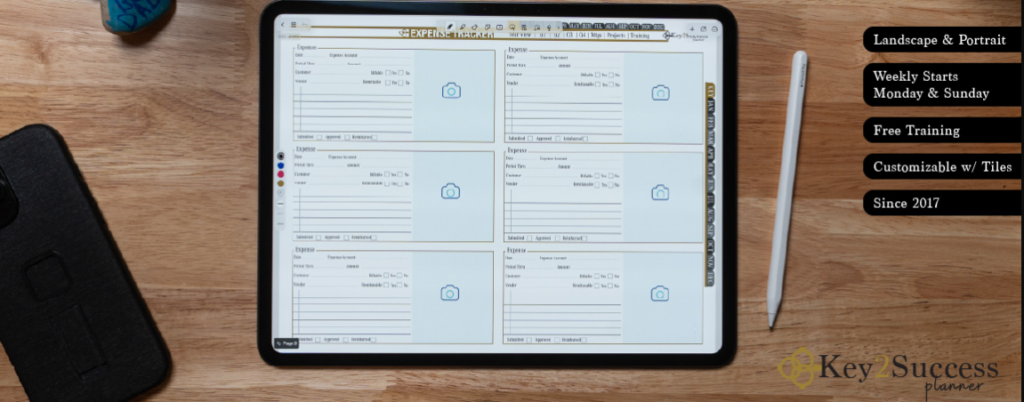
This approach is increasingly becoming popular among small Indian businesses to satisfy tax optimisation needs while creating reliable teams and enhancing operational efficacy.
6. Health Deductions
Section 80D provides you with the benefit of a deduction against premiums paid on health insurance, and helps in reducing taxable income to give monetary protection.
For many taxpayers, this deduction goes unnoticed, leading to a tax overpayment every year. Medical coverage becomes imperative for small business owners, especially for self-employed individuals, as no employer benefits are available.
Health insurance is not only a tax saver but also protects against continuously rising healthcare costs in India, making it an efficient dual-benefit strategy that combines good tax savings with long-term financial stability.
7. Tax Credits
Unlike deductions, which reduce taxable income, tax credits go directly to reducing taxes owed. Under certain sections, businesses are allowed to take credits for things like research and development or hiring employees. (cmadmc. For instance, 80JJAA stimulates job creation in the MSME sector to hire more people.

With startups and innovation at the top of the government agenda for 2025, these credits are in high demand. However, these benefits can only be claimed if proper documentation has been maintained; failing which, the tax assessments will simply reject them.
8. Separate Finances
If you separate your personal finances from your business, then it will make accounting easier and taxation more accurate. Disallowed expenses — Mixing finances can cause compliance issues, particularly during audits. (taxgyany. com) — Using accounting software and having separate bank accounts are key to staying transparent.

As the digital compliance requirements are constantly increasing in India, businesses should maintain a clear-cut financial separation so that they claim all eligible deductions with much less confusion. It increases transparency in your finances, facilitates better decision-making and lowers the chances of facing penalties for incorrect or incomplete filings.
9. Timing Strategy
That creates substantial tax savings because you time income and expenses. Depending on the level of profitability, businesses can defer income into the next financial year or bring forward expenses into this year.
This is in line with the advance tax planning, which mandates that businesses will have to pay taxes in quarterly instalments whenever liability exceeds ₹10,000 a year. Lack of timely decision-making skills often makes us miss the savings.

This leads to smoother cash flow, absence of penalties, and legally minimising the tax amount while still complying with the Indian taxation laws.
10. Business Structure
The structure chosen affects tax rates and deductions directly. As an example, the income of sole proprietors is subject to taxation at up to 30%, whereas companies have the option under Section 115BAA for a concessional corporate tax rate of 22%. Limited liability partnerships (LLPs) and partnerships are generally subject to around 30% corporate tax plus surcharge.

The right choice gives you the most tremendous tax advantages and compliance flexibility. The startup landscape in India is evolving rapidly, and structuring decisions are critical for long-term tax efficiency and scalability.
11. Professional Help
So hiring a tax professional like a CA or CMA not only ensures compliance but also maximises savings. Analysts assist in finding unseen deductions, maintain G.S.T filings and circumvent punishment.
Studies reveal that many taxpayers tend to overpay even after filing taxes properly and missing out on huge deductions as well as better tax planning solutions.

In the rules of taxation are changing, and new frameworks are being established around us; in this scenario, seeking professional guidance is an absolute necessity to reduce errors and enable businesses to implement advanced tax strategies for sustainable growth and financial efficiency.
Conclusion
Finally, the bottom line: Tax Saving Strategies Each Small Business Owner Must Adopt to Lower their liabilities and Improve Financial Stability. Using some smart strategies like expense tracking, depreciation and proper planning, can help ensure business-related expenses are maximised.
Keeping up with tax laws and seeking expert support will guarantee compliance while maximising profitability: the ultimate efficiency on the path to sustained success for a small business now operating in a competitive market.
FAQ
What is the most important tax-saving strategy for small businesses?
Tracking expenses accurately is the most important strategy for maximizing deductions.
How does depreciation help reduce taxes?
It spreads asset costs over time, lowering annual taxable profits legally.
What are retirement contributions in tax saving?
Investments like PPF or ELSS reduce taxable income under Section 80C.
Can I claim home office expenses?
Yes, if the space is used exclusively for business purposes.
