


This article will cover the most effective Continuous Automated Penetration Testing Software for Infrastructure to assist companies in finding weaknesses in the systems, creating software that will run simulated cyberattacks, and helping to improve software defenses.
Programs that perform automated testing on Infrastructure will provide not just constant surveillance, but will also provide risk assessment and help organizations plan and prioritize their response to threats to the security of their networks, cloud systems and infrastructure.
Key Points & Best Continuous Automated Penetration Testing Softwares for Infrastructure
| Software | Explanation |
|---|---|
| Intruder | Continuously scans infrastructure, prioritizing vulnerabilities and simplifying security remediation workflows efficiently. |
| Detectify | Automated testing platform discovering vulnerabilities across websites, applications, and cloud infrastructure. |
| Pentera | Simulates real-world cyberattacks automatically to validate organizational security controls continuously. |
| Cymulate | Provides continuous exposure validation through automated attack simulations and security assessments. |
| Rapid7 InsightVM | Delivers automated vulnerability assessments with actionable remediation recommendations for infrastructure teams. |
| NodeZero | Performs autonomous penetration testing, identifying exploitable weaknesses without manual intervention requirements. |
| vPenTest | Automates network penetration testing and generates comprehensive remediation-focused security reports effectively. |
| Horizon3.ai | Uses artificial intelligence to continuously uncover exploitable infrastructure security weaknesses proactively. |
| BreachLock | Combines automated penetration testing with expert validation for comprehensive security assessments. |
| Probely | Continuously tests applications and infrastructure, helping developers remediate vulnerabilities faster efficiently. |
10 Best Continuous Automated Penetration Testing Softwares for Infrastructure
1. Intruder
Intruder is a continuous cloud-based penetration testing solution that allows for 24/7 monitoring of an organization’s infrastructure. The software has built-in external attack surface scanning, auto-discovery for newly introduced vulnerabilities, and risk prioritization based on the likelihood of a vulnerability being exploited.
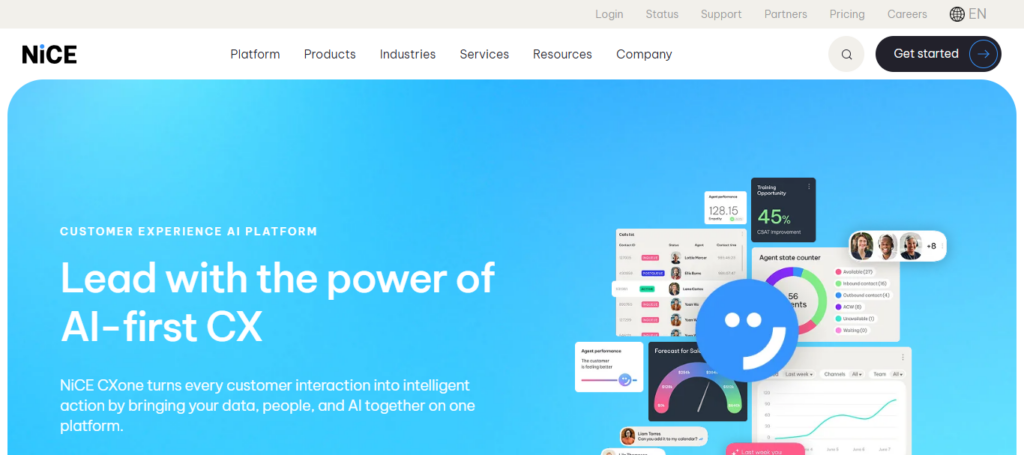
Given its integration with major cloud providers and DevOps tools, securing the remediation process for security teams is seamless.
The extensive resource usage for manual pentesting and big security teams is eliminated since Intruder constantly updates vulnerability information.
Intruder – Pros & Cons
| Pros | Cons |
|---|---|
| Easy-to-use cloud dashboard for continuous vulnerability monitoring. | Advanced features require higher-tier subscription plans. |
| Prioritizes risks based on exploitability and business impact. | Limited internal network penetration testing capabilities. |
| Integrates with AWS, Azure, and Google Cloud. | Fewer compliance reporting features than enterprise competitors. |
| Automatically updates with newly discovered vulnerabilities. | Can generate false positives in complex environments. |
2. Detectify
Using ethical hackers and advanced research methods for vulnerability detection, Detectify automates website security testing. The platform continuously scans the websites and the cloud for security vulnerabilities and monitors the internet-facing assets of an organization.

Its use of crowdsourced vulnerability intelligence enables fast updating of the platform with the latest attack methods.
Detectify not only simplifies and accelerates the security for internet-facing assets of an organization, but also improves proactive security beyond the constraints of traditional penetration testing.
Detectify – Pros & Cons
| Pros | Cons |
|---|---|
| Crowdsourced vulnerability research provides up-to-date testing capabilities. | Premium pricing may not suit smaller businesses. |
| Excellent external attack surface management features. | Primarily focused on internet-facing assets. |
| Simple deployment and minimal configuration requirements. | Limited customization for advanced penetration testing scenarios. |
| Frequent security updates from ethical hacker community. | Internal network assessments are comparatively limited. |
3. Pentera
Automated security validation is the most popular feature of Pentera. Rather than stressing the identification of a security weakness, the platform safely executes real-world cyberattacks to test the exploitability of an identified weakness.
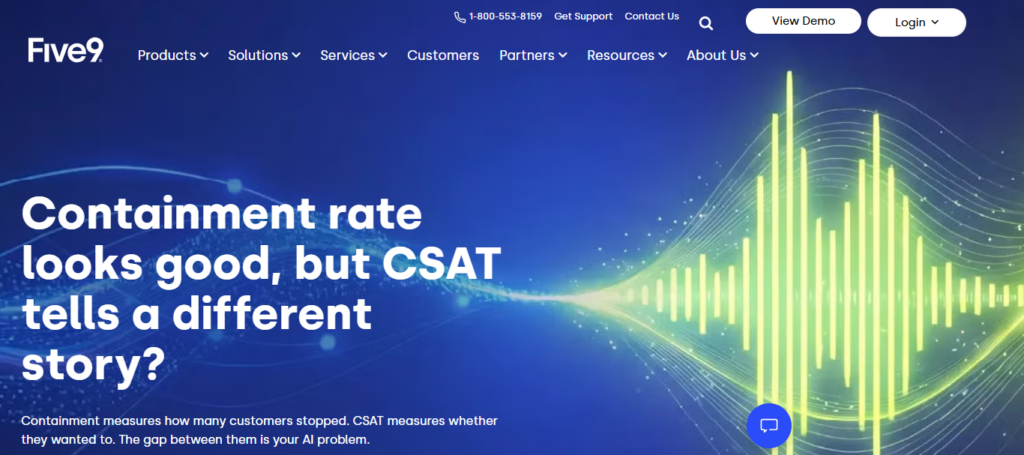
Without impacting the daily operations of an organization, the platform continuously assesses networks, cloud systems, and endpoint security. The analysis of attack paths helps security teams configure their mitigative efforts in the areas of security that pose the greatest risk to the organization.
Pentera – Pros & Cons
| Pros | Cons |
|---|---|
| Simulates real-world attacks safely without disrupting operations. | Higher implementation costs for small organizations. |
| Provides detailed attack path and exploit validation. | Requires skilled teams to maximize platform benefits. |
| Continuously validates existing security controls. | Setup can be complex in large environments. |
| Reduces false positives by proving exploitability. | Premium features may require additional licensing. |
4. Cymulate
Cymulate offers automated exposure assessment for organizations by providing a means to validate their protections against multi-vector attacks. The platform uses automated cyber attack simulations to appraise protections for email, web, cloud, and endpoint security.

Their simulations employ attack techniques and procedures used by advanced persistent threats, and provide valuable insight to organizations on their security posture and the gaps present before adversaries have the opportunity to exploit them.
Continuous assessment along with the dashboard view and guided remediation provided by Cymulate helps organizations improve their defensive posture and allows them to monitor their security posture at the same time.
Cymulate – Pros & Cons
| Pros | Cons |
|---|---|
| Covers multiple attack vectors and security layers. | Some advanced modules increase overall costs. |
| Excellent reporting and remediation recommendations. | Initial configuration may take considerable time. |
| Supports continuous exposure validation programs. | Can overwhelm small teams with extensive findings. |
| Strong integration with security operations platforms. | Limited manual penetration testing capabilities. |
5. Rapid7 InsightVM
The combination of vulnerability management and continuous risk assessment offered by Rapid7 InsightVM provides organizations with a unique tool.
The solution conducts continuous scans of infrastructure assets and assesses risk by contextualizing business impact and exposure to threat actors based on the exploitability of the vulnerability.
The Live Dashboard offers a view of the network and associated security risks in real time across the infrastructure.
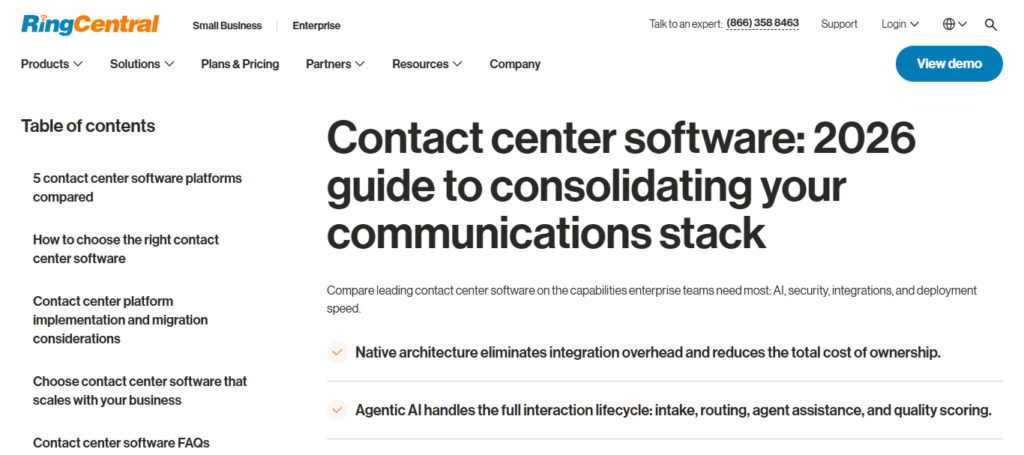
The solution integrates seamlessly with ticketing and patch management, and offers security teams the ability to improve the effectiveness of their operations and remediate risk in a timely manner through automated, smart integrations.
Rapid7 InsightVM – Pros & Cons
| Pros | Cons |
|---|---|
| Real-time dashboards improve vulnerability visibility. | Pricing structure can become expensive as assets grow. |
| Strong integrations with IT and ticketing systems. | User interface can be complex for beginners. |
| Risk-based vulnerability prioritization improves remediation efficiency. | Requires tuning to reduce unnecessary alerts. |
| Comprehensive asset discovery capabilities. | Full deployment may demand significant resources. |
6. NodeZero
NodeZero offers autonomous penetration testing capabilities to organizations. The platform continuously discovers and validates exploitable attack paths and provides remediation guidance at length.

Security teams can visualize the means by which critical assets are attacked from the outside and prioritize remediation accordingly.
NodeZero allows remediation of discovered vulnerabilities, and the security posture of the organization to be validated, making the platform capable of providing security validation that is both continuous and frequent.
NodeZero – Pros & Cons
| Pros | Cons |
|---|---|
| Fully autonomous penetration testing requires minimal intervention. | Advanced enterprise features may increase expenses. |
| Identifies actual attack paths and exploitable weaknesses. | Less suitable for highly customized testing requirements. |
| Automatically retests after remediation activities. | Learning curve for first-time users. |
| Generates detailed remediation recommendations quickly. | Limited support for certain legacy systems. |
7. vPenTest
Vonahi Security’s vPenTest tool automates the processes of penetration testing for both internal and external networks.
vPenTest uses the same methods that an actual penetration tester employs, then provides reports of the vulnerabilities it found, along with suggested fixes for those vulnerabilities.

vPenTest helps provide penetration testing solutions to many small and medium sized businesses by significantly lowering the costs and the challenges of conducting security assessments.
vPenTest also helps businesses that need help with the deployment of a solution and provides compliance-based reports to help those businesses with security audits and assessments.
vPenTest – Pros & Cons
| Pros | Cons |
|---|---|
| Affordable option for small and medium businesses. | Focuses mainly on network penetration testing. |
| Generates compliance-friendly penetration testing reports. | Fewer integrations compared to enterprise competitors. |
| Simple deployment and automated assessments. | Limited cloud-native security capabilities. |
| Emulates methodologies used by human penetration testers. | Reporting customization options are somewhat basic. |
8. Horizon3.ai
Since security testing is an essential part of enterprise operational integrity, Horizon3.ai applies the principles of artificial intelligence and autonomous testing to analyze the security stature and pinpoint operational weaknesses of enterprises.
To depict how an attacker can exploit the weaknesses in an enterprise system to gain access to sensitive systems, the platform outlines the paths to attack.
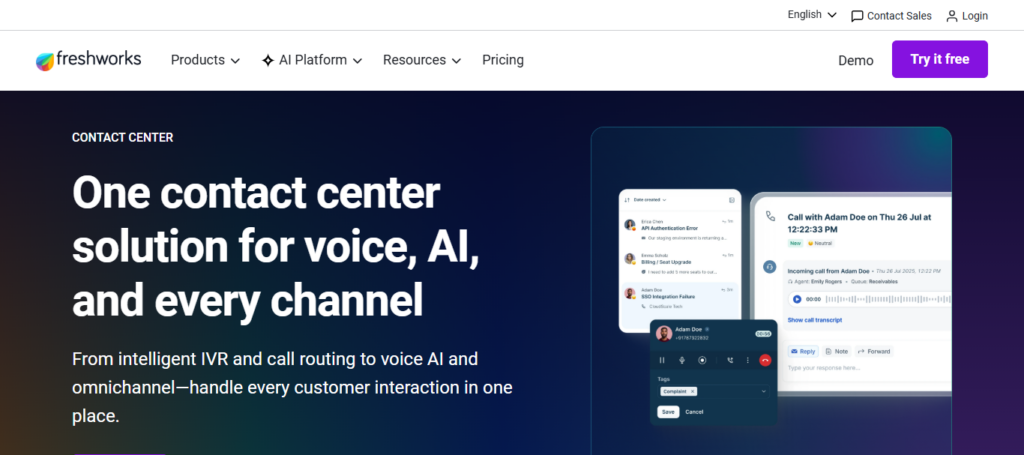
Using the artificial intelligence model, the tool captures and represents operational security breaches that outdated security testing scanners typically skip.
In the field of enterprise operational infrastructure security, Horizon3.ai is teaming up with enterprises to tackle security concerns in an effective and efficient manner.
Horizon3.ai – Pros & Cons
| Pros | Cons |
|---|---|
| AI-driven testing identifies hidden security weaknesses. | Pricing may be high for smaller organizations. |
| Continuously validates infrastructure security posture. | Advanced configurations require cybersecurity expertise. |
| Demonstrates realistic attacker behavior and attack chains. | Not all niche technologies are fully supported. |
| Fast deployment with actionable remediation guidance. | Some features may require additional training. |
9. BreachLock
With its Penetration Testing as a Service (PTaaS) model, BreachLock provides a unique combination of automated penetration testing and certified security validation. Continuous vulnerability scanning and penetration testing on an enterprise-wide scale are integral components of its service.
BreachLock’s tool unifies visibility through centralized dashboards and supports remediation and evidence collection for compliance with PCI DSS, ISO 27001, and other standards.
BreachLock uses a hybrid model and combines automation and efficient penetration testing to deliver superior and validated security assessments for enterprise infrastructure.
BreachLock – Pros & Cons
| Pros | Cons |
|---|---|
| Combines automation with expert human validation. | Managed services can increase total costs. |
| Strong compliance reporting for regulatory requirements. | Some assessments depend on scheduling availability. |
| Centralized dashboard simplifies vulnerability management. | Less flexibility than fully self-managed platforms. |
| Supports Penetration Testing as a Service model. | Advanced customization options are limited. |
10 Probely
Probely claims to provide continuous security testing for web applications and infrastructure. They automate vulnerability scanning. Findings come with instructions for developers on how to fix them.
Their tool is API driven and fits easily into CI/CD development cycles. It is meant to help teams identify and address security concerns through the use of Probely’s easy to understand reports.
Probely – Pros & Cons
| Pros | Cons |
|---|---|
| Developer-friendly interface with clear remediation guidance. | Primarily focused on web application security. |
| Excellent API integration with CI/CD pipelines. | Limited advanced attack simulation capabilities. |
| Easy setup and continuous automated scanning. | Enterprise reporting features could be improved. |
| Suitable for DevSecOps and agile development teams. | Less comprehensive for large hybrid infrastructures. |
Conclusion
In conclusion, Intruder, Pentera, NodeZero, and Horizon3.ai focus on proactive vulnerability identification and simulation of real-world attacks. Intruder, Pentera, NodeZero, and Horizon3.ai focus on proactive vulnerability identification and real-world attack simulation to enhance cyber resilience.
It is dependent on your organization’s infrastructure, budget, and security needs to select the best continuous automated penetration testing software. To defend against continually developing threats, businesses must prioritize security and remediation of identified vulnerabilities.
While continuous security testing strengthen and secure the business infrastructure against vulnerabilities, it also allow the enterprise to identify weakness and prioritize remediation of those security weakness.
FAQ
What is continuous automated penetration testing software?
It is a security tool that continuously scans and tests infrastructure for exploitable vulnerabilities without requiring manual penetration testing.
Why is continuous penetration testing important for businesses?
It helps organizations identify security weaknesses early and reduce the risk of cyberattacks and data breaches.
How is automated penetration testing different from vulnerability scanning?
Vulnerability scanning identifies weaknesses, while automated penetration testing attempts to exploit them to validate actual risks.
Which industries benefit most from automated penetration testing tools?
Banking, healthcare, e-commerce, government, and technology companies benefit significantly from continuous security testing.