

In this article, I will address the Steps to Safeguarding Your Crypto Portfolio from AI-Driven Phishing. Scams are becoming more prevalent in the digital asset world, especially with the use of AI. Safeguarding your investments will require more advanced tactics.
The use of hardware wallets and phishing simulators are just two of the many tactics available to you. With the right tools, you can protect your portfolio from evolving cyber threats.
Key Points & Steps To Secure Your Crypto Portfolio Against AI-Driven Phishing
| Step | Description |
|---|---|
| Enable hardware wallets | Store crypto offline in hardware wallets to reduce exposure to phishing attempts. |
| Use multi-factor authentication | Add an extra layer of security beyond passwords, such as authenticator apps or biometrics. |
| Verify URLs manually | Always type exchange or wallet addresses directly instead of clicking links in emails/messages. |
| Beware of deepfake scams | AI can mimic voices or faces; confirm identities through secondary channels before acting. |
| Regularly update software | Keep wallets, browsers, and antivirus tools updated to patch vulnerabilities exploited by AI-driven phishing. |
| Educate yourself on phishing tactics | Learn how AI manipulates language and context to craft convincing phishing messages. |
| Segment your holdings | Spread assets across multiple wallets/exchanges to minimize risk if one is compromised. |
| Monitor transaction alerts | Enable notifications for all crypto activity to quickly detect unauthorized access. |
| Avoid public Wi-Fi for transactions | Use secure, private networks to prevent interception of sensitive data. |
| Test with phishing simulators | Practice spotting phishing attempts using training tools to strengthen awareness. |
10 Steps To Secure Your Crypto Portfolio Against AI-Driven Phishing
1. Enable hardware wallets
Hardware wallets are a type of digital wallets that keep your private keys offline in order to remain protected from digital phishing scams. Since they are not connected to the internet at all, they are a much safer option than software wallets.
Even if a hacker attempts to lure you into a phishing scam by giving you a link to click, your crypto will remain safe and sound. They provide another layer of protection by asking for manual approval to complete transactions.
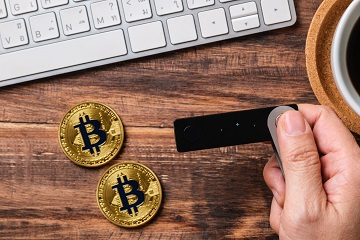
Online phishing scams target online wallets and exchanges, and with hardware wallets, your private keys are not exposed, making the risk much less. If you want to keep your crypto safe, investing in a hardware wallet like Ledger or Trezor is a good choice.
Enable Hardware Wallets
- Offline storage: Keeps private keys disconnected from the internet, reducing phishing exposure.
- Manual confirmation: Requires physical approval for transactions, preventing unauthorized transfers.
- Tamper resistance: Built with secure chips to protect against malware and hacking attempts.
- Trusted brands: Devices like Ledger or Trezor provide industry-standard protection.
2. Use multi-factor authentication
Multi-factor authentication (MFA) is a security protocol that goes beyond a simple username and password. Even if a phishing attack manages to acquire your login information, they would not be able to get into your account with out the second factor, which could be an authenticator app, a biometric scan, or a hardware token.
Phishing campaigns leverage weak or reused passwords. MFA is meant to stop unauthorized access. Don’t use SMS codes, as they can be intercepted.
Instead, use time-based authenticator apps or hardware. By needing more than one proof of identity, you drastically reduces the chance of losing your cryptocurrency with smart phishing attacks.
Use Multi-Factor Authentication
- Extra security layer: Adds protection beyond passwords.
- Authenticator apps: Time-based codes are safer than SMS.
- Hardware tokens: Physical devices provide strong identity verification.
- Biometric options: Fingerprint or facial recognition adds convenience and security.
3. Verify URLs manually
Phishing scams frequently use imitation websites that look like real crypto exchanges or wallets. Phishing scams that use AI can create fake emails and websites to trick people into clicking on damaging links.
To avoid this issue, always use your browser to go directly to your cryptocurrency exchange site rather than clicking on links in emails or messages.
Bookmark your trusted sites, and look closely for tiny spelling mistakes and odd endings on the website. AI phishing scams can even change search results, so always check things for yourself. If you get into this productive habit, you will only use real sites and protect your assets from sites that try to steal your passwords.
Verify URLs Manually
- Direct entry: Type website addresses instead of clicking links.
- Bookmark trusted sites: Prevents accidental visits to fake domains.
- Check spelling: Look for subtle misspellings or unusual extensions.
- Avoid search results traps: AI phishing can manipulate search listings.
4. Beware of deepfake scams
Advanced AI can produce deepfake videos or audio messages that appear to feature people you trust, like representatives from your exchange or influencers. These scams can ask you to send money or divulge confidential information. To protect yourself, never follow the instructions from any unsolicited calls, videos, or messages without verification.

You can verify people via official channels like social media accounts that have a verification tick or customer support. Deepfakes prey on trust, and exercising skepticism and doing some verification can save you from mistakes. Being aware that AI can convincingly replicate people’s voices and faces is essential to staying alert to the new phishing threats.
Beware of Deepfake Scams Features
- Voice impersonation: AI can mimic trusted voices to trick users.
- Video manipulation: Fake visuals may urge fraudulent actions.
- Cross-verification: Confirm identities through official channels.
- Skepticism mindset: Treat unsolicited instructions with caution.
5. Regularly update software
Attackers that use phishing scams take advantage of vulnerabilities linked with outdated software. Phishing scams powered by artificial intelligence (AI) can target users with outdated browsers, wallets, or operating systems.
Regular software updates close these vulnerabilities and make it harder for scammers to break into your systems. Crypto wallets, antivirus software, and browsers can all be updated to close vulnerabilities.
Turn on auto updates to reduce your exposure. Keeping your software updated lowers the chances that malware or phishing scripts will go undetected. Regularly updating your software adds protection to your investments and prevents scams from getting around your defenses.
Regularly Update Software Features
- Patch vulnerabilities: Updates fix security flaws exploited by phishing.
- Wallet updates: Keep crypto apps current for maximum protection.
- Browser security: Updated browsers block malicious scripts.
- Automatic updates: Enable to reduce human error.
6. Educate yourself on phishing tactics
Phishing usually works because of the ignorance of the victim. Scammers use the latest AI technologies to create emails that look like they come from someone they actually do business with.
If the victim’s trusting nature can be combined with the scammer’s urgency to be the first to click, or with the promise of a lure to click, the scam works. If in doubt, do not click. Instead, check the address, read emails, or go to the company’s website to find suspicious or fraudulent emails.

An investment in understanding will pay the best dividends. And the best answer and best protection will always be knowledge. Crypto is especially targeted because of how decentralized the currency is, leaving it very exposed to any threat. Staying educated protects your investment.
Educate Yourself on Phishing Tactics Features
- Recognize red flags: Learn signs like urgency or rewards.
- Stay informed: Follow cybersecurity news and phishing trends.
- Training programs: Participate in awareness courses.
- Psychological defense: Understand manipulation tactics to resist scams.
7. Segment your holdings
Storing all of your crypto on one wallet or exchange means even greater risk. If a phishing attack hits that one compromised account, it caps your entire crypto investment. Instead, diversify your crypto savings into several wallets – hardware, software, and custodial.
If you have a long-term investment, for instance, you can put that in a hardware wallet. For more flexible investing that allows quicker trades, you can use hot wallets. This allows you to limit your losses and makes sure you have backup systems.
Since targeted phishing attacks go for centralized exchanges, spreading assets is a smart way to minimize risk. Additionally, creating layers of defense is a smart way to minimize the consequences of a successful phishing attack.
Segment Your Holdings Features
- Diversification: Spread assets across multiple wallets.
- Cold vs hot wallets: Use hardware for storage, software for trading.
- Risk reduction: Limits losses if one wallet is compromised.
- Redundancy: Ensures backup access to funds.
8. Monitor transaction alerts
Notifications can allow you to respond to suspicious activity quickly. If you can set up alerts for all your crypto activity, including transactions, many exchanges and wallets give you notification options for SMS, email, and apps.
If your crypto wallet transactions get an AI phishing attack and withdraw funds scam, you will find out quickly because alerts can identify this type of attack.
If you get alerts about transactions you did not authorize, you need to freeze your accounts and reach out to support to get more active monitoring options. Keeping alerts active do more to keep phishing scams at bay.
Monitor Transaction Alerts Features
- Real-time notifications: Get instant updates on account activity.
- Unauthorized detection: Spot suspicious withdrawals quickly.
- Immediate response: Freeze accounts or contact support fast.
- Peace of mind: Stay aware of portfolio movements.
9. Avoid public Wi-Fi for transactions
Public Wi-Fi networks are especially unsaf, making them perfect for phishing and man-in-the-middle attacks. AI phishing tools can exploit these types of networks to capture your credentials and reroute you to malicious websites.
Use a private and secure internet connection when using your crypto accounts. If you need to connect when you are away, you can use a reliable VPN to secure your encrypted traffic.
Avoid sensitive transactions in airports, hotels, and cafes. By avoiding public Wi-Fi, you eliminate a major risk that phishing attacks can exploit which keeps your portfolio safe from intruders.
Avoid Public Wi-Fi for Transactions Features
- Network insecurity: Public Wi-Fi is vulnerable to interception.
- Man-in-the-middle risk: Hackers can redirect traffic to fake sites.
- VPN protection: Encrypts traffic when using public networks.
- Private connections: Always prefer secure home or mobile networks.
10. Test with phishing simulators
Phishing simulators are training tools which help users identify scams by immitating real phishing attempts as a safe training environment. These simulations help develop training gaps and teach users effective responses. Because phishing that utilizes A.I.
Evolves constantly, regular testing ensures users are not dull to new tactics. Numerous cybersecurity platforms provide phishing simulations catered to crypto users.
Simply by using these tools, users enhance their promoitered skill to identify red flags. Proactive testing prepares users for real world attacks which arms phishing simulators as a crucial frontline defense to protect their portfolios.
Test with Phishing Simulators Features
- Safe practice: Simulates phishing attempts without real risk.
- Awareness training: Improves ability to spot scams.
- Adaptive learning: Keeps users sharp against evolving tactics.
- Crypto-specific tools: Tailored simulations for digital asset security.
Conclsuion
In cocnsluion Defending your crypto portfolio from AI-driven phishing is a continual process. It involves vigilance and defensive strategies. Using hardware wallets, multi-factor authentication, and safe browsing will minimize your risk.
Updating your wallets, training your staff, and phishing awareness retrospectives will bolster your defenses. Preparedness and alertness to deepfakes, along with simulator testing, will keep your digital assets safe in an adaptive threat environment.
FAQ
Why should I use a hardware wallet?
It keeps your private keys offline, safe from phishing attacks.
Is multi-factor authentication really necessary?
Yes, it adds an extra layer of protection beyond passwords.
How do I verify URLs safely?
Type them manually or use bookmarks instead of clicking links.
What are deepfake scams in crypto?
AI-generated voices or videos impersonating trusted figures to trick you.